
Upgrading your trading account type unlocks access to advanced tools, greater capital flexibility, and enhanced trading conditions—essential elements for traders aiming to elevate their performance. In 2025, navigating this transition requires understanding both the structural options offered by top brokers and the strategic considerations behind scaling trading accounts effectively. From Interactive Brokers’ tiered margin upgrades to eToro’s social trading advantages, brokers tailor account types to fit evolving trader needs. The underlying goal remains constant: to empower traders to manage larger capital responsibly while maintaining disciplined risk management and consistent profitability.
In brief: Upgrading a trading account enables access to margin trading, enhanced leverage, and advanced trading tools. Successfully scaling an account depends on disciplined risk management and meeting specific performance milestones. Different brokers, including well-known names like TD Ameritrade, Saxo Bank, and Charles Schwab, offer diversified account types and upgrade paths designed to match traders’ evolving skills and goals. Transparency in the upgrade process, realistic profit targets, and structured scaling plans underpin sustainable account growth and long-term trading success.
Understanding Account Types and Upgrade Options Among Leading Brokers
Trading platforms such as Interactive Brokers, TD Ameritrade, and Saxo Bank provide a variety of account types tailored to different trader profiles. Typically, traders start with a basic cash account, which allows only settlement of cleared funds; upgrading to a margin account introduces the ability to leverage borrowed funds, significantly expanding trading opportunities. For example, Interactive Brokers permits clients to upgrade from cash to margin accounts through their configuration panel by meeting minimum equity and regulatory requirements. Similarly, Charles Schwab and IG Markets offer margin accounts with access to more sophisticated market tools and enhanced execution speeds.
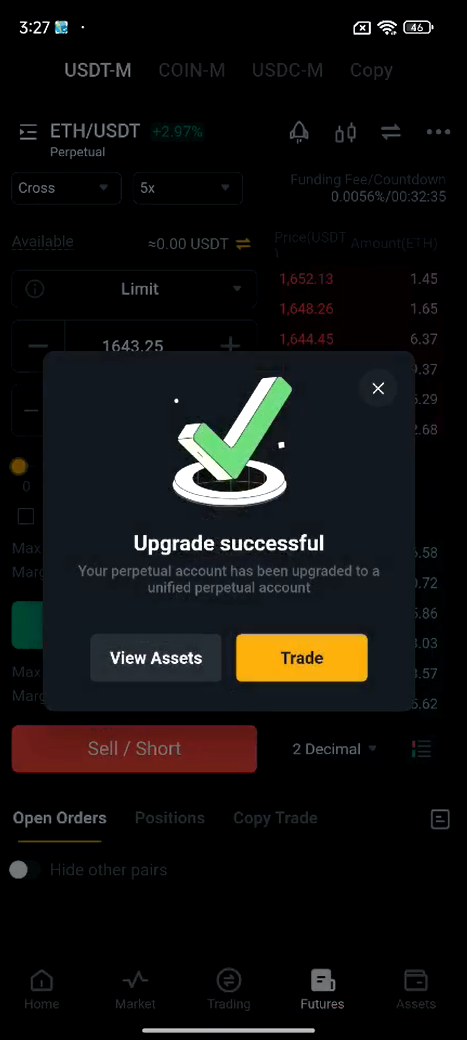
For traders exploring even more advanced strategies, portfolio margin accounts provide substantially higher leverage based on overall portfolio risk rather than individual positions. These accounts, often requiring a net liquidation value exceeding USD 110,000, enable experienced professionals to optimize capital efficiency. While the upgrade path can involve regulatory approvals and disclosures, brokers like Robinhood and Plus500 have streamlined aspects of account modification to accommodate growing trader demands.
How Account Upgrades Impact Trading Performance and Risk Management
Upgrading your account type is not a mere formality—it fundamentally alters risk exposure and capital management. Margin accounts introduce leverage, magnifying both potential gains and losses. This shift necessitates rigorous risk control frameworks to prevent rapid drawdowns that can jeopardize trading capital. Successful traders often adhere to strict rules, risking a fixed percentage, typically between 0.5% and 1%, of their account balance per trade regardless of account size. This disciplined approach signals to brokers that traders can responsibly handle greater capital, qualifying them for further upgrades.
The transition from cash to margin also unlocks the possibility to participate in short selling, options trading, and other sophisticated strategies unavailable in basic accounts. Saxo Bank and Fidelity Investments, for instance, provide multi-asset capabilities once upgraded, increasing portfolio diversification and hedging options. Managing margin calls and maintenance requirements requires a deep understanding of brokerage policies, making education and experience critical before undertaking an upgrade.
Scaling Trading Accounts Through Prop Firm Models and Strategic Growth
Beyond standard brokerage upgrades, prop firm scaling plans offer structured avenues for traders to grow funded accounts progressively. These scaling frameworks reward consistent profitability with increased capital allocations, transforming initial funded accounts into substantial portfolios. The essence of these plans, prevalent among innovative firms, lies in combining performance milestones—such as achieving net profits between 5% and 15% over review periods—with strict adherence to risk limits.
By meeting these targets, traders unlock incremental increases often ranging from 25% to 40% of their account balance. This process ensures that growth is sustainable and builds a trader’s confidence without exposing either party to undue risk. Notably, firms leveraging AI and real-time analytics have begun refining scaling processes, enabling performance evaluations and corresponding account upgrades to happen with minimal delays.
Preparing for and Navigating the Upgrade Process
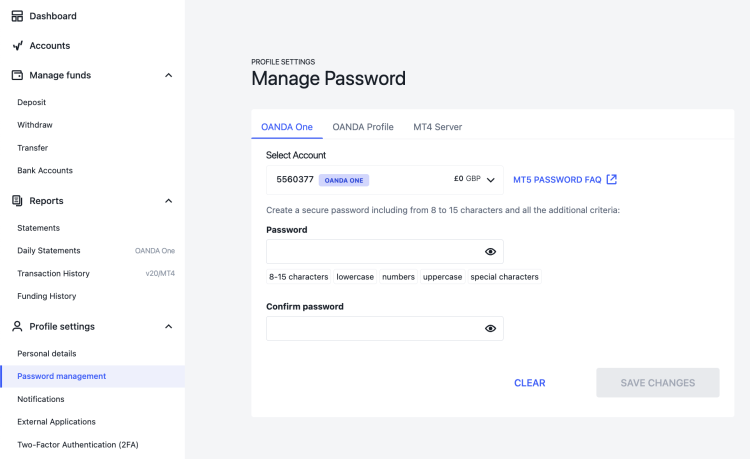
Regardless of whether you choose to upgrade via a traditional broker like Fidelity Investments or engage with a prop firm scaling plan, preparation is paramount. The configuration panels on platforms allow traders to modify account aliases for easier management, transfer assets between linked accounts, and adjust commission plans. Understanding how to handle excess funds, register beneficiaries, or manage administrators also ensures smooth account operations post-upgrade.
Emerging platforms stress transparency and realistic expectations; for instance, carefully reviewing drawdown limits and payout frequencies helps traders avoid common pitfalls such as overleveraging or inconsistent trade execution. Leveraging resources on platform security and fund protection enhances trader confidence, especially when transitioning to margin or portfolio margin accounts. Continuous education through broker-provided tools remains one of the best investments traders can make to meet upgrade qualifications and trade confidently.
Choosing a Broker and Account Type That Align With Your Growth Objectives
Selecting the right broker and account type is a strategic decision impacting long-term trading success. Platforms such as eToro and CMC Markets emphasize community-driven functionalities with their social and copy trading features, making them attractive for traders eager to learn and grow. Others, like TD Ameritrade, focus on robust educational content and advanced technical tools aligned with professional-grade accounts.
Exploring brokers that offer commission-free trading options, a growing trend led by firms like Robinhood, can also maximize profitability, especially for frequent traders who rely on tight spreads and low transaction costs. For newcomers considering a cautious start, micro accounts provide a low-risk environment to build experience gradually before moving to margin-based accounts. Resources to find trusted broker platforms and micro account features help traders tailor their journeys effectively.
Integrating these considerations ensures that when upgrading your trading account type, both the tools and the brokerage support match evolving skills and ambitions, setting the stage for sustained growth and profitability.
