
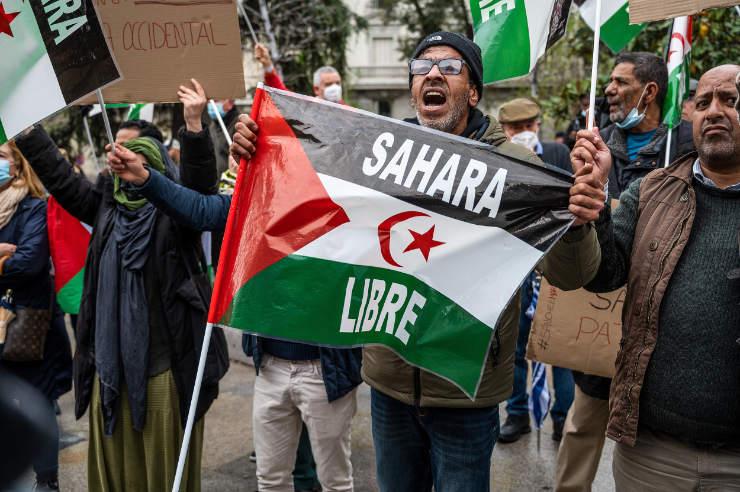
The discreet diplomatic maneuvering that unfolded at the U.S. Embassy in Madrid on February 8 and 9 has marked a pivotal moment in the long-standing Western Sahara dispute. Under the vigilant guidance of Massad Boulos, the special envoy for Africa appointed by former President Donald Trump, and Michael Waltz, the American ambassador to the United Nations, tactical discussions convened in a highly confidential setting, underscoring the United States’ strategic role in revitalizing peace talks. Despite the near silence from official channels, the negotiations signal a fresh chapter characterized by the Moroccan proposal for enhanced autonomy as the foundation for ongoing dialogue. While the delegations were strictly limited to three members each, the warmth of international focus hints at a broader agenda that transcends the restricted room where these discussions unfolded.
Engagements arranged by Washington in Madrid reflect a pronounced shift in the art of political mediation regarding the Sahara conflict. The complexities inherent to the Western Sahara dispute, compounded by historic grievances and geopolitical stakes, render the negotiation process both delicate and essential. Washington’s helm in this venture not only signals its renewed commitment to international relations but also highlights the intricate interplay between conflict resolution and diplomacy that defines the Sahara peace talks. By leveraging Madrid as the venue, the United States situates itself as an indispensable broker, setting the diplomatic tempo for a resolution that has eluded global actors for decades.
Seen through the prism of international relations, this initiative aligns closely with the United Nations Security Council Resolution 2797, which frames Morocco’s autonomy plan as a viable pathway toward peace. This emerging momentum, orchestrated under the cloak of strict confidentiality, underscores both the sensitivity of the stakes involved and the urgency with which Washington approaches this confrontation. The ongoing commitment to these discussions in the coming months presages a continuous, if tenuous, advancement toward stabilizing one of the most enduring territorial disputes in modern geopolitics.
- Washington’s leadership in Madrid marks a decisive turn in Western Sahara negotiations.
- Morocco’s autonomy plan serves as the linchpin for renewed dialogue under U.S. mediation.
- Confidential discussions reflect high political stakes and sensitive diplomatic balances.
- Future talks promised, highlighting sustained commitment to conflict resolution.
Washington’s Strategic Role in Shaping Western Sahara Peace Talks in Madrid
The United States’ orchestration of the Madrid talks casts a spotlight on its escalating influence in resolving the Western Sahara dispute. By convening representatives from Morocco, Algeria, the Polisario Front, and Mauritania under one roof, Washington effectively serves as the political clockmaster, setting a deliberate pace designed to break decades of diplomatic stalemate. This role goes beyond mere facilitation; it reflects a renewed American doctrine which prioritizes pragmatic engagement with North African issues, leveraging diplomacy to curtail regional instability. The narrow delegation size—a maximum of three per party—not only indicates a tightly controlled negotiation environment but reveals a strategic focus on depth over breadth, allowing for concentrated dialogue that sidesteps public grandstanding and stalls.
Such a controlled diplomatic environment illustrates the shift from symbolic rhetoric to actionable peacebuilding measures. The United States’ position intertwines diplomatic finesse with geopolitical strategy, pursuing a resolution that balances Moroccan sovereignty claims with the Polisario Front’s aspirations, while also engaging Algeria and Mauritania in the delicate orchestration. This diplomatic intercession rests on the premise that Washington’s ability to set the pace translates directly into political leverage, shaping not only the talks’ substance but also the trajectory towards stability in the Saharan region. It is a clear manifestation of U.S. commitment to direct dialogue and practical solutions within the framework of international diplomacy.
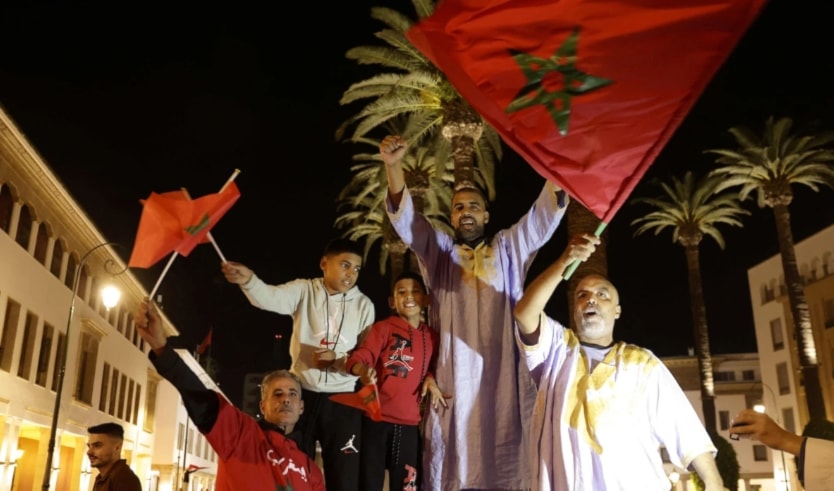
Diplomacy Under the Radar: The Confidential Nature of the Madrid Negotiations
Maintaining absolute confidentiality through these sessions speaks volumes about the sensitivity permeating the Western Sahara dispute. The discreet nature of the talks, mandated by envoy Massad Boulos, reflects the intricate challenges inherent in balancing national pride, regional alliances, and international legal frameworks. The enigmatic silence from official channels is a strategic choice designed to shield the progress from external pressures and potential sabotage by hardliners on any side. This secrecy is emblematic of diplomacy’s more guarded and precise face, where the risks of public exposure could derail fragile negotiation processes.
On the other hand, the closed-door approach allows participants to candidly assess contentious issues such as sovereignty, resource control, and human rights without the constraints of public posturing. Each dialogue, measured and deliberate, contributes to building a foundation for more transparent future talks that could inspire broader international support. While the world watches with bated breath, it is in these quiet chambers that the architecture of potential peace is being painstakingly drafted, illustrating the high stakes and complex dynamics shadowing the Western Sahara dispute.
Morocco’s Autonomy Plan: A Cornerstone for Negotiations in Western Sahara Peace Facilitation
Morocco’s presentation of a detailed autonomy plan during the Madrid talks has injected new vigor into the otherwise stalled peace process. This initiative, recognized by the United Nations Security Council resolution framework, proposes significant self-governance rights while affirming Moroccan sovereignty, thereby offering a pragmatic compromise. It is a strategic blueprint that acknowledges the socio-political aspirations of Western Sahara’s inhabitants within a structured framework designed to temper separatist claims and foster regional stability.
The adoption of this plan as the basis for ongoing negotiations marks an evolution from earlier rigid positions towards a more flexible, solution-oriented approach. It also illustrates Washington’s diplomatic acumen in shaping the framework around a viable peace proposal that maintains international legal coherence while addressing local realities. For Morocco, this plan serves as a diplomatic lever to secure regional and international legitimacy, laying claim to sovereignty through diplomatic channels rather than conflict.
