

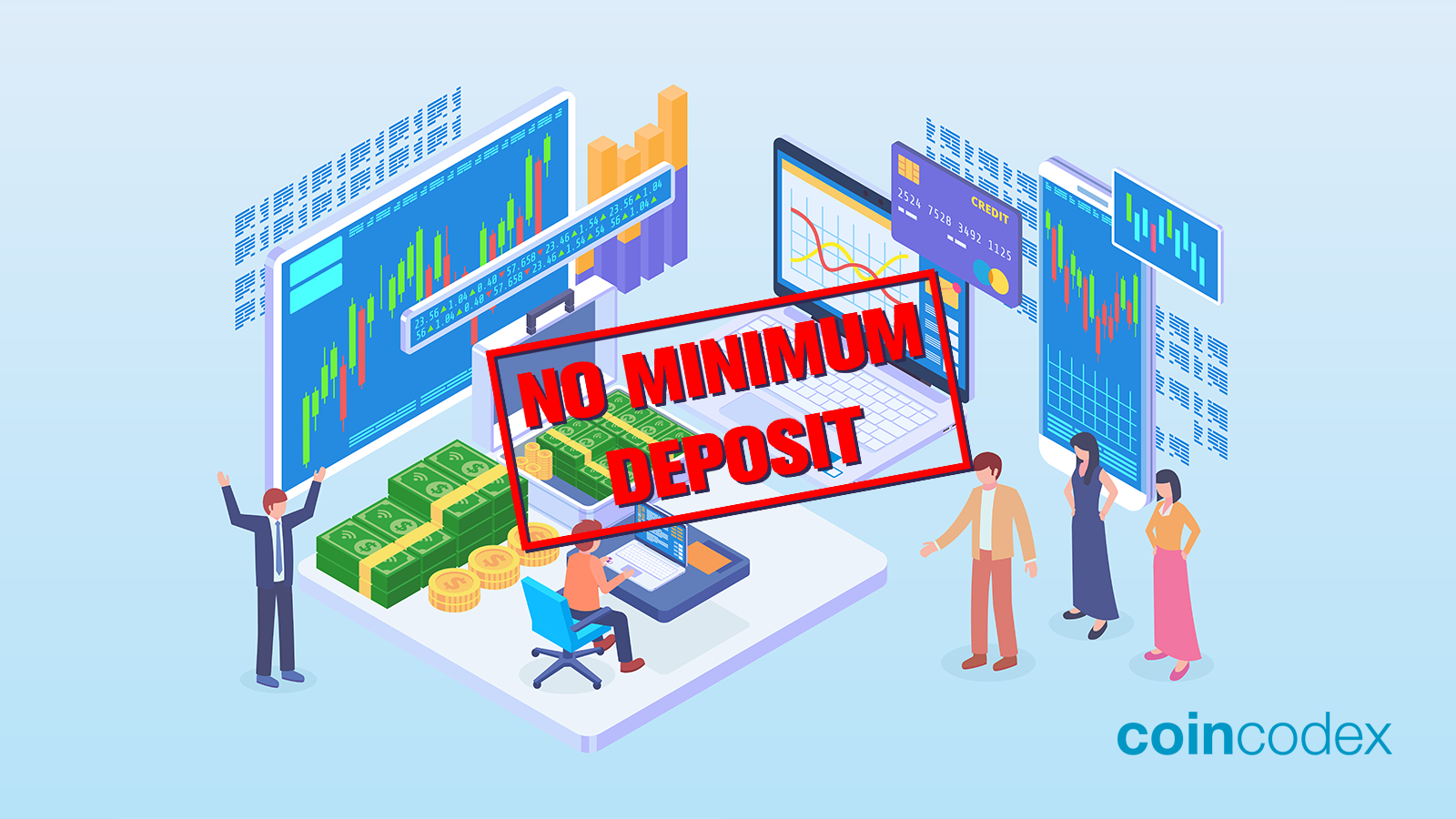
Exploring the financial trading landscape in 2025 reveals a compelling trend: the rise of brokers who eliminate the barrier of minimum deposits, democratizing access to markets for a broader spectrum of investors. This shift caters particularly to novices and cautious traders, allowing them to engage without significant capital outlay. In an industry traditionally imposing hefty entry thresholds, such brokers serve as pivotal gateways, offering platforms where sophistication meets accessibility. Names like eToro, Robinhood, and Interactive Brokers dominate this space, combining user-friendly interfaces with robust regulatory frameworks.
However, the absence of a minimum deposit does not equate to a compromise in trading quality or security. Rather, it challenges brokers to deliver transparent fee structures, competitive spreads, and extensive educational resources to support informed trading decisions. Platforms have evolved, integrating cutting-edge technology that ensures fast order execution and mobile-friendly applications, empowering traders to operate seamlessly across devices. As the market expands, discerning investors balance the allure of low entry costs with the necessity for reliability, regulation, and comprehensive service offerings.
In brief:
- Brokers with no minimum deposit lower the barrier to entry, ideal for beginners and budget-conscious traders.
- Top platforms like eToro and Robinhood combine accessibility with strong regulatory compliance and fee transparency.
- Modern brokers offer sophisticated, mobile-optimized platforms with rapid order execution capabilities.
- Despite zero deposit requirements, traders should prioritize brokers offering educational tools and clear fee structures.
- The competitive landscape includes brokers facilitating diverse asset classes, from stocks to cryptocurrencies and CFDs.
Unpacking the Value of No Minimum Deposit Brokers in 2025
Within today’s trading arena, brokers requiring no minimum deposit present a unique proposition — they allow traders to immerse themselves in live markets without upfront financial obstacles. This accessibility mirrors a broader technological and regulatory evolution aimed at democratizing trading. Giants such as Interactive Brokers and Charles Schwab cater to this demand by combining their extensive market reach with strict compliance to renowned regulatory bodies, safeguarding trader assets.
Contrastingly, brokers like Robinhood and eToro emphasize commission-free trading alongside their no minimum deposit policies, making them particularly attractive to casual investors and newcomers. These firms often supplement their offerings with intuitive user interfaces and comprehensive educational materials, easing the learning curve for those initiating their trading journey.
Key Advantages Beyond Zero Minimum Deposits
While lower entry capital is a significant draw, it is by no means the lone advantage. Trading platforms that waive deposit minima often enhance their appeal by providing:
- Advanced tools for portfolio and risk management, essential for navigating volatile markets.
- Access to a wide array of instruments from stocks and ETFs to forex and cryptocurrencies, facilitating diversified investment strategies.
- Robust platforms optimized for mobile devices, allowing traders to capitalize on real-time market movements anytime, anywhere, as highlighted in mobile trading resources.
This multi-dimensional approach positions no minimum deposit brokers not just as entry points, but as comprehensive trading ecosystems suited for various expertise levels.
Critical Considerations When Choosing a Broker With No Minimum Deposit
Despite the clear benefits, not every broker with zero deposit requirements offers equal value. Traders must exercise due diligence, evaluating factors such as regulatory oversight, fee transparency, and platform performance. For instance, tight spreads and transparent fee structures are vital to ensure that trading costs do not erode profits, especially for those starting with limited capital.
Furthermore, the presence of regulatory compliance with authorities like the SEC, FCA, or ASIC serves as a cornerstone of trust. Brokers like Fidelity and TD Ameritrade exemplify this, merging oversight with flexible account options suitable for small-scale investors. Such controls offer protections including negative balance safeguards, which are crucial when leveraging no minimum deposit accounts.

Risk Management and Education: Cornerstones for Beginner Success
Comprehensive educational resources and risk management tools form the bedrock for successful trading ventures under no minimum deposit conditions. Platforms embracing these elements significantly enhance user confidence and competence. Examples include interactive tutorials, demo accounts, and market analysis tools, which collectively empower traders to refine strategies without immediate financial exposure.
Such supportive environments can be the deciding factor in a trader’s ability to limit overleveraging, a common pitfall for those trading with small amounts. Visitors seeking guidance often benefit from broker insights on risk parameters, helping avoid the emotional and financial drawbacks associated with undercapitalized trading.
Emerging Trends and Future Outlook
Looking forward, brokers with no minimum deposit requirements are poised to integrate more artificial intelligence-driven analytics and personalized trading assistance. These advancements promise to further lower educational barriers, allowing traders of all skill levels to refine their tactics with data-driven insights. The integration of social trading features, such as copy trading available on platforms like Plus500 and Ally Invest, further augments the appeal of these brokers by offering community-driven investment strategies.
Nonetheless, traders must remain vigilant regarding common pitfalls, including hidden fees and platform limitations, discussed extensively in sector analyses like broker pitfalls guidance. Balancing the appeal of no initial deposit with comprehensive due diligence will continue to be the key to unlocking the full potential of these innovative trading solutions.
