
In the dynamic landscape of contemporary trading platforms, understanding the intricacies of order execution types is fundamental for traders seeking to optimize their strategies. The ability to navigate through market orders, limit orders, and conditional orders does not merely enhance operational efficiency; it provides critical provisions for managing risk and capitalizing on market movements effectively. As platforms like MetaTrader, NinjaTrader, and Interactive Brokers continue to innovate, traders now demand instantaneous, reliable execution paired with transparent processes that ensure they are always a step ahead.
Every trade’s success hinges upon grasping how orders are executed—from the moment they are placed to their final settlement in the market. Each order type offers distinct advantages and potential pitfalls, shaping not just the timing of the trade, but the execution price and even the likelihood of completion. In 2025, trading environments have evolved to include sophisticated options such as Fill or Kill (FOK) and Immediate or Cancel (IOC), which cater to the nuanced needs of price-sensitive and fast-paced traders.
Exploring the Spectrum of Order Execution Types on Leading Trading Platforms
The core of effective trading lies in the mastery of order execution types, each designed to fulfill specific trader objectives. Market orders command immediate execution at the best available price, serving those who prioritize speed. However, they do so without guaranteeing price, which might lead to slippage especially in volatile markets. Conversely, limit orders offer precision by executing at a specified price or better but carry the risk of non-fulfillment if the market price never aligns.
Platforms such as MetaTrader and Interactive Brokers are designed to provide this balance between rapid execution and price control, accommodating traders with divergent priorities. Additionally, advanced execution instructions like Fill or Kill (FOK), which demands immediate and complete order execution or total cancellation, grant traders a powerful tool to avoid partial fills that could disrupt strategic positioning.

Market Orders Versus Limit Orders: Deciding between Speed and Price Control
Understanding when to employ a market order versus a limit order can affect both trade success and capital preservation. Market orders excel in scenarios where the immediacy of execution outweighs price concerns—for example, when reacting swiftly to breaking news or sudden market shifts. This immediacy comes at the cost of potential slippage, particularly noticeable on less liquid platforms such as Robinhood or less established brokers.
Limit orders, favored on platforms like MetaTrader and Saxo Bank, afford traders the discipline to enter or exit positions at predefined price points. However, the risk remains that such orders might not execute if the market price does not reach the desired level, leaving the trader exposed to continued market volatility. The nuanced use of limit orders in combination with conditional types can offer a sophisticated approach to controlling risk.
Conditional Orders and Their Strategic Impact on Trade Management
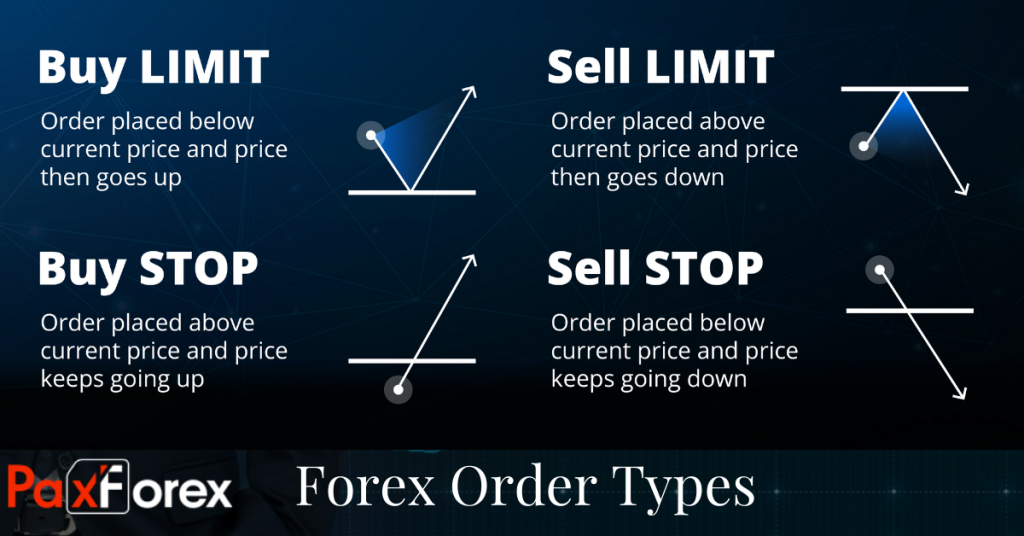
Conditional orders, including stop orders and stop-limit orders, have emerged as pivotal instruments for managing risk and confirming market trends. Unlike market and limit orders, these are triggered only when specified price levels are reached, introducing a conditional layer that aligns trading action with market momentum.
Stop-sell orders, for example, act as protective measures to cap losses by converting into market orders when prices drop to a pre-set threshold. This tactic is essential in volatile environments often observed on platforms like NinjaTrader and TradeStation, where split-second decisions can shield traders from severe drawdowns. Similarly, stop-buy orders confirm bullish momentum by activating buy trades only when upward breaks occur.

Execution Transparency and Clearing: Ensuring Finality and Confidence in Trades
Beyond order placement and triggering, the clearing process finalizes the trade, ensuring funds and securities are duly transferred and recorded. While retail investors typically rely on single brokers to manage both execution and clearing, institutional traders often engage specialized prime brokers to facilitate clearing, enabling access to margin lending and custody services. This division underscores the importance of broker reliability and transparency—as analyzed in broker transparency discussions—which remain crucial determinants of trust in the trading ecosystem.
Choosing regulated platforms such as Saxo Bank and Fidelity not only ensures compliance but mitigates operational risks associated with trade settlement. Comprehensive knowledge about execution and clearing processes empowers traders to make informed platform selections, ultimately protecting capital integrity in an ever-evolving market.
