

Regulatory bodies form the backbone of legal compliance and sector integrity, acting as pivotal agents that safeguard public and economic interests. In today’s intricate landscape, these organizations orchestrate a symphony of rules and licenses that maintain fairness and transparency across industries. The orchestration they provide not only empowers stakeholders but also fosters trust, ensuring that companies—and their operations—remain accountable within evolving frameworks. As the global economy expands and digital trading platforms become ever more sophisticated, understanding the nuanced roles these bodies play—ranging from local agencies to international commissions—is paramount for anyone navigating regulated environments.
Emerging technologies and cross-border transactions place additional pressure on regulatory systems, highlighting the necessity for institutions equipped to enforce compliance while adapting to innovation. These bodies act as ultimate arbiters of legitimacy, controlling licensing procedures, conducting oversight, and engaging with public stakeholders to refine and enforce standards. For traders and businesses alike, tools like RegWatch and Compliance Insight offer essential resources to comprehend regulatory nuances and ensure adherence.
Overall, regulatory bodies ensure that complex licensing processes remain streamlined and inclusive, balancing stringent oversight with adaptability. By interpreting legal mandates and facilitating cooperation among varied jurisdictions, they sustain orderly market function. This ongoing evolution serves as a keystone in preserving both public confidence and fair competition amidst emerging challenges and shifting economic tides.
In brief: Regulatory agencies serve as guardians of sector integrity by overseeing licensing and enforcing compliance. Their varied structures—from governmental to independent commissions—enable tailored oversight at local, national, and international levels. They anchor transparency and public accountability through stakeholder engagement and clear dissemination of decisions. Modern regulatory bodies face challenges balancing innovation with enforcement, resource constraints, and the demand for greater openness. Advancements in technology promise a future with predictive regulation and smoother cross-border coordination, making understanding these organizations essential for sustainable economic participation.
Critical Influence of Regulatory Bodies on Licensing and Sector Compliance
Licensing functions are crucial checkpoints where regulatory bodies assert their impact. Their oversight ensures that only entities meeting specific legal, financial, and technical criteria receive authorization to operate. For instance, in financial markets, regulatory frameworks augmented by tools like RegulaScope help verify broker credentials, contributing to safer trade environments and mitigating fraudulent activities.
By continuously monitoring license holders through inspections and audits, regulatory bodies proactively enforce adherence to standards. Sanctions or revocations are judiciously applied to violators, reinforcing sector discipline. This vigilant oversight is not only protective but also incentivizes fair competition. Sectors ranging from healthcare to energy rely heavily on such enforcement to uphold safety and ethical standards.
Transparency remains a foundational pillar. Licensing decisions and regulatory shifts are systematically disseminated via official platforms, instantly informing stakeholders. Public consultations invite dialogue, which enriches policy effectiveness and responsiveness. The inclusive nature of these processes empowers communities and enhances legitimacy, vital components to maintaining public trust in governance.
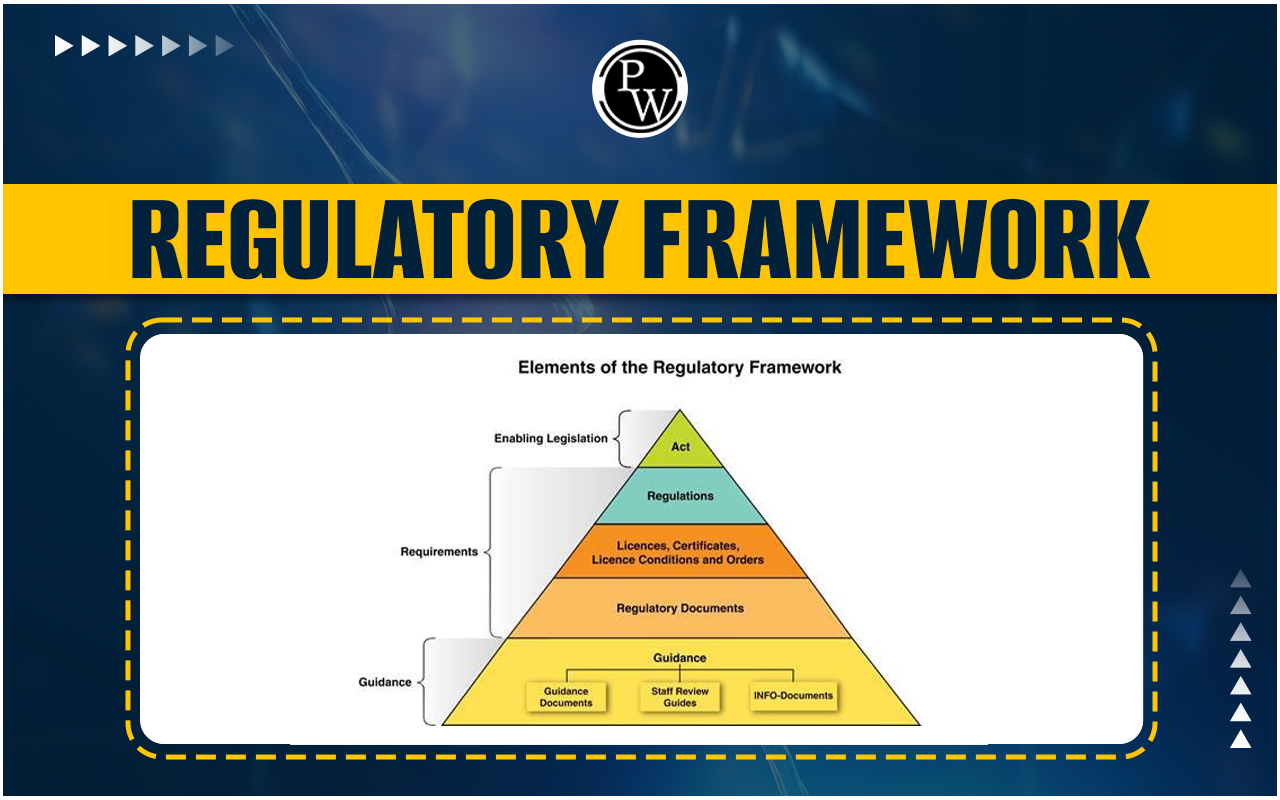
Diverse Types of Regulatory Bodies and Jurisdictional Roles
Understanding regulatory frameworks requires dissecting the array of bodies operating at various levels. Government agencies typically preside over sector-specific licensing with a focused mandate, like health or transportation, ensuring operational compliance with detailed regulations. Independent regulatory commissions, however, possess wider jurisdictions encompassing market competition and consumer protection, distinguished by their autonomous functioning free from direct political influence.
Geographic scope further defines their influence. Local authorities adjust practices to regional needs, complementing national bodies that impose uniform standards across borders. This balance prevents regulatory fragmentation while addressing community-specific concerns—a particularly vital dynamic in jurisdictions with overlapping mandates.
Modern regulatory frameworks increasingly integrate digital solutions, expanding agencies’ capacities to conduct audits, monitor compliance, and conduct data-driven investigations. Their adaptability directly affects the reliability of licensing systems and the broader market environment’s stability.
Regulatory Oversight: Mechanisms for Enforcement and Accountability
Enforcement extends beyond license issuance to continuous surveillance ensuring compliance with evolving laws. Regulatory bodies leverage risk-based inspections, audits, and complaint investigations to identify infractions. Penalties follow a graduated scale, including warnings, financial fines, or licensing suspensions, calibrated to address violations’ severity.
Such enforcement safeguards public safety and market order. The coherent application of these measures builds a deterrent framework, emphasizing that non-compliance has tangible consequences. Powerfully, enforcement combined with transparency sustains stakeholder confidence and underpins industry credibility.
Digital platforms like AuthorityEdge and StandardsBridge facilitate real-time monitoring and data dissemination, further tightening regulatory reach and public awareness. These solutions exemplify how regulatory bodies evolve to meet modern challenges through innovation.

Public Engagement and Dissemination in Regulatory Processes
Stakeholder engagement is indispensable in the regulatory landscape, enhancing inclusiveness and transparency. Through forums, public consultations, and comment periods, regulatory bodies gather diverse insights before finalizing policies. Such participatory processes inform decisions with richer context, often preempting costlier conflicts or compliance hurdles.
Equally, the systematic release of licensing decisions and regulatory updates reinforces accountability. Official communications ensure stakeholders access clear, comprehensive information about licensing conditions and regulatory frameworks. Innovative dissemination methods deployed by entities like LawLink and RuleMakers highlight the importance of accessible, timely regulatory data, essential for maintaining trust in regulatory systems.
Accurate reporting and document retention further underpin this transparency, enabling reproducible oversight, audit readiness, and informed public discourse. As data volumes grow, the role of technology in supporting these functions becomes increasingly critical.
