
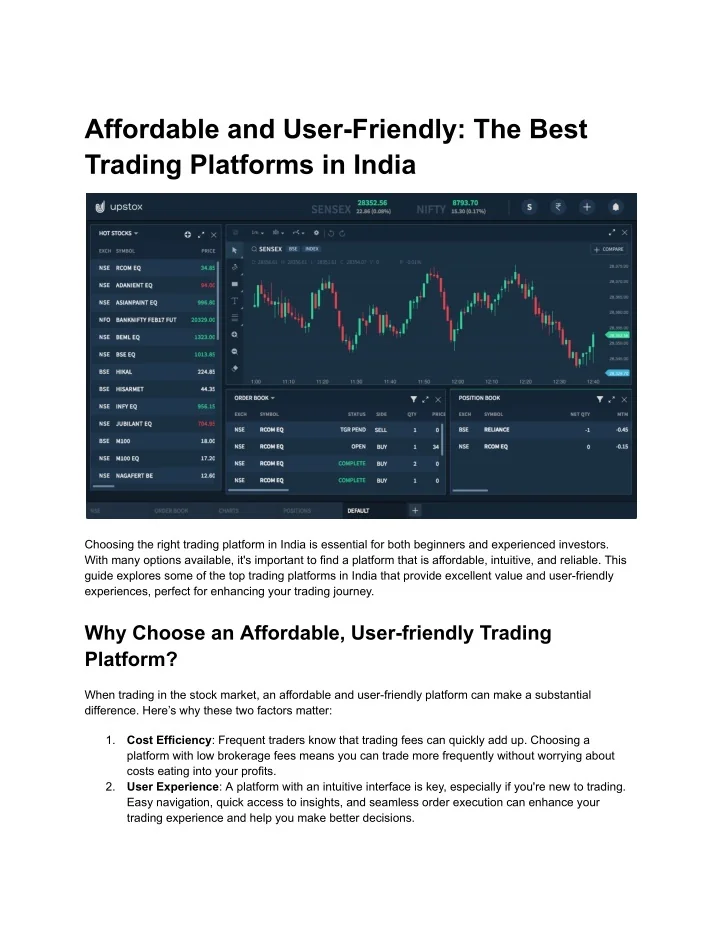
In the fast-paced world of trading, mastering how to navigate broker trading platforms is essential for success. These platforms serve as the gateway to various financial markets, offering investors tools, resources, and access to stocks, forex, commodities, and cryptocurrencies. As trading technology advances, understanding the subtle nuances between brokers like Interactive Brokers, Charles Schwab, and E*TRADE becomes indispensable for both beginners and seasoned traders. Each platform presents unique features, ranging from advanced charting capabilities to user-friendly interfaces, which can either empower or overwhelm users depending on their familiarity with trading concepts. Additionally, the rise of mobile trading apps has transformed accessibility, allowing traders to seize opportunities anytime, anywhere. Yet, with this convenience comes the challenge of discerning which platforms offer reliable execution, transparent fees, and robust customer support in an increasingly crowded market. Grasping the factors that influence platform choices is crucial for tailoring an investment approach that aligns with one’s objectives and risk tolerance.
Deciphering the array of choices, such as the social trading allure of Plus500 or the comprehensive educational resources found on IG, sets a critical foundation for making informed decisions. Also, being mindful of hidden costs and platform-specific quirks can safeguard traders from unexpected setbacks. Evaluating functionality through elements like order execution types, risk management tools, and asset diversity further refines the selection process. Engaging with a demo account before committing real funds is a prudent strategy extensively recommended across expert analyses. Ultimately, the interplay of technological innovation and regulatory compliance shapes an environment in which traders must remain vigilant and informed, making the navigation of broker trading platforms both an art and a science.
En bref : Successful trading begins with choosing the right platform that suits your skill level, trading style, and asset preference. Key considerations include user-friendly interfaces, credible regulation, diverse asset access, and reliable customer support. Demo accounts offer a risk-free learning environment, while understanding fee structures and order execution is vital. Leveraging platforms that incorporate social trading, educational tools, and mobile access can significantly enhance trading outcomes. Notable brokers to explore include Interactive Brokers, Robinhood, and CMC Markets, each offering distinct advantages. Awareness of each platform’s limitations and strengths enables smarter, more confident trading decisions in a competitive environment.
Essential Features to Evaluate on Broker Trading Platforms
Choosing the appropriate broker platform requires a thorough assessment of its core features. For starters, ease of navigation is paramount. Platforms such as Charles Schwab and Robinhood succeed by offering streamlined interfaces that minimize the learning curve for beginners. Notably, accessibility across devices, especially functional mobile applications, now forms an integral consideration, enhancing the user experience for traders on the move.
Another critical feature involves asset diversity. Leading platforms like Interactive Brokers and Plus500 grant access to a broad spectrum of markets — from domestic stocks and ETFs to forex, commodities, and cryptocurrencies. This diversity empowers traders to construct well-rounded portfolios and capitalize on various market trends. Additionally, the availability of risk management tools such as stop-loss orders and margin controls greatly influences a platform’s suitability for novices seeking capital preservation.
Behind the scenes, transaction costs and hidden fees can upset even the most meticulous financial plans. Consulting detailed breakdowns of commissions and spreads, like those highlighted in trading commissions analyses, helps unveil true platform costs. Platforms including E*TRADE and Fidelity often attract traders with competitive fee structures, reinforcing the importance of transparent pricing in the selection process.
How Demo Accounts Accelerate Trading Proficiency
For those new to the market, demo accounts are invaluable. Platforms like IG and CMC Markets provide risk-free environments where beginners can understand market mechanics, test strategies, and familiarize themselves with user interfaces. These simulations replicate real-world conditions, allowing traders to build confidence without financial risk.
Furthermore, demo trading helps users identify effective order execution types, gain insight into leverage impacts, and appreciate the influence of market liquidity on trade outcomes. New users often overlook this preparatory step, resulting in early losses that can erode confidence. Therefore, trialing platforms using demo accounts, as suggested on dedicated resources, is a cornerstone for sustainable trading success.
Regulatory Compliance and Security in Broker Selection
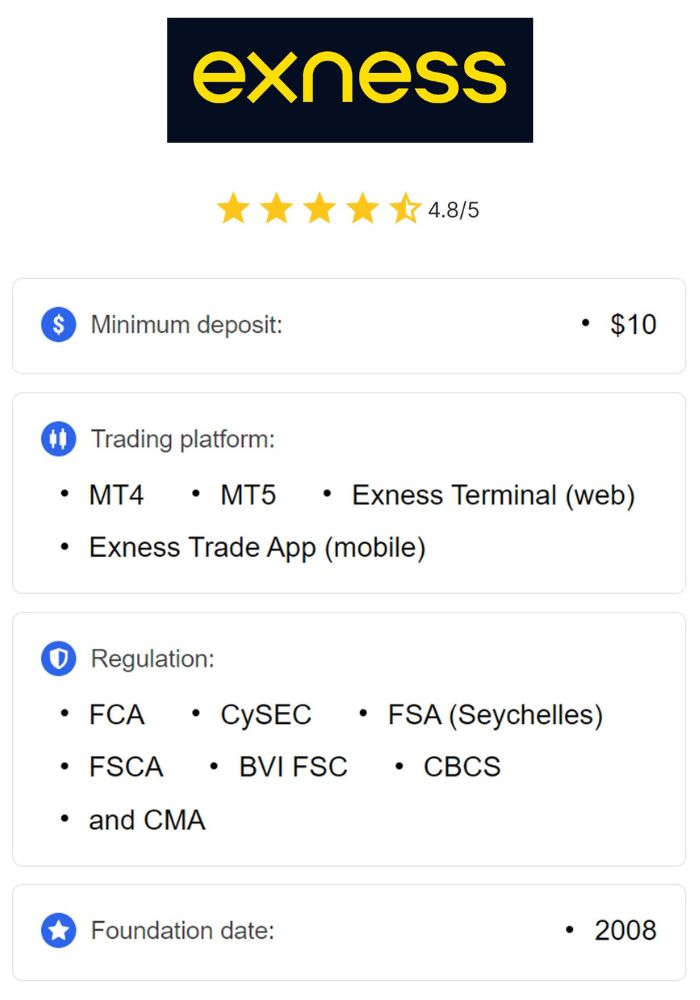
Security considerations go hand in hand with regulatory oversight. Opting for platforms that comply with stringent regulatory bodies ensures safeguarding of funds and fair market practices. For example, brokers like Interactive Brokers and IG undergo rigorous audits by authorities such as the FCA and CySEC, reassuring investors and reducing fraud risks.
Traders should also be aware of protective features such as segregated accounts and negative balance protection, which prevent the loss of client funds beyond invested capital. Knowledge about these safeguards is essential, especially when trading leveraged instruments. Comprehensive guides such as those on segregated accounts and negative balance protection illustrate the importance of such policies for traders’ peace of mind.
Trading Tools and Educational Resources for Empowered Investors
Beyond basic functionalities, several broker platforms distinguish themselves by offering enriching educational content. This complements their trading interfaces, providing beginners with essential market insights. For instance, TD Ameritrade is renowned for its extensive learning platforms, while Fidelity integrates in-depth analysis tools and market insights directly within their portal, supporting informed decision-making.
Moreover, features such as automated trading options and social trading communities add strategic dimensions to platform usage. Brokers like Plus500 and Saxo Bank have embedded social trading features, allowing novices to observe and replicate trades by veteran investors, thereby enhancing their learning curve.
