
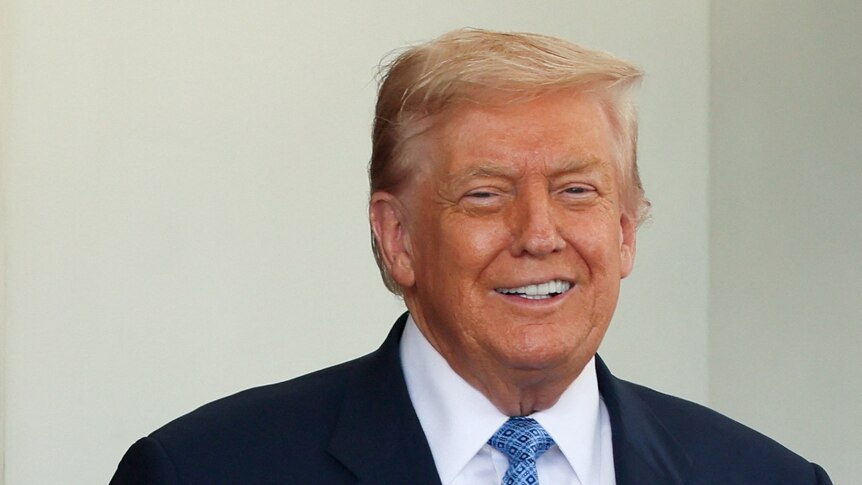
In the ever-turbulent theatre of Eastern Europe, recent peace talks concerning Ukraine’s protracted conflict appear to evoke a paradoxical reaction from Russian President Vladimir Putin. Far from a sign of concession, his bemused smile hints at a complex geopolitical stratagem rather than genuine conflict resolution. These negotiations, steeped in layers of diplomacy and international relations, often mask deeper ambitions within Russian politics that challenge the straightforward pursuit of peace.
As the talks unfold, observers note a carefully orchestrated dance where the Kremlin watches closely, leveraging diplomacy as a tool to recalibrate power dynamics without relinquishing territorial gains or strategic influence. While the international community contemplates a cessation of hostilities, the reality on the ground and behind closed doors suggests a meticulously calculated patience. Putin’s demeanor underscores his intent to navigate negotiations with an advantage, using peace talks not as an endpoint but as a mechanism to solidify Russia’s position amid shifting alliances and global economic pressures.
Geopolitical Significance of Peace Talks in Ukraine and Russian Strategy
The peace talks represent more than a mere attempt to end conflict; they are a critical component of broader geopolitical chess. Putin’s gaze, often described as watching « with a smile, » reflects a deep understanding of how to use negotiations as a political instrument. Rather than capitulation, these talks serve to test the resolve of Ukraine and its Western allies, probing for fractures and weaknesses that can be exploited in Russian favor. Within this framework, the Kremlin’s approach to diplomacy is a blend of tactical patience and calculated brinkmanship.
This strategy aligns with historical patterns in Russian politics, where peace overtures are frequently entwined with implicit threats and demands designed to extend influence. As Peace Talks proceed, stakeholders must recognize that these negotiations operate within a labyrinth of international relations where outright resolutions remain elusive. The constant interplay between displays of goodwill and strategic withholding of concessions keeps the conflict simmering, ensuring that Russia maintains leverage over Eastern Europe.
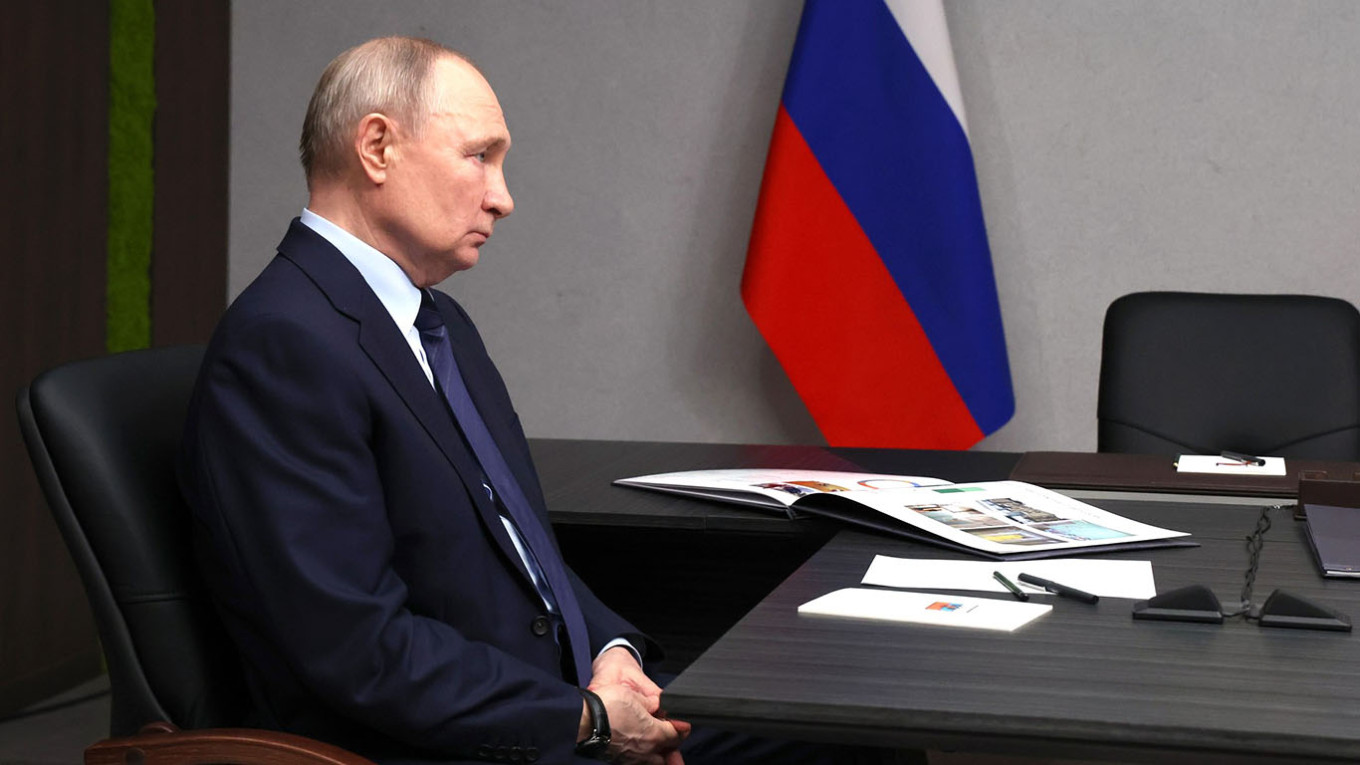
Diplomatic Maneuvering and the Illusion of Conflict Resolution
While diplomatic discourse suggests movement towards de-escalation, Putin’s posture signifies a more nuanced ambition. These peace conversations are not merely about dialogue but about shaping international perceptions and maintaining domestic narratives of strength. The careful use of negotiations cultivates an image of diplomacy without conceding significant ground, creating an environment favorable to Russia’s long-term objectives.
Such diplomatic maneuvering allows Putin to navigate sanctions, economic pressures, and military challenges by projecting readiness for peace while retaining the capacity to reignite conflict. Observers familiar with Geopolitics recognize the intricate balance between public diplomacy and covert strategy, where peace talks become an arena for contesting influence rather than resolving disputes fully. This dynamic complicates the possibility of meaningful Conflict Resolution and highlights Putin’s adeptness in leveraging negotiations in the face of international scrutiny.
The Role of International Relations and Western Response in Shaping the Peace Process
International response to the peace talks has been varied, reflecting the complex matrix of alliances and rivalries shaping the process. Western powers, keen on a diplomatic solution, remain cautious of Putin’s intentions, aware that any concessions may be temporary or serve as tactical reprieves. This wariness is amplified by ongoing friction in regulatory and economic domains, such as the United States’ firm stance against European digital market regulations perceived as hostile to American interests.
Such geopolitical tensions tangentially impact the Ukraine conflict’s diplomatic landscape. The pressure on European digital policies, as outlined in disputes regarding market fairness and retaliation threats, mirrors the strategic posturing seen in Eastern Europe. Both arenas—digital economy regulation and peace negotiations—illustrate how international relations are increasingly complex, with intertwined interests affecting negotiations. The multifaceted nature of these dialogues necessitates scrutiny beyond the immediacy of ceasefires, encompassing broader strategic ambitions influencing the negotiation table.
Negotiations as Power Plays in Russian Politics and Eastern European Stability
Within Russian politics, the peace talks serve as a venue to project strength domestically and internationally. Putin’s apparent smile during these discussions encapsulates a calculated confidence in his ability to steer outcomes favorable to Russia’s dominance in Eastern Europe. These negotiations encompass more than the cessation of hostilities; they are battlegrounds for political capital, sanctions relief, and influence over the narrative in global forums.
This perspective is crucial for interpreting the ongoing Negotiations in Ukraine. Putin’s control over the process and his willingness to engage in diplomacy without binding commitments underscore a strategy that keeps Russia poised to maximize gains while minimizing vulnerabilities. As global actors continue to monitor these developments, the interplay between diplomatic facades and underlying ambitions reveals the intricate dance of power that defines contemporary international relations.
