
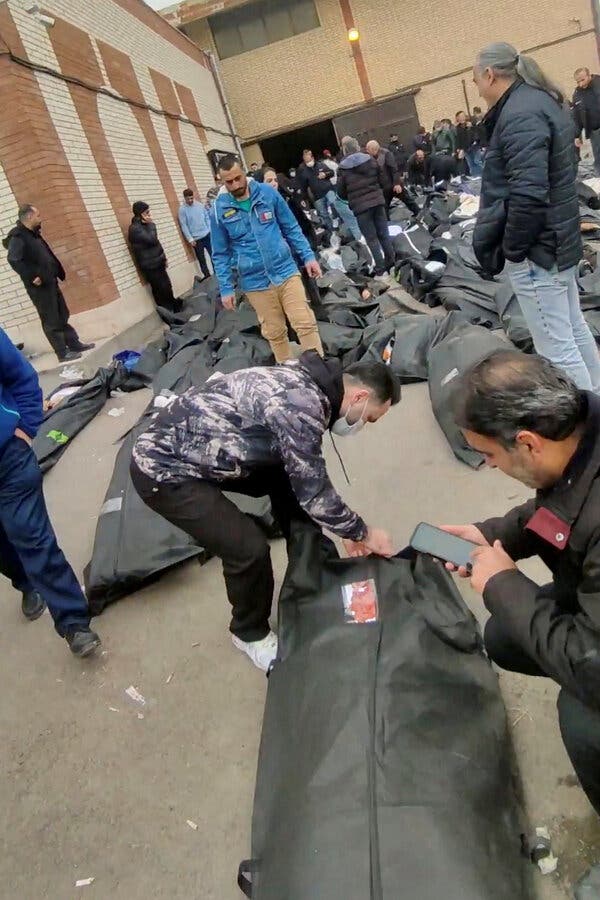
Washington and Tehran find themselves at a perplexing crossroads as talks emerge amid Iran’s harsh crackdown on widespread protests. While communication lines flicker between the two capitals, the core question lingers: what constitutes the subject of these negotiations when Iranians face devastating violence on their streets? The clash between political dialogue and brutal internal repression highlights the paradox of diplomacy under fire. International relations are strained by the urgency to address Iran’s domestic turmoil while managing broader concerns of security and regional conflict. As each side maneuvers, the fate of human rights and political freedom within Iran becomes collateral in a strategic dialogue that challenges conventional diplomatic frameworks.
In Bref
- Negotiations between Washington and Tehran occur amidst a brutal crackdown on Iranian protesters, raising questions about priorities in diplomacy.
- The discourse shifts from Iran’s nuclear program to addressing internal conflict and emerging threats to stability.
- Historical analogies, such as recent US interventions in Venezuela, illustrate risks of external influence overriding domestic aspirations.
- The human rights crisis inside Iran challenges the legitimacy and potential effectiveness of talks focused mainly on geopolitical interests.
- Experts debate whether diplomatic efforts under President Trump’s administration represent genuine pathways to peace or power plays.
Complex Dynamics at Play: Washington’s Diplomatic Gamble Amid Iran’s Internal Turmoil
The unfolding scenario in 2026 reveals an unprecedented shift in how Washington approaches international relations with Tehran. Traditional diplomatic boundaries blur as the United States signals willingness for both dialogue and potential military action—a dual strategy reflecting a multifaceted threat assessment. President Donald Trump’s recent declarations underscore this ambivalence: while inviting possible meetings, he simultaneously warns of preemptive strikes. Such contradictory messaging feeds into a broader strategy where negotiations become instruments of survival for Iran’s fragile regime, teetering on the edge due to mass protests and external pressures.
This duality recalls prior US moves in Venezuela, where the toppling of Maduro became entwined with American geopolitical goals, but left local populations engulfed in prolonged instability. The Iranian government, acutely aware of these precedents, contemplates concessions on the nuclear agenda—not from a stance of strength, but from desperation to maintain control internally and stave off foreign intervention. This creates a precarious diplomatic balancing act where security and regime preservation dominate over genuine human rights considerations.
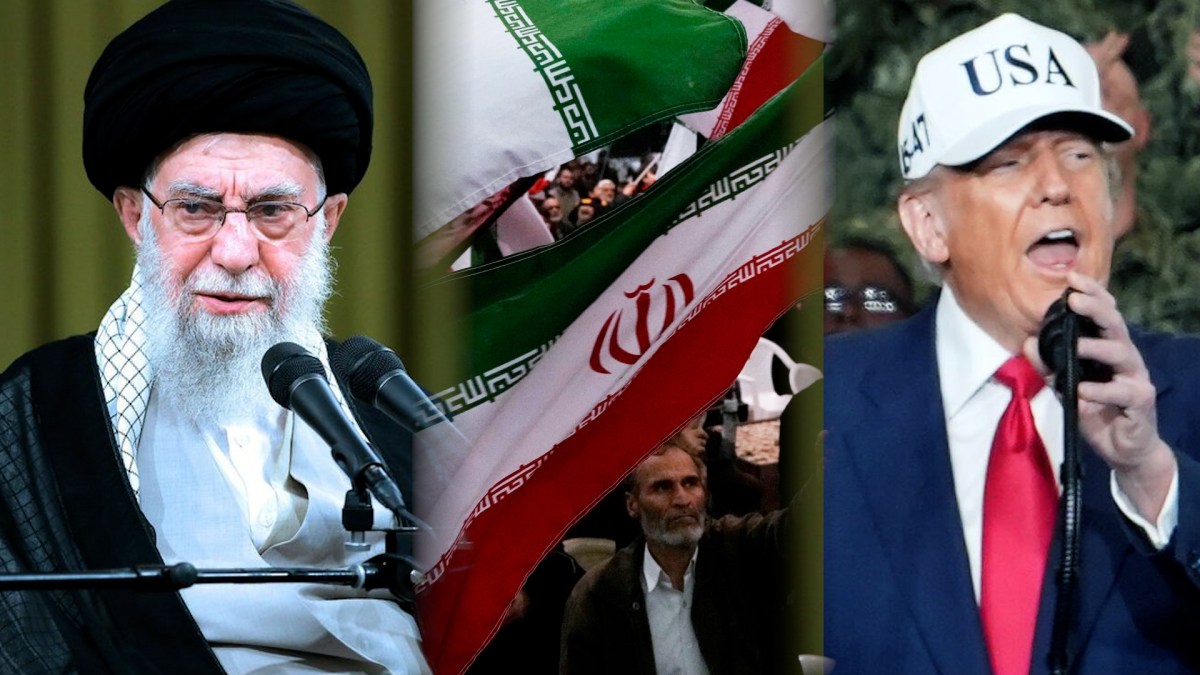
Challenges and Contradictions in Addressing Iran’s Domestic Crisis Through International Diplomacy
The very premise of engaging Tehran diplomatically while Iranian citizens are being shot reveals fundamental contradictions. The political violence gripping the streets of Iran represents a domestic legitimacy crisis that foreign powers are ill-equipped to resolve through traditional channels. Yet, the persistent presence of American envoys—facilitated discreetly by intermediaries like the Sultanate of Oman—highlights the urgent desire to manage the fallout before conflict escalates regionally. The negotiation framework, however, risks sidelining the voices of Iranian protesters who seek systemic political transformation.
This divergence underscores a growing tension between addressing immediate human rights abuses and navigating long-term security objectives. For Washington, containing Iran’s nuclear ambitions and regional influence remains paramount. For Tehran, leveraging international talks offers fleeting reprieve but does not alleviate internal oppression. The resulting diplomatic theater thus becomes a contest of narratives: external threats versus internal dissent, survival versus freedom.
Washington’s Strategic Calculus: Balancing Diplomacy with a Show of Force
Since 2025, the US administration has recalibrated its approach to Iran by intertwining negotiations with credible threats of military action. This tactic reflects a broader pattern in American foreign policy where diplomacy is interlaced with coercive measures to elicit favorable outcomes. Such an approach complicates the prospects for peaceful resolution, as Tehran perceives direct links between protest suppression and external pressure.
Experts warn of the dangers inherent in this strategy, noting parallels in previous cases such as the crescendo of geopolitical tensions prior to reported failed US attempts to capture Venezuelan leader Nicolas Maduro, detailed in related analyses. The potential for a “deal” struck primarily under duress threatens to obscure the human suffering endured by Iranian citizens and risks fostering a new status quo dictated by external interests rather than genuine reform. Consequently, the unfolding talks invite critical scrutiny over whether diplomacy under these conditions can truly advance peace or merely mask an ongoing conflict.
Implications for Regional Security and the International Community
The ripple effects of these bilateral discussions extend beyond Iran’s borders, implicating the broader security architecture of the Middle East. With Tehran signaling readiness for either war or talks, the tightrope walk of diplomacy shapes not only regional stability but also aligns with international responses to similar crises, such as ongoing peace talks involving Ukraine and Russia. The interconnection between these global flashpoints underscores a world increasingly influenced by stark power realignments and the erosion of multilateral norms.
Within this context, Washington exercises disproportionate influence, leveraging both coercion and dialogue to maintain strategic advantage. Iran’s internal protests and external negotiations thus become enmeshed in a complex dialogue where human rights issues are marginalized in favor of geostrategic maneuvering. The fate of ordinary Iranians caught in this web remains precarious, caught between the imperatives of regime preservation and the promises of international diplomacy.
