
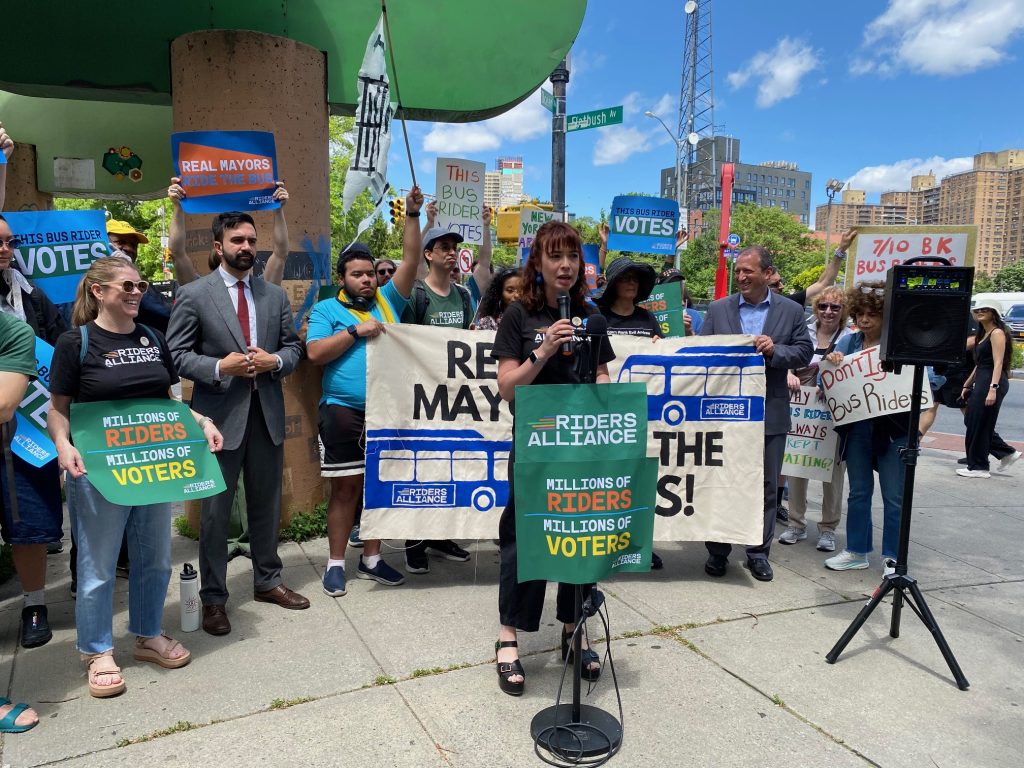
Municipal elections in 2026 have spotlighted more than mere conversations about mobility and urban development. In downtown areas across the nation, the pulse of commerce reflects broader community engagement and a passionate investment in the local economy’s future. While transit corridors and infrastructural projects often dominate civic discussions, downtown merchants and residents reveal the emotional ties that go beyond the practicalities of moving people efficiently. This intersection of public transit policies and the vitality of small businesses underscores a complex dynamic where economic sustainability and urban livability converge.
The multifaceted nature of downtown commerce has been brought into sharp relief through various studies, confirming the undeniable influence of municipal decisions on the health of local shops and services. Vincent Dutot, a well-respected scholar and founder of the research center dedicated to proximity commerce, reinforces that there is a tangible impact stemming from mayoral agendas and metropolitan strategies. Commerce districts aren’t mere economic zones; they are the embodiment of a community’s identity and resilience. This emotional underpinning of downtown life is increasingly factoring into voter priorities during municipal elections, pushing policymakers to balance practical mobility initiatives with nurturing a vibrant, engaged downtown atmosphere.
How Downtown Commerce Shapes Civic Debate Beyond Mobility Concerns
The role of downtown business ecosystems extends well beyond logistics and transportation. The intertwined interests of urban planners, business owners, and citizens reveal that civic issues such as zoning laws, infrastructure funding, and transit options cannot be isolated from economic and social dimensions. Policies designed to improve public transit and pedestrian accessibility also influence foot traffic, a lifeline for retailers whose success often determines the vibrancy of metropolitan centers.
Evidence from cities like Lyon highlights that commercial crises prompt not only economic upheaval but also communal anxiety rooted in identity and local heritage preservation. For a nuanced understanding of these phenomena, it is critical to observe how municipal leadership invests its powers to protect or revitalize downtown commerce hubs. Such an exploration reveals the depth of sentiment that mobilizes voters in these contests: references to mayoral powers affecting businesses illustrate the political weight behind supporting local merchants within elections.
Community Emotions Intertwined with Economic and Mobility Challenges
The emotional investment in downtown districts transcends economic interests alone. For many residents, downtown areas symbolize a shared space of cultural memory and social cohesion. This explains why discussions around urban development often evoke strong emotional responses that surpass mere functionality. From debates over new transit routes to propositions for pedestrian-friendly zones, emotions shape public opinion and, by extension, electoral outcomes.
Moreover, recent election cycles have demonstrated an uptick in voter engagement linked to these downtown themes. When merchants in cities like Nantes articulate their plans for future commercial sustainability, voters reflect these priorities at the polls, signaling a blend of economic prudence and emotional attachment. Engaged citizens demand that municipal plans integrate local economy stabilization with foresight on infrastructural adaptations, connecting commerce, mobility, and the social fabric tightly.
Integrating Mobility Solutions with Downtown Economic Revival
Innovative urban transit approaches are increasingly viewed as key drivers to stimulate downtown commerce. However, success depends on the ability of local governments to understand and manage the nuanced needs of businesses and their patrons. For example, tailored transit options can enhance accessibility without sacrificing the charm that attracts tourists and loyal customers alike.
Ultimately, the strategic convergence of mobility improvements and downtown economic vitality requires continuous input from diverse community stakeholders. Public forums and engagement platforms enable voters and merchants to influence electoral agendas, ensuring that municipal policies reflect a holistic vision. This collaborative approach to governance underscores the importance of civic participation in shaping thriving urban centers.
To explore further how downtown commercial districts interact with public policy and electoral dynamics, see insights on recent challenges in Lyon’s commerce sector and how merchants in Nantes have been shaping election plans.
