
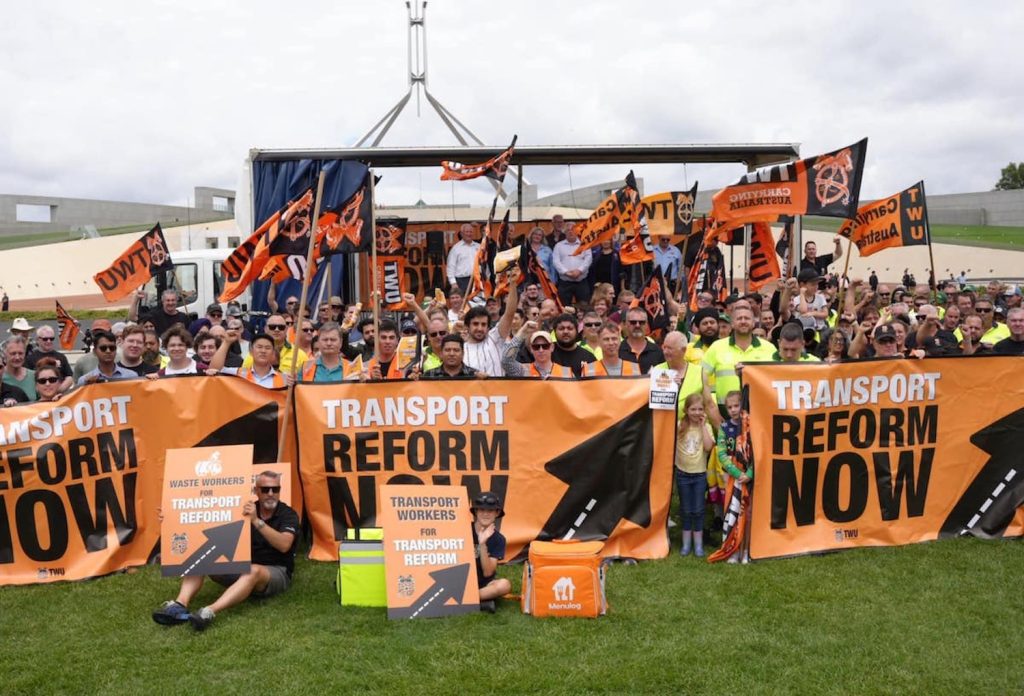
The recent work stoppage at Stef Transport in Vannes highlights the complex dynamics of wage negotiations and the profound future concerns faced by employees in the transport sector. As labor disputes intensify, they not only disrupt operations but also serve as pivotal moments that underscore the demands and frustrations of the workforce. Stef Transport’s ongoing collective bargaining has reached a critical impasse, as structured negotiations over wage increments have faltered, compelling workers to initiate an employee strike. This industrial action is emblematic of the persistent tension pervasive across many sectors in 2026, where economic pressures and evolving workplace expectations converge.
In brief, the Vannes work stoppage at Stef Transport demonstrates:
- Wage negotiations become a flashpoint for broader worker demands regarding job security and fair compensation.
- The strike is fueled not only by current pay disputes but also mounting future concerns about working conditions and corporate policies.
- This labor dispute exemplifies challenges in collective bargaining as employees leverage industrial action to voice their grievances.
- Stef Transport’s situation reflects the wider implications of employee strikes in maintaining operational stability amid economic volatility.
Wage Negotiations Failure and the Rise of Industrial Action at Stef Transport Vannes
Negotiations at Stef Transport in Vannes have stalled over critical issues involving wage adjustments and contract terms, revealing the struggle inherent within contemporary collective bargaining frameworks. The gap between management’s offers and the expectations of workers points to a growing disconnect amplified by the increasingly volatile economic environment. Decades of labor history confirm that when employer inflexibility meets rising employee dissatisfaction, the likelihood of a work stoppage becomes imminent. The current employee strike is a direct consequence of failed compromise, and the resolution depends on mutual recognition of shared interests.

Addressing Future Concerns: Beyond Immediate Pay
The unrest at Stef Transport transcends mere wage disputes, encompassing broader future concerns about job stability and company direction. Employees question the sustainability of their roles amidst automation trends and shifting market demands. Their demands reflect a need for transparent dialogue regarding the company’s long-term strategy and assurances toward continuous employment. This dimension often remains underappreciated in strike negotiations but is crucial for understanding why labor disputes persist beyond initial monetary grievances. Engaging with these future concerns can unlock pathways to more sustainable agreements.
Collective Bargaining in Crisis: Lessons from Vannes Industrial Action
The Stef Transport standoff underscores the broader crisis enveloping collective bargaining processes in 2026. When employers and employees fail to converge on the fundamentals of fair remuneration and working conditions, the integrity of labor relations erodes. This disruption complicates operational continuity and breeds mistrust. An insightful approach lies in learning from parallel episodes across industries, such as the ongoing disputes documented in similar labor conflicts, and applying negotiation success strategies that reconcile divergent stakes.
Navigating these complex labor disputes requires an astute appreciation of economic pressures and workforce expectations. By integrating clear communication and equitable offers, companies like Stef Transport can mitigate disruptions while honoring employee rights. The Vannes stoppage is more than a temporary obstacle; it is a compelling case study in evolving labor dynamics within the 21st century’s changing economic landscape.
