
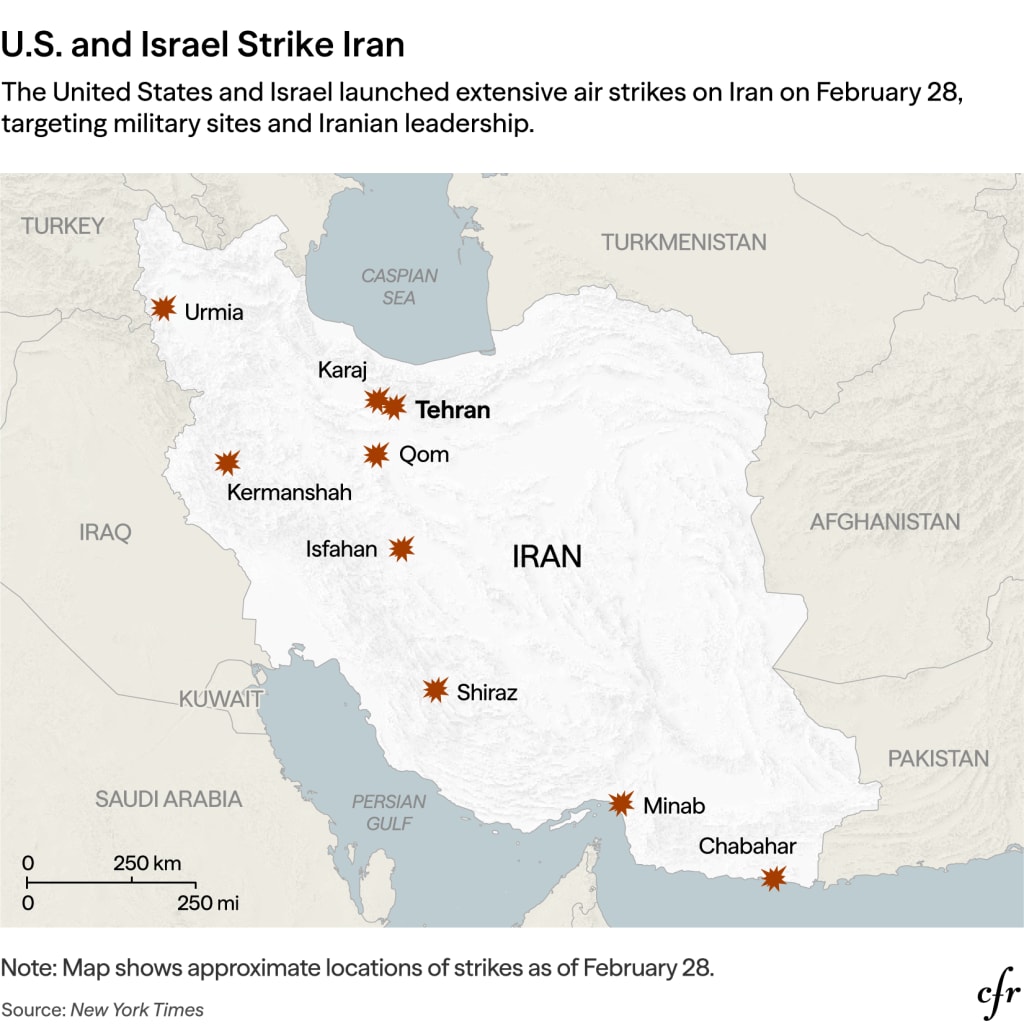
As the Middle East conflict enters its seventh day in early 2026, tensions have escalated dramatically across the region, reshaping international relations and deepening geopolitical unrest. The persistent cycle of retaliatory strikes between Iran, Israel, and allied forces such as the United States continues to disrupt regional stability and threaten global peace prospects. Notably, recent Israeli assaults on southern Lebanon, coupled with Iranian missile and drone attacks targeting Tel Aviv and other strategic sites, signal a shift towards intensified militancy and broader confrontation.
Key developments include several casualties in the southern Iranian city of Shiraz following missile strikes, extensive Israeli bombardments in Lebanon’s southern districts, and significant explosions reported in Tehran damaging critical infrastructure. The Lebanese Hezbollah and Iran’s Revolutionary Guards have openly claimed offensive operations against Israeli positions, asserting further volatility. Meanwhile, the Gulf states, including Saudi Arabia and Qatar, have intercepted multiple missile and drone attacks aimed at key military bases, underscoring the expanding dimensions of this conflict beyond traditional frontiers.
This unfolding scenario not only raises alarms about an imminent ground invasion, which has been dismissed by leading faces in Washington as a “waste of time,” but also fuels fears of disruption along crucial maritime passages such as the Strait of Hormuz. Despite the heightened threat, Iranian officials have publicly maintained that the strait remains open for now, highlighting the delicate interplay between military assertiveness and economic considerations in the region’s geopolitics.
International organizations, notably NATO, have responded by bolstering ballistic missile defense postures, anticipating further escalation. Political observers point out that these developments intensify the complexity of diplomacy in the Middle East, as traditional peace talks seem overshadowed by increasingly entrenched militancy and hardened rhetoric from all sides. Key geopolitical figures—both regional and global—now face the formidable task of navigating this turmoil to avoid a wider regional war with the potential for catastrophic consequences.
The current conflict trajectory, coupled with strategic strikes that have reportedly sunk over thirty Iranian vessels, signals a phase where military engagement intertwines tightly with high-stakes international diplomacy. The unfolding events challenge assumptions about the efficacy of traditional conflict resolutions and call for urgent reflection on global strategies to manage and mitigate Middle East tensions in these trying times.
Brief:
- The Middle East conflict enters its seventh day with intensifying missile strikes and ground actions extending across Iran, Lebanon, and Israel.
- Casualties mount in southern Iran and Lebanon amidst heavy Israeli bombardments, while Iran responds with missile and drone offensives.
- Key regional players such as Saudi Arabia and Qatar intercept missile and drone threats, underscoring expanding regional tensions.
- Strategic maritime routes like the Strait of Hormuz remain navigable but under constant threat amid heightened military activity.
- International bodies strengthen missile defense frameworks anticipating further conflict escalation, complicating diplomacy and peace efforts.
Latest Middle East Conflict Developments Reveal Shifting Geopolitical Dynamics
The current turbulence in the Middle East underscores a critical turning point in regional geopolitics with Iran actively retaliating against US-Israeli coalition strikes. This complex web of militancy and military operations represents more than an isolated conflict—it encapsulates broader strategic ambitions and alliances altering international relations at large. Recent strikes have targeted major urban centers and military infrastructure, notably in Tehran and southern Iran, marking an unprecedented scale of confrontation.
Israeli military operations intensified with overnight bombardments of six localities in southern Lebanon and multiple strikes near Baalbek, reflecting a tactical move to expand control along the Lebanon-Israel border. Hezbollah’s artillery and rocket attacks in response, particularly their calls to evacuate Israeli border villages, emphasize the conflict’s spillover effects on civilian populations and wider regional security. Further strategic insights reveal Iran’s relentless focus on undermining Israeli and allied interests, with informed analysis pointing to a recalibration of Middle East power balances.
Diplomatic Challenges and Military Posturing Shape the Next Phase
In the absence of peace talks, the role of diplomacy becomes fraught, with significant challenges in de-escalating the crisis. Iranian officials have made clear their refusal to entertain ceasefires or negotiations with the United States, symbolizing a hardened stance amid ongoing hostilities. The strategic messaging from Iran, including threats from the Houthi rebels in Yemen, who maintain readiness to strike in solidarity, complicates the diplomatic landscape further.
On the defense front, NATO has fortified its missile defense systems, explicitly linking these measures to the ongoing attacks attributed to Iran, highlighting an evolving security architecture designed to deter further aggression. Meanwhile, the United States has declared extensive naval successes, claiming to have neutralized over 30 Iranian vessels, including a drone carrier currently ablaze, signaling heightened maritime conflict. These developments underscore the interconnectedness of military operations and diplomatic maneuvering within this volatile geopolitical theater. For an in-depth examination of the diplomatic undercurrents, explore this analysis on Tehran-Washington talks.
Impact on Regional Security and Civilian Populations Amid Rising Tensions
Beyond the military confrontations, the repercussions for civilian populations across the Middle East remain dire. Lebanon reports a rising death toll, now surpassing 120 casualties from Israeli strikes since the conflict’s escalation. In Bahrain, missile attacks inflicted property damage on hotels and residential buildings, signaling a growing reach of conflict consequences beyond frontline combat zones.
Israel experiences intermittent explosions in Tel Aviv, compelling emergency responses though avoiding immediate reported casualties. These events reflect the omnipresence of insecurity in daily life, disrupting routine and fostering pervasive apprehension among civilians. The possibility of a ground invasion, while publicly downplayed by key leaders as counterproductive, remains a shadow over the horizon, threatening to exacerbate the humanitarian crisis.
The conflict’s persistence destabilizes vital economic channels such as the Strait of Hormuz, critical for global energy supplies. Iran’s decision not to close the strait for now signals a complex balancing act: maintaining economic leverage without triggering further international economic fallout. This delicate calculus shapes regional diplomacy and military strategy, with implications extending to global markets and energy security.
