
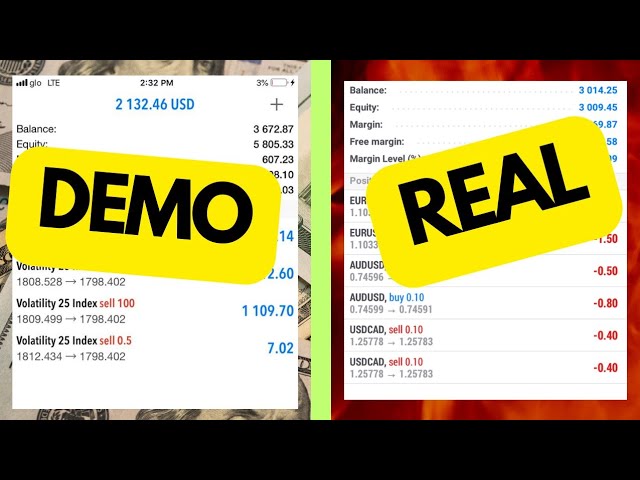
In the evolving landscape of financial markets, the choice between demo accounts and real accounts for aspiring traders remains pivotal. Demo accounts offer a sanctuary—risk-free environments where novices can familiarize themselves with platforms like MetaTrader or TradingView without financial exposure. Meanwhile, real accounts plunge traders into the authentic turbulence of trading with actual capital, where every decision bears tangible consequences. Notably, brokers such as eToro, IG, and FOREX.com provide vibrant ecosystems for both types of accounts, catering to diverse trader needs. Mastering the nuances between these options is essential not just for understanding trading mechanics but also for developing the emotional fortitude critical to real-world success.
En bref:
- Demo accounts provide risk-free practice with virtual funds, enabling traders to test strategies without financial pressure.
- Real accounts engage genuine capital, exposing traders to market conditions, liquidity issues, and psychological hurdles like fear and greed.
- Transitioning from demo to real trading demands careful management of emotional and financial risks.
- Platforms like eToro and Interactive Brokers offer comprehensive demo and live account services, supporting trader development.
- Successful trading hinges on balancing theoretical learning from demo accounts and practical experience gained through real trading.
Balancing Learning and Experience: How Demo and Real Accounts Differ in Trader Development
Demo trading accounts simulate real market conditions, equipping traders to develop skills with tools identical to those in live environments. Platforms such as IG and Plus500 excel in providing realistic interfaces where virtual funds mimic the movements of actual financial instruments. This hands-on practice lays a foundation for understanding market dynamics, order execution, and platform navigation. However, while demo accounts divorce trades from real money, they cannot replicate the emotional intensities experienced when real funds are at stake. This fundamental disparity underscores the importance of live accounts for cultivating psychological resilience and risk management acumen—qualities indispensable for enduring success in volatile markets.
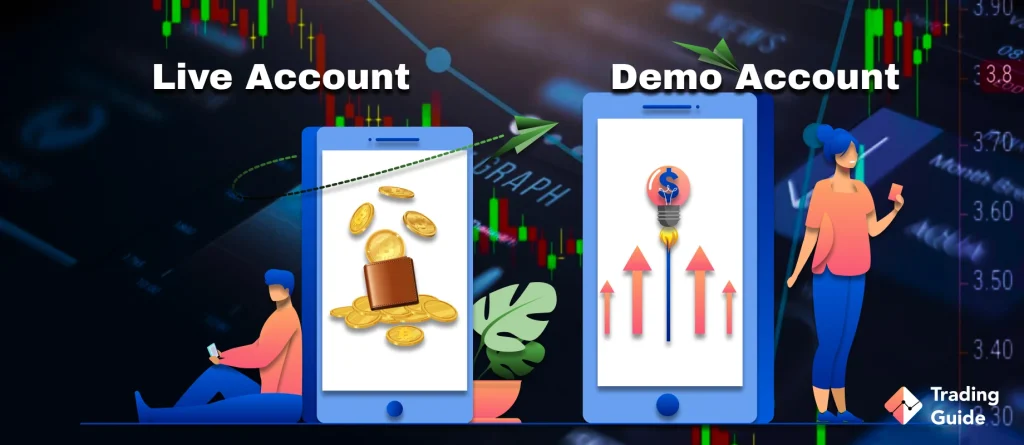
Real Accounts: Gateway to Genuine Market Engagement and Emotional Conditioning
Live trading accounts represent the threshold where theory meets reality. With accounts from brokers like TD Ameritrade or CMC Markets, traders confront authentic market variables: liquidity fluctuations, slippage, and execution delays. These factors, while often understated in demos, directly impact outcomes and require adaptive strategy execution. Moreover, trading real money triggers psychological responses—fear can paralyze decision-making, while greed may provoke reckless behavior. Experiencing these emotions firsthand is crucial; it transforms abstract lessons into visceral understandings that no demo environment can simulate. Such exposure enables traders to refine strategies and develop disciplined habits essential for long-term profitability.
Examining Platform Variations: How Brokers Shape Demo and Real Trading Experiences
Brokers play an instrumental role in defining the trader’s journey. Differences emerge not only between demo and real accounts but also across broker platforms. For example, while OANDA and FOREX.com tend to offer demo accounts with tightly controlled spreads to facilitate learning, their live accounts often reflect market realities with wider spreads shaped by liquidity and volatility. Interactive Brokers, synonymous with professional-grade access, maintains rigorous standards across both account types, attracting traders who prioritize realism even in simulations. Understanding these broker-specific characteristics allows traders to select platforms that align with their developmental needs and trading goals. Importantly, many brokers provide detailed guides on opening trading accounts, enriching traders’ preparedness for market engagement.

Strategies for Transitioning: From Demo Confidence to Real Account Competence
Moving from demo to real accounts requires mindful preparation beyond technical readiness. Psychological readiness to handle actual financial risks is paramount. Experts recommend engaging in 50 to 75 virtual trades on demo platforms before trading live to build both strategy robustness and emotional control. Platforms like MetaTrader enable seamless strategy backtesting in demo mode, while brokers such as eToro provide demo accounts without time restrictions, making them ideal for thorough preparation. Additionally, traders should anticipate differences in order execution and pricing between demo and real accounts to avoid overconfidence from risk-free successes. Leveraging educational resources from broker reviews and CFD trading advantages can further smooth this transition.
The spectrum of trading accounts offered by brokers highlights the nuanced journey of trader evolution. Demo accounts remain invaluable for harnessing fundamental skills and testing innovative strategies without financial exposure. In contrast, real accounts immerse traders in the authentic pressures and rewards of market participation. The interplay between these account types fosters comprehensive skillsets, preparing traders not only technically but psychologically to navigate the complexities of series like FOREX.com or platforms such as TD Ameritrade. Aspiring traders should judiciously balance their reliance on each, leveraging resources available in guides for opening trading accounts and broker reviews to pave their path toward consistent market success.
Explore the practicalities and benefits of demo accounts versus real accounts by consulting thorough open trading account guides and learn about the advantages of CFD brokers for diversified trading opportunities. For a broader perspective on platform offerings, consider the top online brokers review to select the best fit for your trading ambitions.
