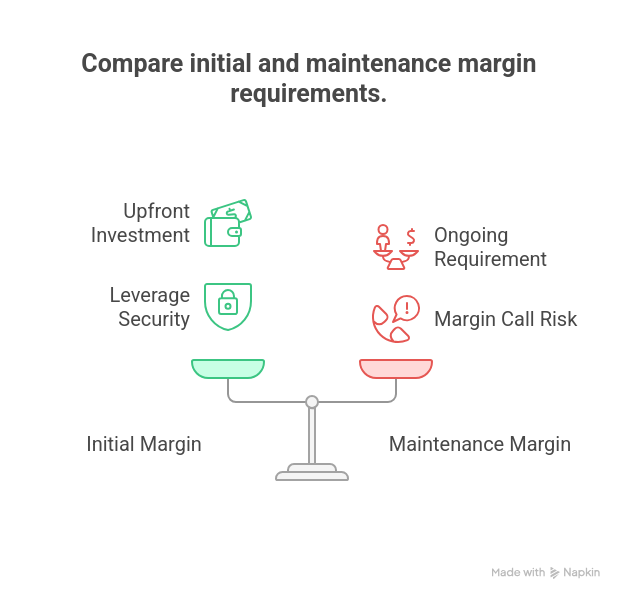
In the dynamic realm of trading platforms like MetaTrader and Interactive Brokers, understanding the interplay between leverage and margin is crucial for navigating market opportunities responsibly. Leverage, a financial multiplier, empowers traders to control positions that far exceed their actual capital, dramatically amplifying both potential profits and risks. Margin, conversely, acts as the initial deposit or collateral required to open these leveraged positions, fundamentally setting the boundaries of financial exposure. This delicate balance defines how traders interact with markets, from forex giants like FXCM to diversified brokers such as TD Ameritrade and Robinhood, offering enhanced access yet necessitating precise risk assessments to avoid swift losses. In 2025, the nuances of leverage and margin remain pivotal, shaping strategies amidst evolving market regulations and technological advances.
In brief: Leverage magnifies buying power, enabling larger trades with less capital; margin is the upfront amount securing these trades. Both elements function symbiotically—understanding this is essential to avoid rapid account erosion. Advanced platforms such as Plus500 and Binance display real-time margin requirements and leverage ratios, fostering transparency. However, the true test lies in disciplined application—blindly chasing maximum leverage often leads to margin calls and substantially increased costs, including overnight fees. Effective use of leverage and margin remains one of the most strategic tools in trading, demanding not only knowledge but also prudence and sound risk management.
How Leverage and Margin Work Together to Amplify Trading Power
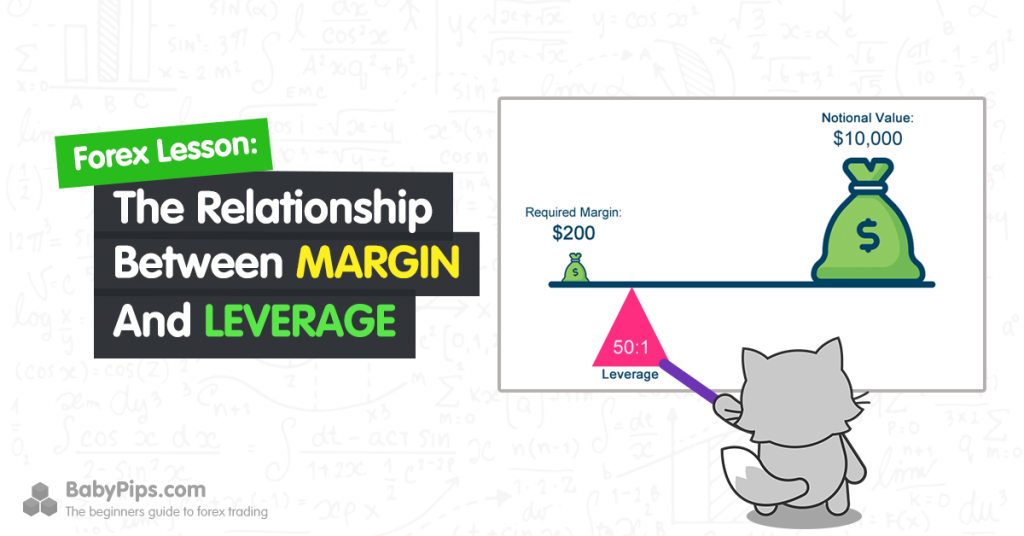
Leverage is not a standalone concept but closely linked to margin, creating a framework where traders can command much larger position sizes than their account balances would ordinarily allow. For instance, a leverage ratio of 1:50 implies that every dollar invested controls $50 worth of assets. Consequently, to open a $100,000 position with 1:50 leverage, only a $2,000 margin is required upfront. This relationship underscores why margin is often viewed as a performance bond—it serves as collateral that supports potentially high-stake exposures.
This mechanism underpins why leading platforms such as eToro and IG Group attract traders seeking to deploy capital efficiently. The trade-off for this amplifying power is the inherent risk; a modest market move against the trader’s position can swiftly eliminate the margin, triggering margin calls or automatic position closures.

Evaluating the Real Cost of Using Leverage on Trading Platforms
Beyond the impressive purchasing power leverage confers, it’s paramount to recognize the costs embedded in this service, primarily the overnight financing fee charged by brokers. This fee compensates the broker for the borrowed capital facilitating leveraged trades and varies depending on asset class and brokerage policies. For example, keeping a leveraged position open overnight on Coinbase or TD Ameritrade entails daily costs that can quietly erode profitability, especially during prolonged market exposure.
Understanding these nuances and monitoring real-time margin requirements are facilitated by platforms offering transparent fee disclosures. Traders exploiting high leverage without factoring in these costs invite rapid depletion of their trading accounts. Strategic users analyze how overnight fees fit within their holding periods and trade frequency, aligning costs with anticipated gains.
Risk Management: Why Caution with Leverage and Margin is Non-Negotiable
Leverage is often touted as a shortcut to amplified profits, yet the double-edged nature of this tool demands rigorous risk controls. Excessive leverage can lead to devastating losses faster than most newcomers anticipate, as even minute market fluctuations can exceed initial margins. Disciplined traders on platforms like FXCM and Plus500 develop strategies that emphasize calculating appropriate position sizes relative to their account balance and the asset’s volatility.
Risk management extends beyond calculating trade size; it incorporates deciding stop-loss levels, understanding margin calls, and knowing when to reduce exposure. This is why Interactive Brokers and eToro provide advanced tools to simulate potential trade outcomes, empowering traders to anticipate the impact of leverage under different market scenarios. Traders who overlook these critical aspects often find themselves subject to rapid margin depletion and forced liquidations, highlighting the importance of education and simulation before engaging with leverage fully.