

In the rapidly evolving landscape of forex trading, selecting the right broker is crucial for new investors aiming to navigate currency markets confidently. As digital platforms continue to advance, brokers like eToro, Forex.com, and AvaTrade have emerged as frontrunners, each offering unique features tailored to beginners’ needs. The year 2025 marks an era where user-friendly interfaces, comprehensive educational resources, and robust regulatory compliance have become non-negotiable criteria for any forex newcomer. This scrutiny ensures safety, transparency, and accessibility, allowing fledgling traders to focus on developing their strategies without undue complexity.
New entrants to the forex domain often face overwhelming choices—from spread types and commission structures to leverage options and platform functionalities. Brokers such as Pepperstone, XM, and OANDA stand out for their balance of cost efficiency and risk management tools, aiding novices to limit exposure while gaining hands-on experience. Moreover, the integration of social trading and copy trading features by platforms like eToro provides an intuitive stepping stone for beginners, who can observe and replicate seasoned professionals before mastering independent trading.
In addition, the nuances of demo accounts versus live trading environments have become a focal point for many. It is essential to understand the distinction and leverage demo platforms to gain confidence before committing real capital. Resources analyzing demo vs. real accounts offer valuable insights for those taking first steps in live markets. Coupled with an understanding of different broker fees and commissions, new traders can avoid hidden costs, ensuring their initial capital stretches further in education and experience.
Tailoring Forex Brokers to the New Investor: Prioritizing Trust and Usability
The foundation of successful forex investing rests upon selecting a broker regulated by reputable authorities such as the FCA, ASIC, or CySEC, which reassures clients of fund security and ethical practices. Platforms like Forex.com and AvaTrade exemplify this standard, coupling regulation with transparent fee structures and straightforward platforms. The importance of accessibility is underscored by brokers offering low minimum deposits, enabling beginners to start modestly without excessive financial risk. For example, both AvaTrade and Forex.com maintain minimum deposits around $100, striking a balance between accessibility and trading flexibility.
Yet, usability transcends mere entry costs. Intuitive design and educational support solidify a broker’s standing in the novice market. XTB and Octa combine sleek interfaces with a wealth of tutorials, webinars, and market analysis, which are instrumental in nurturing informed trading habits. Here, leveraging detailed features through resources like trading platform features reviews can demystify platform capabilities and empower traders to harness analytics and order types effectively.

The Rise of Social and Copy Trading: eToro’s Impact on New Traders
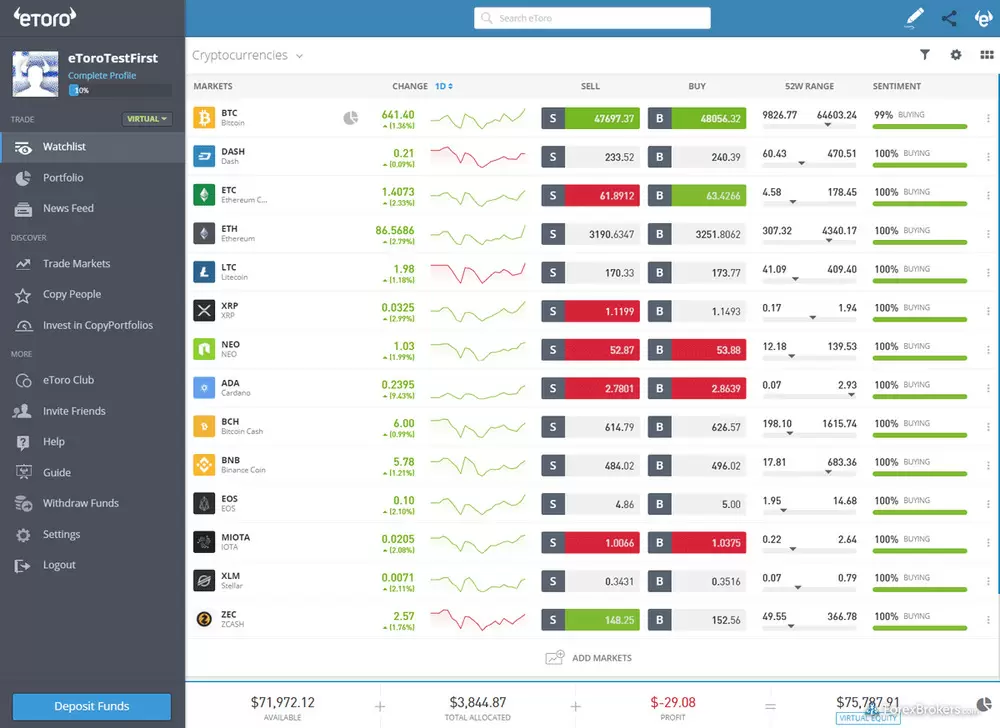
Social trading has revolutionized how beginners approach the forex market, with eToro leading the charge in cultivating community-based learning. By replicating successful traders through CopyTrader, novices gain experiential insight into forex strategy execution without assuming full responsibility immediately. This method reduces the steepness of the learning curve and helps build confidence gradually.
Although social trading platforms often come with slightly higher spreads or fees due to their innovative service, the educational trade-off tends to outweigh these costs. Awareness of how commissions and spreads influence net returns is crucial, with guides on broker fees and commissions helping traders optimize their expenditure. Understanding the nuances of cost structures enables smarter decision-making when engaging in copy trading or independent transactions.
Managing Risk and Leverage for Novices: A Deliberate Approach
Leverage, while offering opportunity, also amplifies risk—a reality especially pertinent to new investors. Brokers like Exness and FBS provide high leverage up to 1:3000 or more, but such figures require prudent management to avoid excessive losses. Therefore, understanding leverage and margin trading fundamentals is indispensable. Educational sites such as leverage and margin trading explain how to calculate exposure and set limits accordingly.
Additionally, certain brokers institute protective measures—like negative balance protection and stop-out levels—to shield beginners from catastrophic financial outcomes. This safety net is increasingly important as market volatility persists, emphasizing the broker’s role not just as a service provider but also as a guardian of clients’ capital in volatile conditions.
Exploring Platforms with Tight Spreads and Low Commissions Among Trusted Names
Pepperstone shines with its combination of tight spreads and minimal commission fees, attributes that particularly appeal to beginners seeking cost-efficient trading. Brokers like IG, Saxo Bank, and CMC Markets also maintain reputations for competitive fees paired with robust research tools, which are vital for developing individualized trading strategies.
For those evaluating brokers, comparing costs across platforms aids in maximizing profitability. Insightful overviews that dissect CFD brokers advantages provide a comprehensive understanding of how costs impact different trading instruments. This knowledge, coupled with transparent fee structures, ensures traders can focus on skill development and market analysis without unwelcome surprises.
