
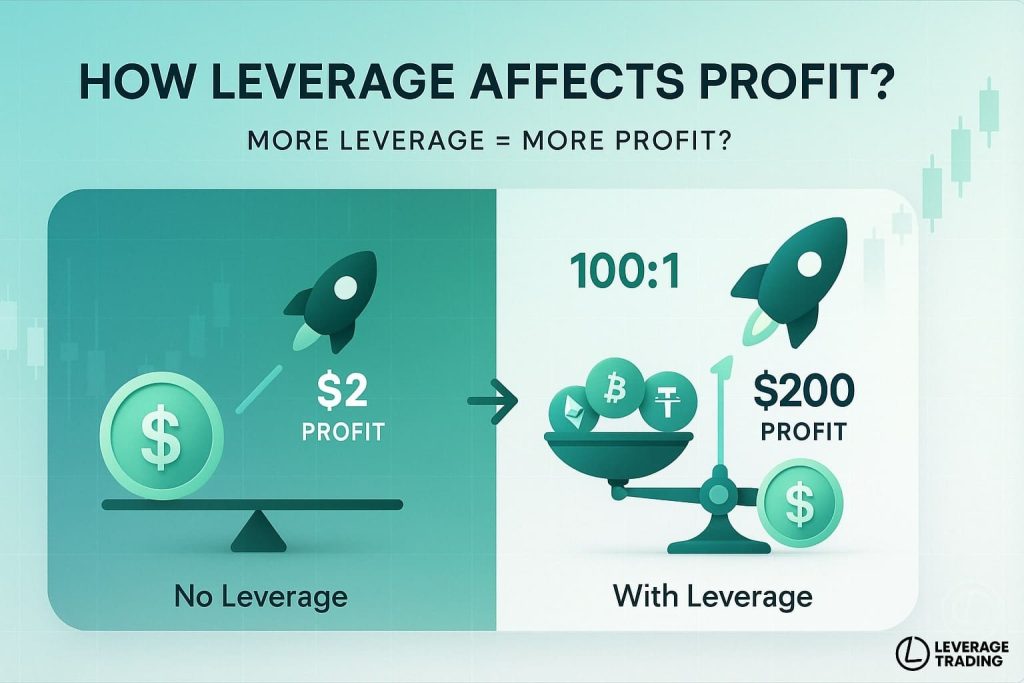
Leverage in trading acts as a double-edged sword, wielding the power to amplify profits while equally exacerbating losses. For traders aiming to transform modest accounts into sizable portfolios, leverage presents enticing opportunities. However, without disciplined risk management, the very same leverage can swiftly erode months of gains in the blink of an eye. Navigating this complex terrain demands a nuanced understanding of how leverage operates, its influence on capital, and the external costs that silently chip away at returns. In today’s dynamic market landscape, powered by platforms like Forex.com, IG Group, and Interactive Brokers, choosing the right leverage alongside credible brokers is pivotal to sustained success.
When traders embrace leverage, they enable themselves to control positions far exceeding their deposited capital. Yet, this magnification of buying power carries inherent risks, as even minute market fluctuations can induce significant financial volatility. This reality underscores the importance of brokers offering balanced leverage options, such as eToro or OANDA, where traders can access flexible margins with safeguards. Stories abound of traders entranced by the allure of high leverage—some offered by brokers like TD Ameritrade and ThinkMarkets—only to confront abrupt account liquidations due to underestimated market swings. Hence, mastering leverage is not solely about exploiting market opportunities; it’s equally about respecting its potential dangers.
How Leverage Amplifies Trading Positions and Potential Outcomes
Leverage enables traders to amplify their market exposure using a fraction of the required capital, but this amplification directly intensifies both gains and losses. For instance, with a $1,000 account balance, a 10:1 leverage allows control over $10,000 worth of assets, turning a modest 1% price move into a substantial 10% gain or loss on the actual margin. Brokers like Saxo Bank and Plus500 facilitate such arrangements but emphasize stringent margin requirements to protect trader capital.
Risks of High Leverage: The Path to Rapid Account Depletion
High leverage, while tempting, often leads traders into pitfalls characterized by magnified losses, margin calls, and increased trading costs. A mere 1% adverse market move can swiftly erode significant portions of a trader’s account. Platforms such as CMC Markets and Interactive Brokers highlight the critical interplay between leverage and transaction costs—spreads, commissions, and fees—which expand proportionally and can consume substantial portions of the trading margin, thereby lowering net profitability. Traders failing to incorporate adequate stop-loss strategies risk account wipeouts. This precarious balance between opportunity and risk demands keen awareness and disciplined management.
Strategies to Mitigate Leverage-Induced Risks and Enhance Trading Resilience
Effective leverage management hinges on limiting risk per trade, establishing robust stop-loss orders, and maintaining sufficient margin buffers. Whether using Forex.com’s trading platform or others like IG Group, proven tactics include starting with low leverage ratios such as 5:1 or 10:1, especially for novice traders, and incrementally scaling exposure as skills mature. Synchronizing leverage levels with market volatility is critical; high volatility assets typically warrant conservative leverage. Additionally, selecting brokers with low spreads and minimal commissions, as elaborated in broker spread importance analysis, can safeguard returns. These preventive measures not only reduce margin exhaustion but foster consistent trading performance over time.
Psychological Dimensions of Trading with Leverage
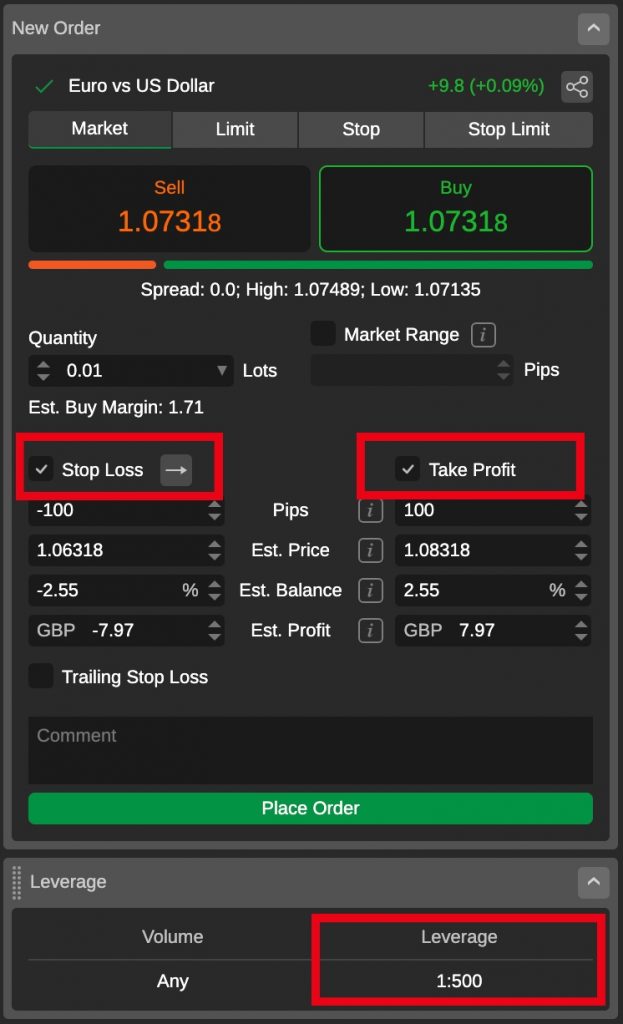
The emotional volatility induced by leveraged positions necessitates more than mathematical precision; it requires psychological resilience. Abrupt balance swings may provoke panic or overconfidence, derailing strategic discipline. Studies on psychology in trading reveal that controlled risk levels help maintain calmness and clarity, steering traders away from impulsive decisions. Comparing leverage levels such as 1:100 vs. 1:500—facilitated by platforms like TD Ameritrade or ThinkMarkets—illustrates how margin strains translate into mental pressure, evidencing that success in leveraged trading equally demands emotional mastery alongside technical acumen.
Understanding Broker Regulations and Their Role in Leverage Controls
Regulatory frameworks globally define leverage ceilings to protect investors from excessive risk. For example, U.S. regulators limit leverage to 50:1 on major forex pairs and 20:1 for minors, a principle embraced by brokerages operating within these jurisdictions including Forex.com and OANDA. Contrastingly, some offshore brokers advertise leverage as high as 500:1, enticing but perilous, often culminating in rapid account liquidation for unseasoned traders. Awareness of broker regulation status, such as those listed among regulated forex brokers, arms traders with an additional layer of defense in leverage management strategies.
Choosing the Right Broker to Maximize Leverage Benefits Safely
Selecting a broker that balances leverage offerings with reliable execution speeds and reasonable cost structures is essential. Leading platforms like Saxo Bank, Plus500, and CMC Markets emphasize transparency in fees, clear margin requirements, and educational resources to empower clients. Traders are encouraged to review detailed broker profiles to understand trade commissions and spreads fully, as highlighted in resources exploring broker fees and commissions. Tools provided by brokers like Interactive Brokers and IG Group enable real-time risk assessment, facilitating informed leverage use in fluctuating markets.
