
Selecting a broker equipped with the best educational content is no longer just a nice-to-have; it is an essential pillar for investors aiming to navigate the complex financial markets with confidence and strategy. In 2025, the landscape of online brokers is saturated with options, ranging from platforms that emphasize low-cost trading to those offering sophisticated technical tools. However, the differentiator that sets the most respected brokers apart is the depth and accessibility of their educational offerings. This is critical for both novice investors who need foundational guidance and seasoned traders seeking to refine their skills and stay updated with market dynamics. Platforms such as Charles Schwab and Fidelity stand out not merely because they facilitate trades efficiently but because they empower their users with rich, structured, and interactive learning experiences that evolve alongside market trends and investor needs.
The paradigm shift toward education-centric brokerage services reflects a broader understanding that successful investing extends beyond executing trades; it demands ongoing learning, analysis, and adaptation. Brokers integrating educational tools directly into their platforms significantly reduce the friction investors face when trying to translate theory into practice. This embedded knowledge infrastructure includes live webinars, interactive courses like those found at Interactive Brokers’ Trader’s Academy, real-time market analysis, and context-sensitive tips. Moreover, the juxtaposition of educational content with intuitive trading tools helps investors grasp complex concepts like options strategies, economic indicators, or fixed income markets, thus fostering a more informed and confident user base.
En bref :
- Top brokers excel in blending trade execution with comprehensive educational tools, including live sessions and on-demand courses.
- Platforms like Charles Schwab lead in delivering engaging, varied investor education that covers basics to advanced topics.
- Fidelity’s focus on fund investing and macroeconomic trends offers real-time insights that support strategic decision-making.
- Interactive Brokers provides accredited courses that build foundational knowledge essential for long-term success.
- Mobile-first brokers like Robinhood emphasize simplicity but may lack the depth needed for advanced learning.
Why Educational Content Is Crucial When Choosing a Broker in 2025
In a marketplace where commission-free trading has become the norm, the value proposition of a broker increasingly hinges on educational support and resources. Investors today demand more than just access to stocks, ETFs, and options—they seek partners who can cultivate their understanding and enhance their investment decision-making. Charles Schwab’s educational program exemplifies this shift: its extensive course catalog, live webinars with interactive Q&A, and seamless integration of learning directly within the trading platform create an immersive learning environment. These features help investors sharpen their skills while applying concepts in real time, a crucial advantage that fosters both immediate trading competence and long-term portfolio growth.
Meanwhile, platforms such as Fidelity extend their educational support with specialized content like fixed-income and options strategy courses, combined with tools that help interpret market movements and macroeconomic conditions. This holistic approach equips investors not only with trading tactics but also with the context necessary to understand broader financial cycles and trends. Contrast this with a broker like Robinhood, which focuses primarily on mobile access and simplicity. While excellent for ease of entry, such platforms often fall short in providing comprehensive educational content necessary for more advanced trading or diversified investing strategies. Investors looking to deepen their market expertise will find richer opportunities within brokers renowned for robust educational resources.
Interactive Learning as a Gateway to Better Investment Decisions
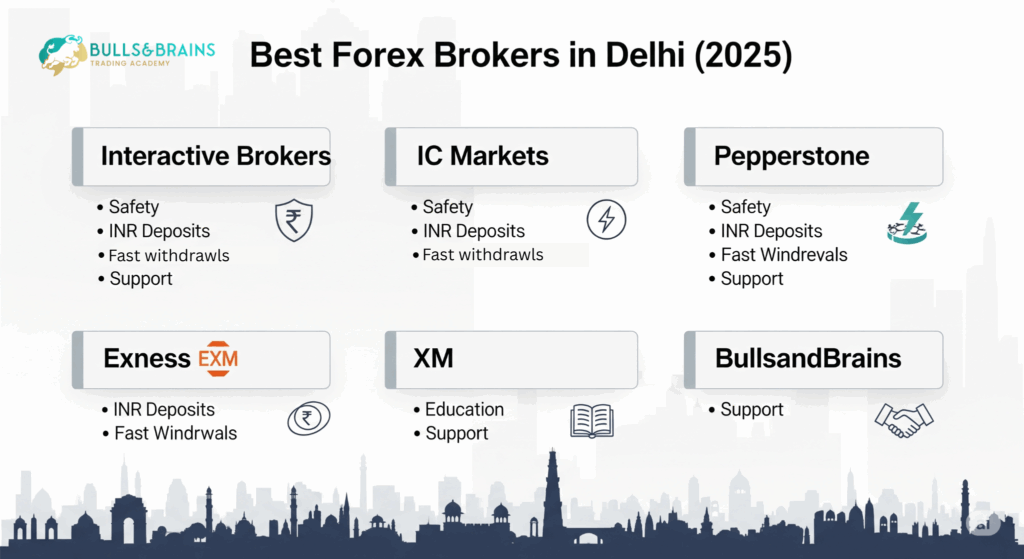
Investors engaging with brokerages offering interactive and accredited learning, such as Interactive Brokers, enjoy a structured path from basics to advanced trading. Their Trader’s Academy, with CFA-accredited courses, serves as a compounding knowledge resource that strengthens understanding step-by-step. From grasping market fundamentals to exploring AI investment opportunities, these educational resources help reduce costly mistakes by fostering a deeper comprehension of market mechanisms. This approach is invaluable in empowering both new and experienced investors to evolve in tandem with changing market conditions, thereby improving their long-term investment outcomes.
By weaving education directly into the trading interface, brokers like Merrill Edge enhance accessibility to learning without disrupting the user’s investment workflow. Tools such as the Options Strategy Assistant demystify complex trades, allowing investors to learn while they act. This seamless integration of education not only improves individual decision-making but also builds investor confidence, which is a crucial psychological factor in managing financial risk.
How Top Brokers Integrate Education Into Their Platforms
Comprehensive educational offerings manifest in diverse formats, including live webinars, video tutorials, interactive quizzes, and detailed market analyses. Charles Schwab’s educational content, which boasts thematic courses on economic indicators and bond markets, strategically uses progress tracking and assessments to boost engagement and retention. Fidelity’s multifaceted approach combines fund education with macroeconomic insights streamed via live sessions, aiding investors in understanding how global events influence their portfolios.
Accessibility plays a key role, as well. For example, E*TRADE prioritizes a user-friendly experience on both desktop and mobile platforms while presenting well-crafted educational materials such as fixed-income education and actionable insights derived from Morgan Stanley’s research. The synergy between education and trading tools here exemplifies how informed investors gain a competitive edge, which is vital in today’s volatile markets.
Balancing Accessibility and Depth: The Spectrum of Broker Education
Brokers that emphasize educational content appeal to different investor segments by tailoring their offerings. For example, while SoFi and Public.com integrate social and financial ecosystem features supporting beginners’ confidence-building, more traditional brokers like Charles Schwab and Fidelity deliver depth that appeals to investors aiming to refine strategies.
Additionally, brokers such as IG, CMC Markets, and Saxo Bank integrate robust educational resources specifically tailored to the complexities of forex and CFD trading. These platforms bridge the gap between the high risk and the high reward nature of these markets by promoting informed trading practices.
Choosing a broker with a commitment to education means opting for a platform that not only facilitates trades but also builds the investor’s capability to adapt and thrive. This aspect should weigh heavily in investors’ decision-making process, alongside cost, usability, and product range. For investors eager to find brokers that excel in education and support, resources listing the best brokers for education and compare broker reviews offer invaluable guidance.
