
In the ever-evolving landscape of online trading, selecting the right broker can dramatically influence an investor’s success. Brokers such as Charles Schwab and Fidelity stand out in 2025 for their comprehensive services, from commission-free trading to robust educational platforms that empower traders of all levels. Yet, the plethora of choices and myriad features make it essential to dissect broker reviews critically. By examining key factors like trading fees, user experience, regulatory compliance, and additional offerings, investors can navigate reviews with a discerning eye. Platforms like Investopedia and NerdWallet offer detailed breakdowns, while Trustpilot and Forex Peace Army provide invaluable user-generated insights that reflect real-world experiences. Navigating these resources effectively means understanding the nuance between commission-free trades, asset types supported, and the quality of customer support. Beyond superficial star ratings, deeper scrutiny into broker reputations, fee structures, and platform usability ensures that every trader finds a fit that aligns precisely with their investment style and goals.
The essential challenge lies in sifting through a flood of information to uncover the truth behind promotional narratives. The choice between brokers such as Interactive Brokers, renowned for advanced trading tools suited for seasoned traders, and Webull, favored by day traders for its vibrant in-app community, rests on nuanced criteria. For instance, while many tout zero commission as the pinnacle of affordability, hidden fees like withdrawal charges or inactivity penalties can alter the cost equation significantly. Furthermore, assessing a broker’s regulatory status through databases accessible via regulated forex brokers ensures that protective measures such as SIPC insurance are in place, safeguarding trader assets. Bright-line differentiators, including accessibility of advisory services or the presence of innovative social investing features, add further complexity to the decision-making process. Effectively reading and comparing reviews requires an analytical approach—understanding not just what a broker offers, but how these offerings resonate with personal priorities ranging from long-term wealth building to active day trading.
Decoding Broker Reviews: Key Factors to Prioritize in 2025
A critical eye on broker reviews must focus on several pivotal aspects to distinguish the genuinely excellent from the simply adequate. Transparency in fee structures—including commissions, spreads, and potential hidden charges—is paramount. Brokers like Charles Schwab maintain appeal with $0 commissions on a wide range of assets, but additional fees in areas such as futures trading can catch investors unaware. Additionally, the availability of various trading platforms—mobile and desktop—and their usability substantially influence investor satisfaction, as highlighted in detailed assessments on trading platform checklist resources.
Further scrutiny should be directed at educational content and investor support services. For example, Fidelity excels with its Learning Center, but lacks paper trading capabilities, which can be pivotal for novices seeking risk-free practice environments. Meanwhile, brokers like Webull foster community-driven learning via interactive features and competitions, underscoring the value of social trading platforms in the modern brokerage ecosystem. Cross-referencing consumer sentiment via platforms akin to Trustpilot or BrokerChooser assists in gauging consistently positive or negative feedback trends, which may not be immediately apparent in polished marketing reviews.
Understanding Fee Structures and Their Impact on Trading Success
While zero commission trades become increasingly common, the importance of grasping the nuances of fees cannot be overstated. Investors must analyze commission models carefully since some brokers impose contract fees for options trading—often around 60 cents per contract—as explained in broker commissions explanations. Beyond commissions, withdrawal and transfer fees can significantly affect overall trading costs. Notably, brokers like Charles Schwab and Fidelity waive withdrawal fees, reinforcing their appeal to traders who value liquidity and ease of access.
Inactivity fees present another critical consideration. Whereas many top-tier brokers do not penalize inactivity, platforms like eToro and TradeStation impose inactivity fees, a detail that can dramatically alter cost-benefit calculations for casual investors. Ultimately, the optimal broker balances low fees with valuable features, tailored service, and the investor’s trading frequency and style.
Leveraging User Reviews and Expert Analyses for a Well-Rounded Broker Comparison
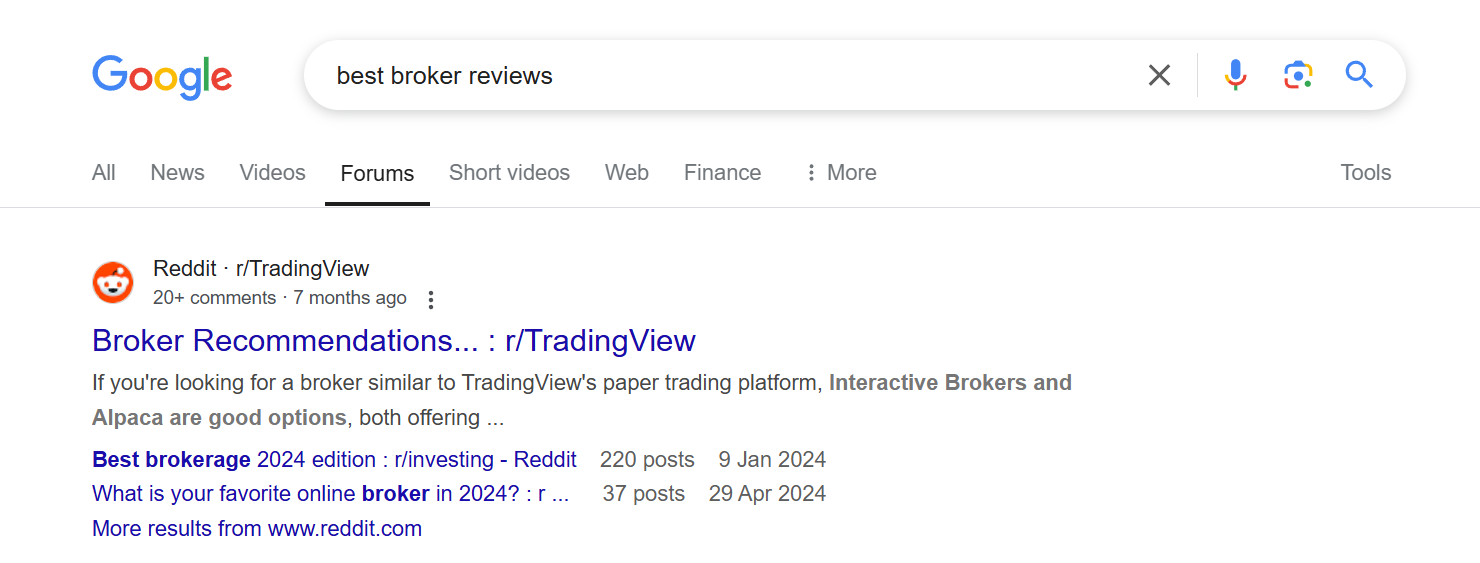
Integrating perspectives from user reviews and expert critiques yields a robust framework for broker evaluation. User feedback on platforms such as Forex Peace Army and Forex broker review guides highlight real-world broker reliability and customer service quality. These community-driven ratings complement authoritative insights from StockBrokers.com and CompareBrokers.co, which offer methodical breakdowns of broker features and fees. This dual approach helps illuminate discrepancies between marketing claims and actual user experiences.
Moreover, considering brokers’ risk management procedures and regulatory compliance is crucial. Trustworthy brokers should be registered with major regulators like the SEC and FINRA, and display clear information regarding SIPC insurance coverage to reassure investors about fund protection. Investors are advised to access resources on how to ensure safety on platforms via regulated broker safe trading insights.
The Role of Community and Social Trading Features
The increasing digitization of trading has nurtured broker platforms that support active investor communities. eToro stands out for its social investing features, allowing traders to interact and mimic strategies through its CopyTrader program, which aligns with a growing demand for collaborative learning in trading. Similarly, Webull offers a dynamic in-app community and even paper trading competitions, enabling investors to refine skills while engaging socially. These features add layers of value that transcend traditional trading functionalities and appeal to varied investor profiles.
