

In 2025, navigating the world of exchange-traded funds (ETFs) requires more than just picking a popular broker; it necessitates choosing a platform tailored to the unique needs and learning curve of beginner investors. Newcomers to ETF trading face a vast marketplace filled with options varying in fee structures, educational support, and platform usability. Discerning the best brokers means assessing not only low commissions and extensive ETF selections but also the level of guidance, ease of use, and tools provided to build confidence and competence.
The landscape is dominated by firms such as Fidelity, Charles Schwab, and E*TRADE, all delivering commission-free trading paired with robust educational material. Meanwhile, platforms like Robinhood and Webull appeal with user-friendly mobile interfaces and community-driven learning environments. Whether a beginner desires hands-on trading with research-rich platforms or social trading experiences, the critical takeaway is choosing a broker that aligns with one’s investing style and risk tolerance. Investors poised to harness these resources effectively can accelerate their journey toward building diversified, cost-efficient portfolios.
In brief: Leading brokers for ETF trading beginners emphasize zero-commission structures, comprehensive educational resources, and intuitive trading platforms. Firstrade attracts with cost-effective options, Charles Schwab impresses with advisory services, and eToro fosters social investing communities. Understanding fee nuances, platform features, and customer support availability are key to navigating this path confidently. For those eager to start investing without heavy upfront costs, options like SoFi Invest and Ally Invest provide accessible entry points. Ultimately, selecting a broker that delivers transparency, reliability, and tailored beginner tools will position investors for sustained success in ETF trading.
How Fee Structures Shape the ETF Trading Experience for Beginners
In the modern investment environment, fee transparency and minimization are paramount for those just starting with ETFs. Most top-tier online brokers, such as Fidelity and Charles Schwab, have eliminated traditional commissions on stock and ETF trades, dramatically lowering entry barriers. This democratization means newcomers can build portfolios without fear of eroding their capital through high trading costs.
However, nuances remain: options contracts may still incur per-contract fees at platforms like E*TRADE, while Firstrade stands out by charging no options contract fees, a rarity among its peers. Understanding these subtleties helps novices avoid surprised expenses and optimize their trading strategies accordingly. Fee structures extend beyond commissions — inactivity fees, withdrawal charges, or account management costs can also impact long-term investment profitability. Hence, a comprehensive grasp of each broker’s pricing system is foundational for prudent investing.
The Role of Educational Resources and Platform Usability in Building Trader Confidence
For beginners, access to quality educational content transforms the daunting task of ETF trading into a manageable and inspiring endeavor. Brokers like Fidelity and Charles Schwab distinguish themselves with extensive libraries encompassing articles, webinars, and walkthroughs that methodically cover ETF fundamentals, market trends, and investment strategies.
Platforms such as Webull and Robinhood further enhance learning by fostering vibrant communities and social features, enabling new investors to exchange ideas and observe real-time trading activities. The intuitive design of trading apps, including mobile-optimized versions, ensures that grasping complex concepts is aided by user-friendly interfaces. Beyond education, these brokers provide starter guides and sometimes simulated trading environments, crucial for practicing without financial exposure.
Ultimately, a brokerage’s commitment to beginner-oriented resources directly correlates with trader confidence and retention, making it a decisive component in broker selection.
Aligning Investment Access and Advisory Services with Beginner Needs
While commission-free trading is a must, the breadth of investment options and availability of advisory services elevate a broker’s appeal to newcomers. Platforms like Charles Schwab and Fidelity offer a wide range of ETF choices alongside stocks, mutual funds, and bonds, supporting diversified portfolio construction from the outset. Importantly, their tiered advisory services, including robo-advisors and personalized wealth management, provide tailored guidance scaled to different investor profiles and experience levels.
Contrastingly, brokers such as Robinhood focus on simplified trading experiences without in-depth advisory or mutual fund offerings, catering to casual investors comfortable with self-directed choices. For beginners who may eventually seek professional advice, the presence of in-house advisors or automated portfolio management can significantly improve long-term outcomes.
Therefore, assessing both product varieties and support structures is essential to selecting a brokerage that evolves with the investor’s growing sophistication.
Mobile Trading and Community Engagement as Catalysts for Beginner Investor Engagement
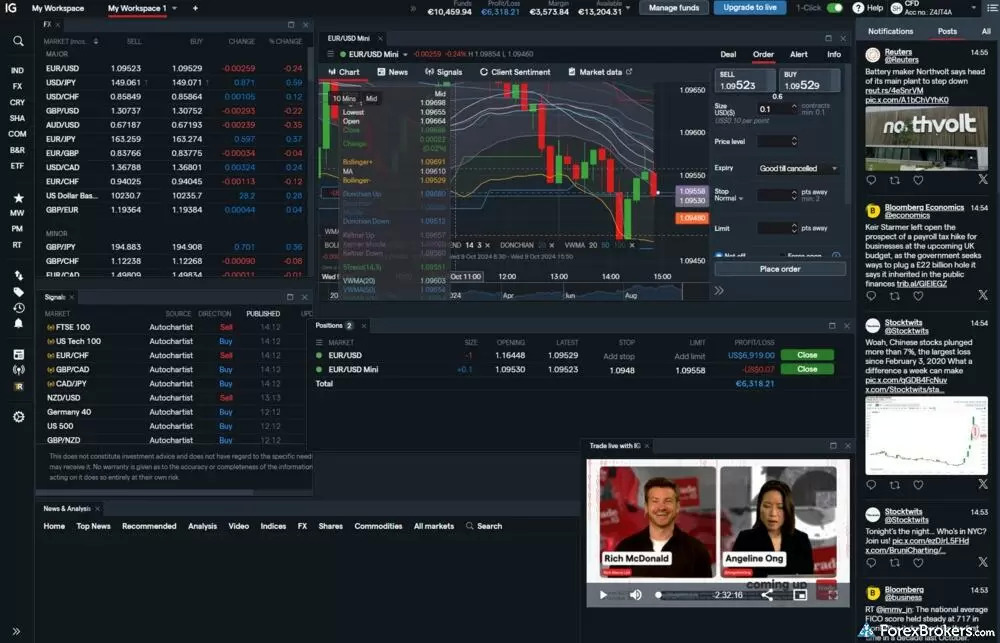
In 2025, mobile trading platforms are not merely conveniences but essential tools that enable beginners to engage with markets anywhere and anytime. Brokers like Webull and Robinhood excel with streamlined apps that combine simplicity with powerful features such as real-time data, customizable alerts, and fractional share purchasing, vital for small-scale investors.
Additionally, the social communities within these apps cultivate peer learning, an influential factor in maintaining investor motivation and accelerating skill development. These community features also demystify market movements and trading strategies by exposing beginners to diverse perspectives and collective insights.
On the other hand, firms like Fidelity and Charles Schwab balance mobile convenience with professional-grade analytical tools, serving those who anticipate scaling their investment complexity over time. The mobile revolution in brokerage services ultimately empowers beginner traders to seamlessly integrate investing into their lifestyle, breaking down barriers of accessibility and experience.
