
Choosing the right brokerage account in 2025 requires navigating a broad landscape of options tailored to diverse investment styles and goals. From traditional full-service firms offering personalized financial advice to the rise of robo-advisors automating portfolio management, the variety of account types reflects the evolving needs of investors. Platforms like Interactive Brokers and Charles Schwab lead in offering robust discount brokerage services, while innovative apps such as Robinhood have popularized commission-free trading and democratized market access. Amid these choices, understanding the distinctions between cash accounts and margin accounts, as well as the differences between standard brokerage accounts and retirement-focused IRAs, becomes critical.
Beyond just cost and service levels, investors must also weigh elements like asset protection through the Securities Investor Protection Corporation (SIPC) and the nuances of order execution speeds or asset availability. The emergence of online brokers like E*TRADE and platforms such as TD Ameritrade highlight the ongoing digital transformation empowering self-directed trading with advanced research tools. This complex ecosystem demands a strategic approach to account selection, balancing fees, features, and risk management to best fit individual financial ambitions.
How Different Brokerage Account Types Align With Investment Goals
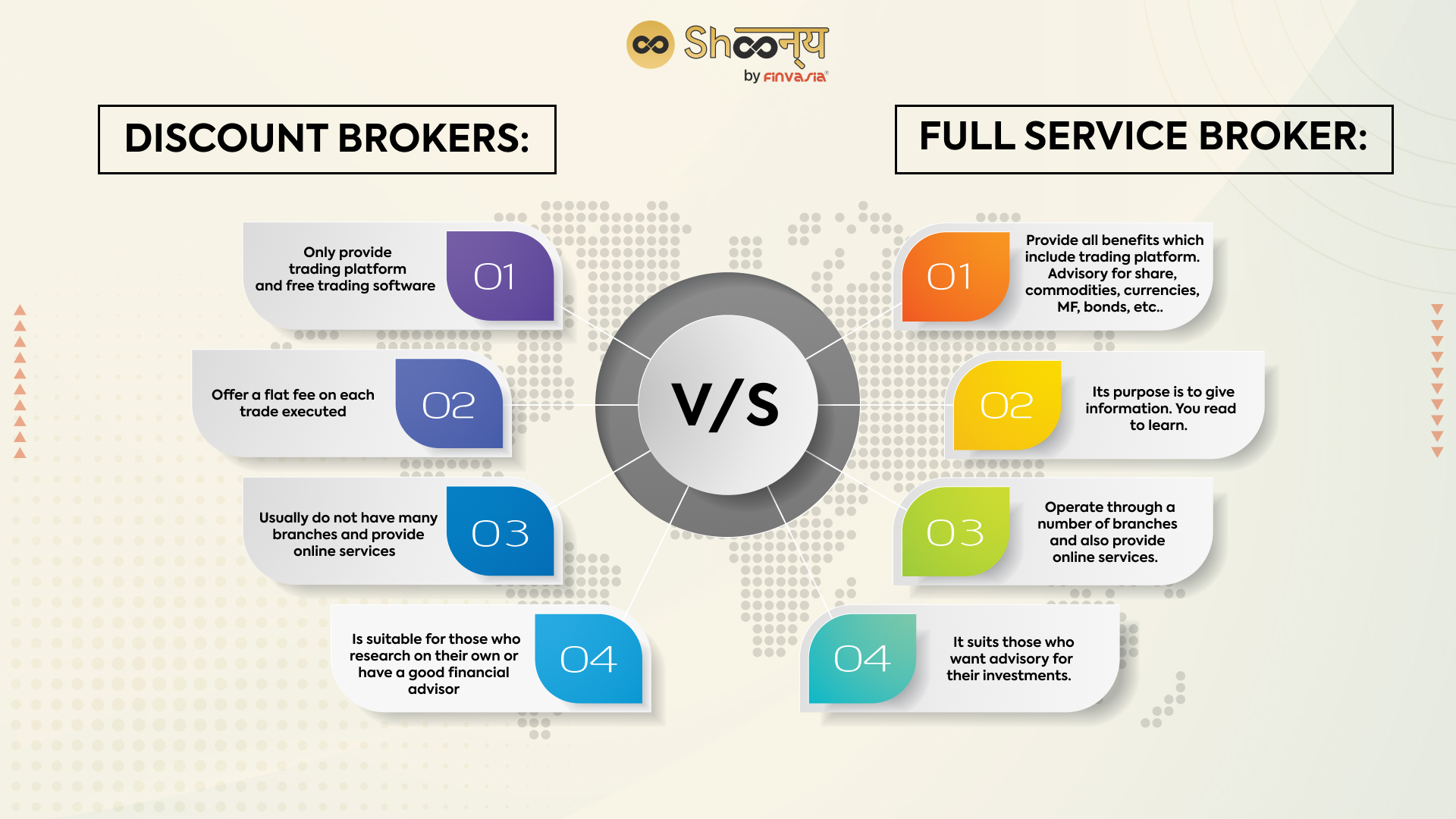
Brokerage accounts provide the fundamental gateway to investing, allowing individuals to buy, hold, and sell securities ranging from stocks and bonds to ETFs and mutual funds. Full-service brokerage accounts cater to investors seeking comprehensive advisory services, wherein professionals craft investment plans and execute trades on their clients’ behalf, typically charging higher fees and requiring larger initial deposits. Giants in this area such as Charles Schwab and regional advisors continue to serve investors prioritizing personalized service over cost efficiency.
On the opposite end, discount brokerages like Fidelity provide an economical solution for self-directed traders, often with zero commission on stock and ETF trades. This suits investors who possess the knowledge and confidence to manage their portfolios independently, though they must pay careful attention to liquidity and trading complexities. Notably, platforms such as Interactive Brokers and IG Group offer extensive product array and competitive pricing, especially beneficial for active traders and those leveraging international markets.
The Rise of Robo-Advisors and Online Brokerages
Automated investing via robo-advisors represents a popular streamlined path for hands-off investors focused on cost-effective portfolio management. Services charging nominal fees, typically between 0.25% and 0.50% annually, utilize algorithms to balance asset allocations based on individual risk profiles. Individuals new to investing or with modest portfolios often find this option attractive, offering a low barrier to entry without sacrificing financial sophistication.
Complementing this, online brokers have revolutionized trading accessibility, with platforms like Robinhood, TD Ameritrade, and CMC Markets offering intuitive interfaces paired with no-commission trades, rapid order execution, and educational resources. These brokers enable active traders to employ advanced strategies, including margin trading and options, provided they understand the inherent risks and comply with regulatory requirements.
Understanding Margin Accounts Versus Cash Accounts
A foundational distinction in brokerage account types lies between cash accounts and margin accounts. Cash accounts restrict trading to the funds deposited by the investor, preventing short-selling or leverage usage. They are often recommended for beginners or conservative investors seeking straightforward market participation without borrowing risks.
Margin accounts, conversely, enable clients to borrow funds from their broker to amplify trading capacity. While this leverage can increase potential returns, it also magnifies risks. Margin calls, triggered when account equity falls below certain thresholds, compel investors to inject additional funds or risk forced liquidation. Brokers like Saxo Bank and FOREX.com provide sophisticated margin account options, particularly appealing to experienced traders engaging in high-frequency or futures trading, but caution and education are paramount.
Choosing Between Standard Brokerage and IRA Accounts for Different Financial Planning
Investors also face decisions regarding account structure with options including standard taxable brokerage accounts and Individual Retirement Accounts (IRAs). Regular brokerage accounts offer flexible contributions and withdrawals, but investment earnings are subject to taxes. Aligning with diverse financial objectives, these accounts support both short-term goals and long-term wealth accumulation.
IRAs, in contrast, provide tax advantages conducive to retirement savings, with limits on annual contributions and penalties for early withdrawals before age 59½. Traditional IRAs allow tax-deductible contributions with taxable withdrawals, whereas Roth IRAs require after-tax contributions but offer tax-free withdrawals. Selecting the appropriate IRA type depends on anticipated future tax rates and income needs, underscoring the necessity of personalized strategy discussions typically available through brokers like Fidelity or regional financial advisors.
