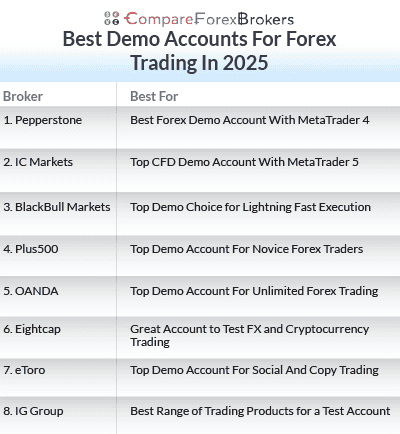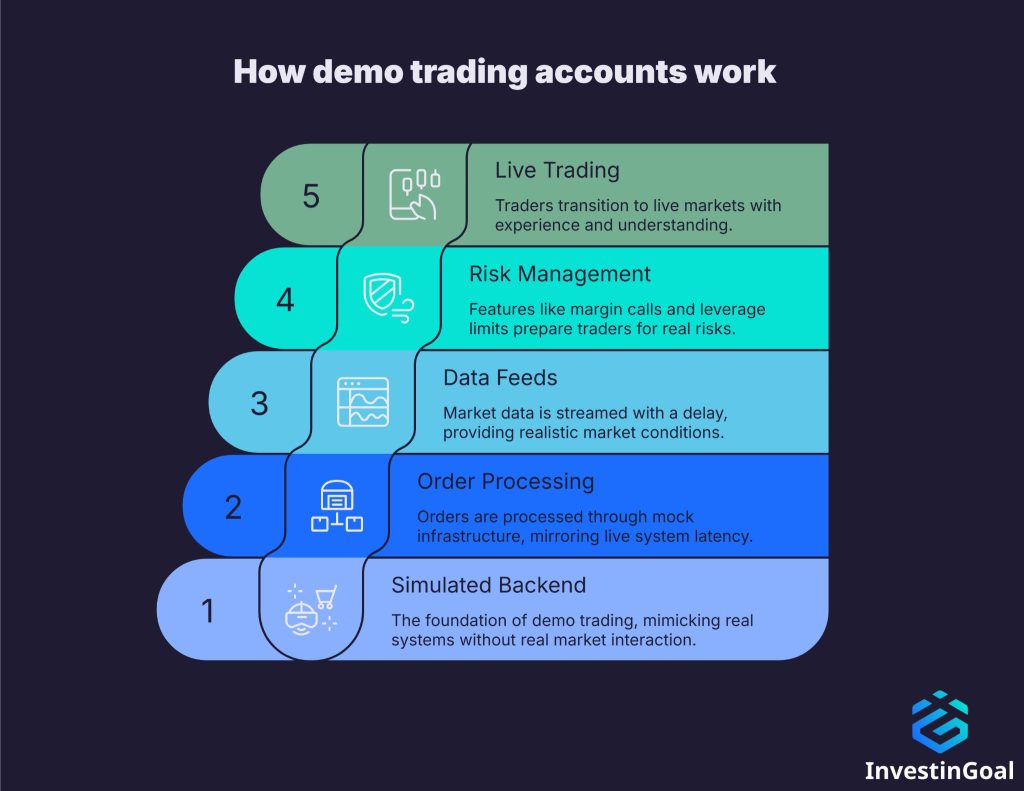
In the rapidly evolving trading landscape of 2025, mastery over demo trading accounts is no longer a novice’s playground but a strategic asset for traders aiming for excellence. Platforms such as MetaTrader, Thinkorswim, and TradingView lead a revolution by offering sophisticated environments that closely mimic live trading dynamics without financial risk. Harnessing a demo account effectively means transcending the mere simulation of trades; it involves rigorous testing of execution tactics, broker reliability, and strategy robustness under realistic market pressures. By immersing themselves in these virtual arenas, traders can sharpen their skills against the backdrop of real-time price fluctuations and platform responses. The transformative power of demo accounts lies in their capacity to serve as a crucial laboratory where theories are stress-tested, automated systems are refined, and new broker platforms like Interactive Brokers or eToro are vetted carefully. Such environments offer a unique space to analyze spread variations, practise risk-adjusted position sizing, and evaluate order execution speed — factors that define success in live markets.
In brief:
– Demo accounts bridge the gap between theory and market reality by providing controlled, risk-free environments.
– They enable the testing of both manual and automated strategies across various market conditions and timeframes.
– Quality of demo platforms varies; choosing providers like Saxo Bank ensures realistic data and functional features.
– Demo trading cultivates discipline through structured plans and precise execution, critical for transitioning into real trading.
– Importantly, demo accounts reveal the subtle mechanical and emotional divergences that impact actual trading performance, preparing traders for high-stakes decision-making.
Leveraging Demo Accounts to Mirror Live Market Conditions
Today’s traders must contend with lightning-fast spreads and sophisticated algorithmic environments, intensifying the demand for accurate practice spaces. Demo accounts from platforms like IG and NinjaTrader enable traders to simulate the urgency and execution nuances of live sessions. Crucial to this process is selecting a demo account that replicates real-time pricing and platform features faithfully. Unlike outdated simulations, professional-grade demo accounts incorporate variable liquidity and dynamic market movements, vital for evaluating how trading systems behave when confronted with volatility or high-frequency demands. This real-time feedback loop is indispensable for fine-tuning entry and exit rules and stress-testing reactions to market swings. Traders leveraging these accounts can identify execution delays, slippage, and platform quirks that often skew results—a dimension often overlooked but pivotal for high-frequency traders relying on millisecond accuracy.

Assessing and Comparing Broker Performance Using Demo Accounts
The choice of broker impacts execution quality and overall trading outcomes significantly. Demo trading allows for a no-risk evaluation of brokers’ order processing speeds, pricing structure, and platform responsiveness. For example, testing brokers on execution speed helps traders avoid costly delays during critical market movements. Moreover, demo environments provide buyers with insights into nuanced features such as chart customisation from platform feature sets, alerts, and the interaction between automation tools and order types. These features are often only fully appreciable through active, simulated use. Selecting brokers from platforms with a reputation for transparency and quality, such as those highlighted in the regulated forex brokers list, ensures that demo conditions closely approximate live circumstances, minimizing unexpected surprises when funds are at stake.
Maximizing Strategy Development and Automation Testing
Demo accounts are invaluable for traders deploying automated strategies, including Expert Advisors and custom bots. These virtual environments facilitate rigorous testing without financial pressure, allowing errors to surface safely. Automation failures — such as errant position sizing or misaligned exit triggers — are common pitfalls that can be costly if discovered only in live trading. Platforms like TD Ameritrade and Plus500 offer demo systems rich in API integration and custom scripting tools, enabling traders to debug and refine their bots against realistic price actions, including rare events like price gaps or volatility spikes.
This process is critical because automation that performs well in backtesting may behave unpredictably in live conditions due to factors like latency or platform-specific order routing mechanisms. With a demo account, traders can also compare how their automation copes under diverse market environments and ensure compatibility with multiple trading indicators or risk management overlays. Such vigilance is crucial to mitigating risks inherent in automated trading and aligns with insights from the automated trading pros and cons guide.
Bridging the Emotional Gap Between Demo and Live Trading
While demo accounts provide perfect testing grounds, the psychological pressure of trading real capital cannot be underestimated. Traders must approach demo trading with genuine discipline, applying real stop loss and take profit orders, and maintaining position sizing reflective of real market exposure. This serious mindset aids in approximating the emotional challenges of live trading, including managing fear and greed which are often muted in practice sessions. Building this habit accelerates readiness for live environments and reduces the likelihood of impulsive decisions influenced by emotions.