

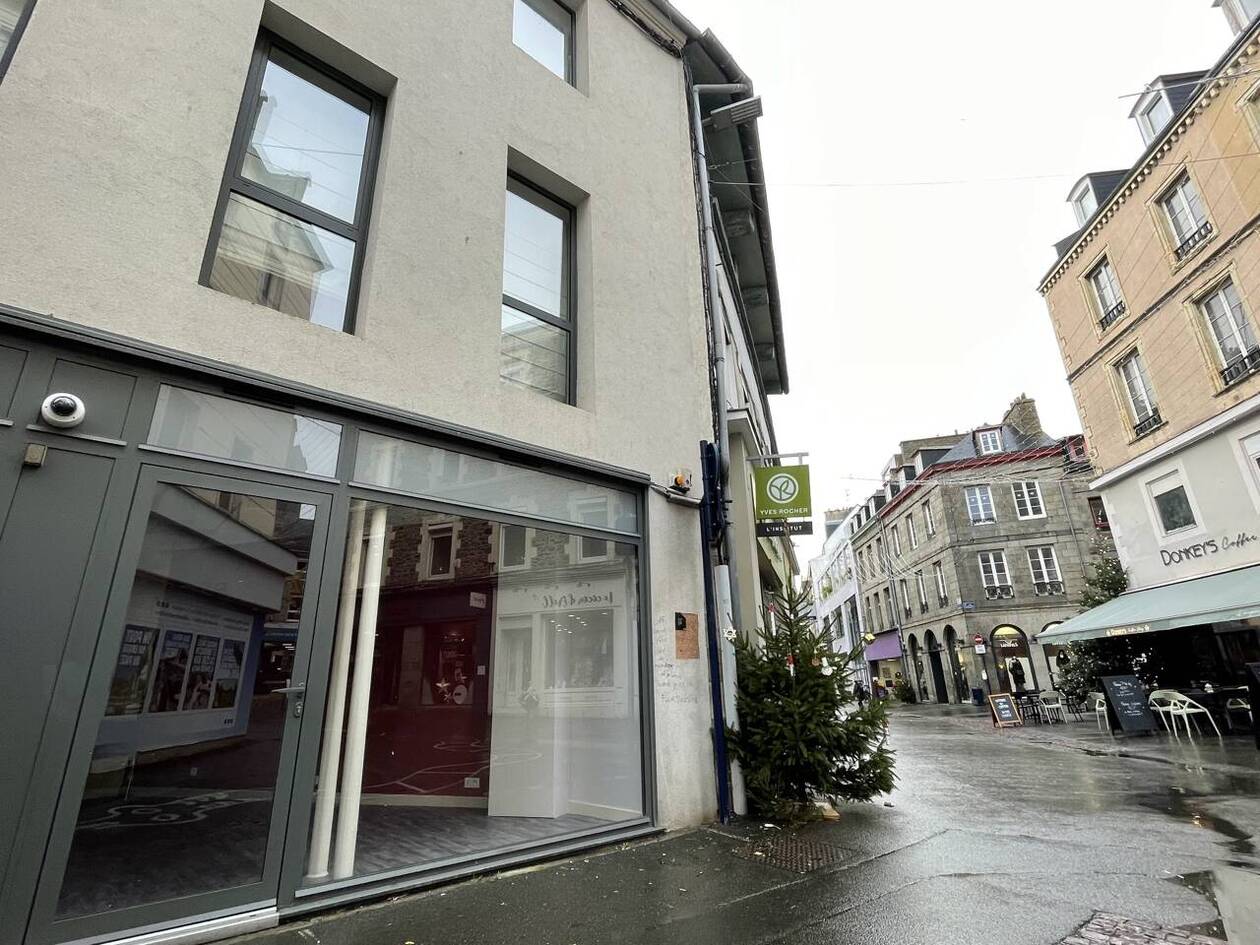
The commercial landscape of Saint-Brieuc stands at a pivotal crossroads, a reflection of broader challenges facing many mid-sized urban centers in 2026. Once bustling streets now reveal an unsettling number of vacant storefronts, casting shadows over the city’s economic vitality. The issues afflicting Saint-Brieuc are symptomatic of deeper structural problems: declining foot traffic due to changing consumer habits, competition from e-commerce, and a shifting urban development paradigm that struggles to keep pace with community needs. Yet, rather than resign to despair, the city’s candidates are stepping forward with diverse solutions aimed at breathing new life into the local business ecosystem. These proposals emphasize economic recovery, community engagement, and strategic urban planning tailored to invigorate the downtown area. However, the reality remains complex: how to balance legacy businesses with innovative retail formats, and how to ensure that revitalization efforts translate into sustainable growth rather than short-lived fixes? As proposals unfold, they echo similar patterns of struggle and resilience seen in other regions grappling with market challenges, such as in Lyon or Orne, where commercial crises have forced stakeholders to rethink traditional approaches. The trajectory of Saint-Brieuc’s commerce will depend on collaborative strategies that address not only the economic but also the social fabric of the city, ensuring that the local business environment becomes a thriving hub once more.
Brief: The commercial situation in Saint-Brieuc reflects a wider issue facing medium-sized cities confronting shifting retail landscapes. Key points include the rise in shop closures and vacant premises, the need for innovative business revitalization strategies, the importance of community engagement in urban development, and the role of candidate proposals in charting the city’s economic recovery path. These local dynamics resonate with national trends seen in areas like Lyon’s commercial crisis and the challenges of village store closures. Together, they highlight the necessity for multidimensional solutions to enable sustainable growth and renewed consumer confidence.
Urban Development Strategies Driving Saint-Brieuc’s Economic Recovery
At the heart of any effort to revitalize Saint-Brieuc lies the necessity for a comprehensive urban development plan that aligns with modern consumer expectations and the demands of contemporary local businesses. Candidates advocate for transforming the city center into a mixed-use environment that balances retail, cultural, and residential uses. This approach aims to increase foot traffic by creating a vibrant atmosphere beyond simple commerce, making Saint-Brieuc a destination rather than a pass-through zone. Successful examples from other regions support this, where projects integrating public spaces with retail have led to measurable increases in local business revenue. The proposed redevelopment projects focus on leveraging technology to enhance community engagement and establish digital platforms that support local merchants, thereby modernizing commerce without forsaking its roots. Lessons drawn from similar urban interventions emphasize the importance of collaboration between city planners, businesses, and residents to ensure adaptive solutions that can withstand evolving market challenges.
Candidate Proposals for Business Revitalization and Support
Among the myriad proposals tabled, a common thread is the drive for targeted support mechanisms for local businesses struggling to stay afloat. Suggestions range from financial incentives to reduce the burden of rising rents and operating costs, to creating incubators that foster innovation within the retail sector. There’s also an emphasis on boosting local supply chains to reduce dependence on external suppliers, thus strengthening the city’s economic roots. Some candidates suggest implementing a city-wide marketing campaign aimed at repositioning Saint-Brieuc as a dynamic retail hub with a distinct identity that sets it apart from other regions. These initiatives are designed to tackle the fundamental causes of declining commerce seen across France, as illustrated by experiences from retail decline in Paris and other marketplaces. A notable comparison can be drawn with the situation discussed in a recent study on Parisian retail challenges, highlighting common strategies that might prove effective in Saint-Brieuc’s context.
Addressing Market Challenges Through Community Engagement and Local Business Empowerment
Commercial viability in Saint-Brieuc depends heavily on reconnecting with the community and fostering greater participation in local economic life. Encouraging residents to prioritize neighborhood shops, participate in local events, and champion small enterprises is viewed as essential to reversing the downward spiral. Candidates suggest the implementation of educational outreach and public-private partnerships that provide local entrepreneurs with skills and resources to adapt swiftly to changing market demands. Additionally, there is a growing consensus on harnessing the power of digital tools to bridge the gap between businesses and consumers, facilitating access to e-commerce and mobile platforms tailored to local markets. This aligns with broader trends in urban centers where combining physical and digital retail experiences has led to rebound effects in customer interest. The success stories from other regions that have introduced similar mechanisms offer a blueprint for Saint-Brieuc to engage its community effectively and revitalize its economic landscape.
