

As the European Union and India edge closer to concluding what is anticipated to be one of the largest free trade agreements globally, the stakes extend beyond mere tariff reductions. This landmark trade pact, poised for finalization in early 2026, is set to redefine bilateral relations by creating enhanced market access for businesses on both sides. Amid ongoing negotiations that have spanned years, the agreement promises to foster deeper economic partnership across multiple sectors, while navigating complex issues such as agricultural protections and the integration of mobility protocols for professionals.
Beyond the commercial implications, this evolving pact also encapsulates strategic cooperation in areas like maritime security, cybersecurity, and counterterrorism efforts, signaling a comprehensive approach to international trade that aligns commercial interests with geopolitical stability. As leaders like Ursula von der Leyen and Antonio Costa prepare to sign this pivotal accord, the EU-India collaboration embodies a nuanced response to shifting global trade dynamics, particularly against the backdrop of rising protectionism elsewhere.
Significance of the EU-India Free Trade Agreement in Global Trade Dynamics
The impending Free Trade Agreement between the EU and India represents not just a commercial milestone but a strategic pivot in global economics. With bilateral trade in goods surging to around 120 billion euros in 2024 and an additional 60 billion euros in services, this pact is set to unlock new opportunities for exporters striving to circumvent punitive tariffs introduced by third-party nations, particularly the United States. This development places India and the EU on a competitive footing within international markets, enabling firms to capitalize on emerging trends and mutual growth prospects.
However, the deal’s success hinges on reconciling contentious issues like India’s desire to shield its vital agricultural sector. The sensitivity surrounding reforms in dairy and cereals is amplified by their electoral significance, underscoring the intricate balancing act that trade negotiators face. Nevertheless, the evolving agreement symbolizes an intent to broaden collaboration, affirming that economic partnerships are not solely about lowering trade barriers, but about fostering resilience and diversification in a volatile global marketplace.
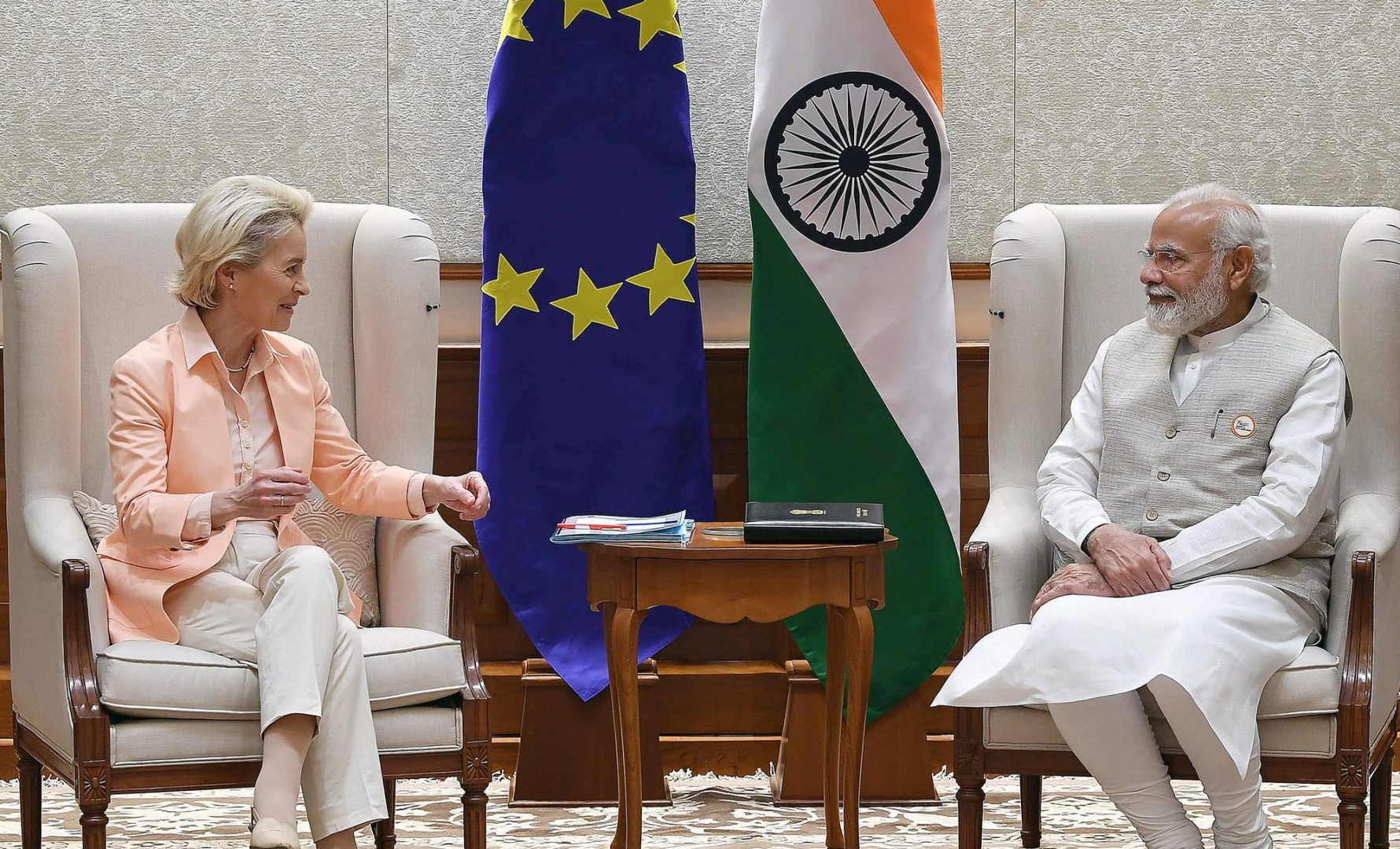
Strategic Dimensions Beyond Market Access
While the trade aspects take center stage, the announcement of a parallel security and defense partnership signals a multidimensional approach to this alliance. Faced with unprecedented pressures on the rules-based international order, the EU and India aim to solidify cooperation in maritime security, cybersecurity, and counterterrorism – pivotal sectors that safeguard trade routes and digital infrastructure critical for sustained economic interactions.
The proactive stance in defense cooperation complements the commercial framework by ensuring that bilateral relations are underpinned by shared security objectives. This synergy enhances the strategic autonomy of both parties, as they navigate an increasingly multipolar world. The forthcoming signature of this defense partnership alongside the Free Trade Agreement exemplifies a comprehensive blueprint for collaboration that transcends conventional economic ties.
Implications for Skilled Mobility and Sectoral Integration
Another critical facet of the negotiations involves establishing protocols to facilitate mobility for skilled workers, researchers, and students. This addresses India’s aspirations to enable easier recruitment of tech specialists and engineers in Europe, thus deepening knowledge exchange and innovation within the bloc. By fostering such human capital flows, the deal seeks to enhance sectoral integration, enabling businesses to leverage diverse talents in an evolving digital economy.
This measure also reflects broader trends in international trade where improved cooperation increasingly includes people-to-people connections, complementing goods and services exchanges. Such initiatives can accelerate the development of robust ecosystems conducive to sustainable growth and competitiveness on both sides.
Analyzing the Broader Context of International Trade Negotiations
The EU-India agreement exemplifies the complex interplay of diplomacy, economics, and strategy in contemporary trade negotiations. As global trade tensions persist, particularly with unpredictable shifts like those highlighted in the Trump-Ukraine negotiations, there is a growing imperative for stable, well-negotiated pacts that can withstand geopolitical headwinds.
Furthermore, lessons from agreements such as the Mercosur trade pact highlight the importance of meticulously managing diverse interests to achieve sustainable trade partnerships. With emerging sectors like cryptocurrency and digital assets increasing in relevance, as discussed on cryptocurrency brokers for beginners platforms, modern trade deals require adaptable frameworks.
To navigate these complexities successfully, avoiding common pitfalls detailed in sources like broker picking mistakes offers valuable insights. This awareness is crucial for stakeholders in both the EU and India to maximize the benefits this transformative agreement promises while mitigating risks inherent to expansive economic endeavors.
