
In the evolving landscape of labor relations, experienced employees have emerged as a crucial element underpinning triennial negotiations at both the branch and company levels. The latest regulations, effective since late 2025, mandate that these negotiations be grounded in a robust and data-driven diagnostic that thoroughly assesses the employment conditions and workplace experience of senior staff. By anchoring discussions in concrete indicators derived from comprehensive internal data sources, stakeholders ensure that negotiation strategies address real challenges and opportunities, fostering more precise and constructive corporate agreements.
This paradigm shift highlights the indispensable role of employee expertise in shaping sustainable employment frameworks. Both sector-wide and organizational talks now rely heavily on these analytical foundations to craft policies that genuinely consider the nuances of seasoned workers’ contributions. Such an approach not only strengthens the credibility of collective bargaining efforts but also marks a strategic move towards more transparent and inclusive labor dialogue, vital for advancing workplace efficiency and satisfaction.
Strategic Role of Experienced Employees in Branch Negotiations and Corporate Agreements
At the heart of branch negotiations, the requirement is clear: a systematic and objective evaluation of the realities facing experienced employees must inform every facet of the triennial negotiations. The newly enacted article D2241-5 of the labor code prescribes that the diagnostic include relevant indicators based on quantifiable data, ensuring that discussions transcend anecdotal evidence and enter the realm of measurable improvements.
This data-centric approach facilitates a granular understanding of employment dynamics—ranging from retention rates, skill utilization, to occupational risks—which collectively empower social partners to tailor solutions specific to sectoral challenges. Such evidence-based negotiation discourse helps to align employer priorities with the invaluable insights borne from seasoned employees’ extensive service histories, ultimately reinforcing the foundation upon which these talks rest.
Diagnostic Foundations in Company-Level Negotiations
Mirroring the branch-level emphasis, company negotiations are subject to similarly rigorous diagnostic prerequisites under article D2242-17. Here, internal structured sources such as the economic, social, and environmental database (BDESE) alongside the mandatory professional risk evaluation document (DUERP) offer a multidimensional perspective on workplace conditions.
Such comprehensive diagnostics ensure discussions are not only legally compliant but also strategically targeted. The abrogation of previous articles D1242-2 and D1242-7 signifies a legislative commitment to streamlining this evaluative process, reinforcing the idea that negotiations must be informed by solid, company-specific evidence. This move promotes a culture of preparation and fact-based dialogue, indispensable for formulating robust labor agreements that accommodate the nuanced needs of experienced staff.
Enhancing Labor Relations through Data-Driven Negotiation Strategies
Integrating these diagnostic frameworks into collective bargaining enhances transparency and mutual understanding between employer and employee representatives. It underpins a shift from adversarial exchanges towards partnership-oriented dialogue, thereby supporting the formulation of pragmatic solutions that respect both corporate interests and the valuable insights provided by employee expertise.
The role of data not only aids in aligning objectives but also mitigates conflicts by clarifying the grounding of each party’s positions. This strategic articulation ensures that negotiations deliver tangible benefits, such as improved workplace adaptability for seasoned employees, better utilization of their skills, and enhanced occupational safety, factors that cumulatively boost overall organizational performance.
The Imperative of Structured Preparation in Triennial Negotiations
Successful negotiation outcomes increasingly hinge on meticulous advance preparation rooted in objective diagnostics. Both branch and company negotiations demand that social partners engage in thorough data analysis well before talks commence—transforming negotiations from reactive debates into proactive strategy sessions.
This approach not only provides clarity on the status quo of experienced employees but also equips negotiators with the tools to anticipate challenges and devise comprehensive solutions. Such foresight is essential to reconcile increasingly complex employment conditions with evolving business goals, cementing the status of seasoned employees as the foundation upon which future labor relations are built.
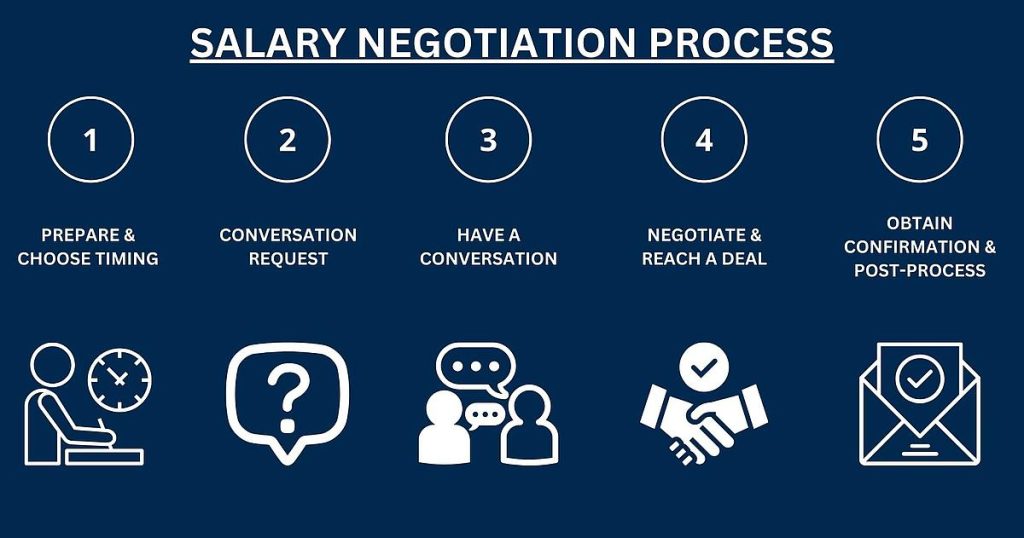
For those seeking to deepen their understanding of the negotiation process within this framework, exploring resources on collective bargaining can provide valuable insights into optimization techniques and best practices that resonate across industries.
