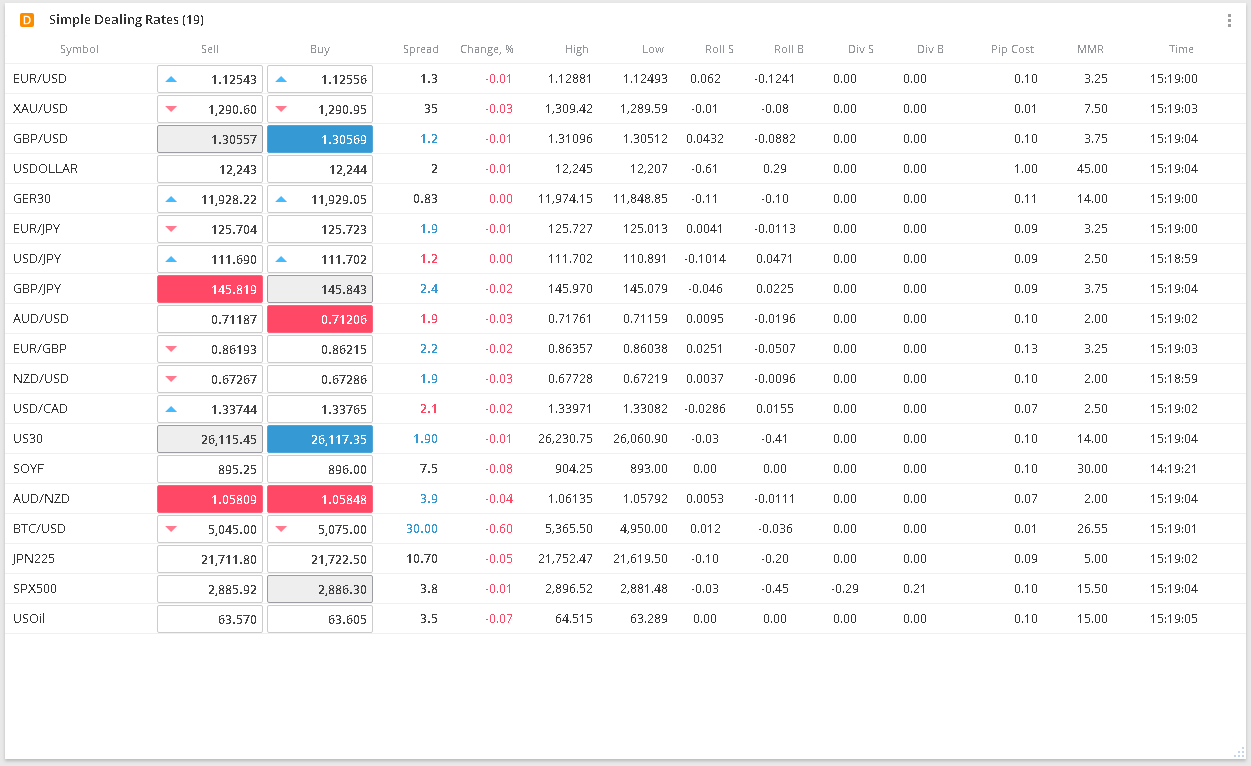
Leverage in forex trading stands as a catalyst that transforms modest capital into commanding market positions. It offers traders the potent ability to amplify their exposure and potentially magnify profits by borrowing funds from brokers like OANDA, IG, and Forex.com. This financial multiplier is at the heart of forex’s appeal, turning small account balances into gateways for significant trading opportunities. Yet, with this power comes an increased responsibility as leverage can just as sharply magnify losses. Understanding the mechanics behind leverage, its risks, and how to harness it carefully is indispensable for traders aiming for sustained success in 2025’s dynamic currency markets.
Fundamentally, leverage in the forex center means trading sizes that far exceed your actual capital. For instance, a leverage ratio of 100:1 allows controlling $100,000 in the market with a mere $1,000 from your own account, leveraging borrowed capital seamlessly. Brokers like Interactive Brokers and Saxo Bank tailor margin requirements accordingly, ensuring traders provide a fraction of the trade’s notional value as collateral – the “margin.” These margins vary depending on currency volatility and broker policies, with risk management protocols set in place to safeguard participants. This relationship – between your capital as collateral and the broker’s loan – forms the backbone of leveraged forex trading.
Exploring the Mechanics of Leverage and Margin in Forex Trading
To truly master leveraged forex trading, grasping the dynamics between margin and leverage is crucial. Margin represents your skin in the game – the equity you put up upfront to open and sustain trades. Meanwhile, leverage acts as the multiplier, unlocking market exposure many times above this margin. Brokers such as CMC Markets and eToro offer leverage ratios commonly ranging from 1:20 to 1:200 for major currencies. For emerging or highly volatile currencies, these ratios are often lower to mitigate extreme risk exposure.
For example, if an investor has $2,000 in their account and trades with a 50:1 leverage ratio, they can manage a position worth $100,000. However, it’s essential to note that leverage is a double-edged sword; profits and losses are both scaled. If the currency moves 1% in your favor, profits equate to 50% of your capital, yet a 1% unfavorable move could wipe out half your equity. This magnifying effect underlines the importance of prudent risk controls.
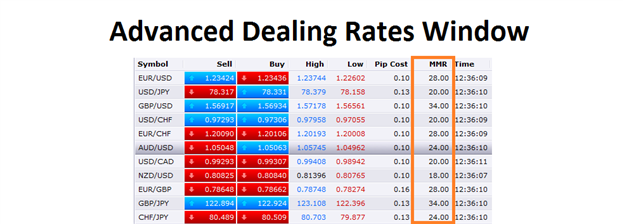
Strategic Use of Leverage: Risk Management and Trade Sizing
Proper leverage management is as much about psychology as it is about numbers. Traders must select leverage settings that reflect their risk tolerance and trading strategy. In 2025, popular brokers like Pepperstone and AvaTrade provide flexible leverage options accommodating conservative and aggressive styles alike. Utilizing tools such as stop-loss orders dramatically reduces the chance of a devastating margin call – a scenario where brokers request additional funds to maintain opened positions or forcibly close trades to limit losses.
A trade’s size should correspond carefully to both the trader’s capital and the chosen leverage. Oversized positions leveraged maximally magnify the risk of liquidation. Balancing position size with stop-loss limits and diversified portfolios – a strategy well-supported by platforms like broker-vista.com – curtails risk while still capturing leverage benefits.
Benefits and Pitfalls of Applying Leverage in Forex Markets
Leverage undeniably amplifies potential gains. By increasing buying power, traders can capitalize on small but consistent currency fluctuations, turning fractional moves into meaningful profits. Leverage also democratizes access, allowing market entry with smaller capital bases, empowering emerging traders. Platforms such as FXTM and regulatory-compliant brokers listed at broker-vista.com support these features with comprehensive educational resources and risk management tools.
Conversely, the inherent risk is substantial. Magnified losses can rapidly erode account balances, especially in the fast-moving forex environment where currency pairs often experience unexpected volatility. Higher leverage levels, such as 1:500 featured by some offshore brokers, drastically raise the stakes, often at the expense of trader safety. Regulatory bodies globally advocate for leverage limits to protect investors, highlighting the necessity of disciplined leverage application as detailed in resources like broker-vista.com.
Margin Calls and Broker Practices in Managing Leverage Risk
Brokers like Interactive Brokers and CMC Markets vigilantly monitor account equity against margin requirements. When losses approach the collateral limit, a margin call is triggered, alerting traders to either deposit additional funds or close positions. Failure to respond often leads to automatic liquidation, preventing deeper indebtedness but locking in losses. This mechanism enforces discipline and preserves broker solvency, but novice traders frequently underestimate its implications.
The variations in margin calls and liquidation thresholds between brokers necessitate careful broker selection. With many review sites such as broker-vista.com offering comprehensive broker assessments, traders gain insights into broker reliability, fees, and margin policies, which directly influence leverage efficacy and safety.