

On February 17, 2026, the convergence of political turbulence, environmental crisis, and diplomatic efforts carved a complex tableau, compelling attention across multiple spheres. The LFI Trial dominated France’s political discourse, shedding light on escalating tensions within the nation’s governance, while unprecedented Floods in the west provoked widespread disruption and public debate about governmental crisis response. Internationally, dual negotiations in Geneva between the United States and Iran, alongside separate talks involving Russia and Ukraine, underscored the precarious balance of global diplomacy amid persistent conflict. Franceinfo’s briefing unpacks these intertwined realities, offering a discerning lens on the day’s defining moments.
February 17, 2026, witnessed a pivotal moment in French politics as the La France Insoumise (LFI) Trial intensified, following allegations that have shaken political alliances and stirred public debate over extremism and accountability. The contentious exchanges in the National Assembly, especially between LFI’s Mathilde Panot and Prime Minister Sébastien Lecornu, reflect not just a battle over narratives but a deeper confrontation about the very direction of French political identity.
Simultaneously, environmental calamity cast a stark shadow over France, with exceptional floods isolating entire communities in the west. The scale and speed of these events stoked anger, as residents criticized authorities for inadequate preparedness and response. This disaster poignantly illustrates the escalating challenges posed by climate change and underscores the urgent need for systemic infrastructural and policy adjustments to protect vulnerable populations against increasingly frequent extreme weather events.
Across the Alps, Geneva served as a diplomatic crucible for dual international talks seeking resolutions to protracted conflicts. The United States embarked on its second round of nuclear negotiations with Iran, a pathway critical to preventing military escalation in the Middle East. Concurrently, talks between Russia and Ukraine, brokered by American intermediaries, aimed to carve out ceasefire terms, though the pressure to produce tangible progress fell unevenly among the involved parties. The juxtaposition of these negotiations highlights Geneva’s enduring centrality in international diplomacy and the complexities of maintaining global security frameworks.
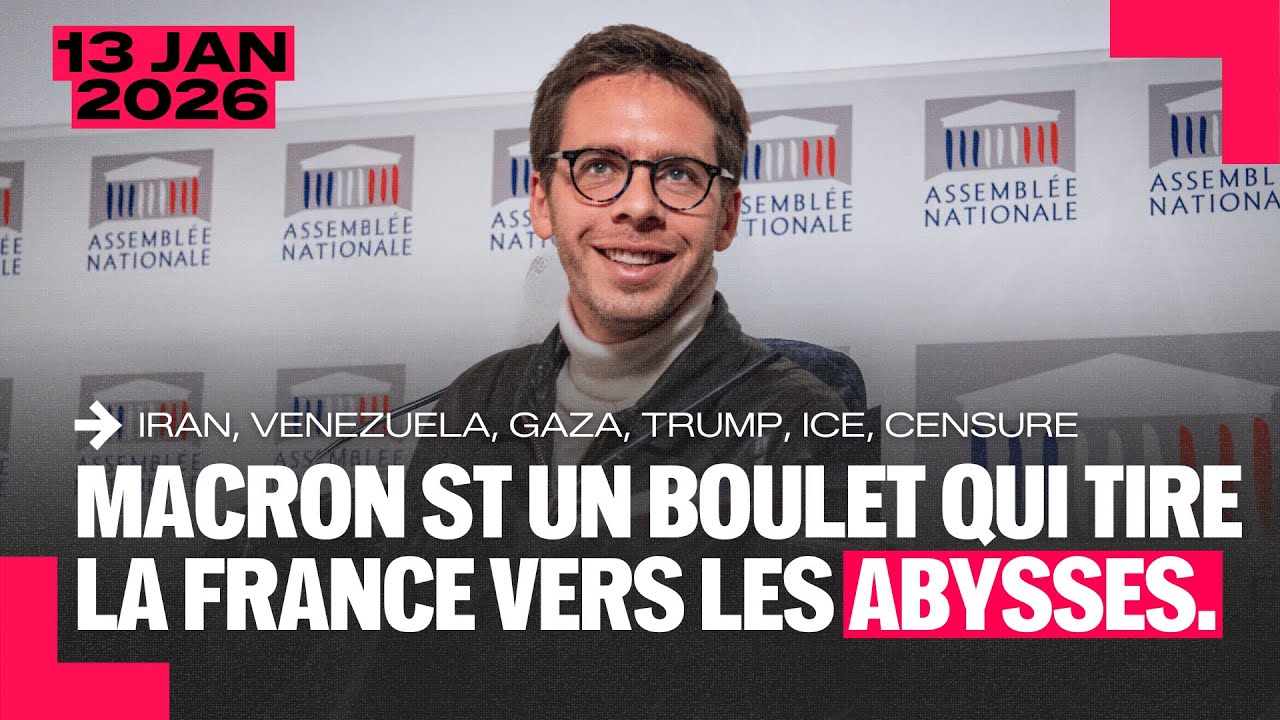
Political Upheaval in France: The LFI Trial and Its Reverberations
The legal proceedings against La France Insoumise (LFI) have escalated into a defining political drama. By questioning the Ministry of the Interior’s labeling of LFI as an “extreme left” movement, the trial exposes rifts over political classification and freedom of expression within France’s democratic apparatus. The confrontation extended into the National Assembly, where Prime Minister Lecornu seized the moment to demand greater internal discipline from LFI, accusing them implicitly of harboring elements undermining political stability. This episode not only destabilizes LFI’s public image but also forces reflection on the boundaries of political dissent in 2026 France.
Floods in Western France: Climate Crisis at the Doorstep
The exceptional floods gripping western France this winter highlight a stark reminder that climate disasters are no longer distant threats but immediate crises. Over 1.5 million people suffered varying impacts as communities found themselves cut off amid swollen rivers and relentless rainfall. Criticism targeted the government’s readiness and crisis management, reflecting a broader demand for more robust climate adaptation strategies. This event is emblematic of the escalating stakes in the global fight against climate change and challenges France—and Europe at large—to recalibrate public safety infrastructures meaningfully.
Geneva’s Diplomatic Crossroads: Navigating Dual Negotiations
Geneva once again occupied center stage in global politics by hosting crucial talks that intertwine nuclear diplomacy and conflict resolution. The U.S.-Iran negotiations aim to revive and strengthen arms control agreements, balancing deterrence with diplomatic engagement. Simultaneously, Russia-Ukraine discussions, under American facilitation, grapple with intense geopolitical stakes. The duality of these talks complicates diplomatic momentum but also underscores the indispensable role of international dialogue. However, responsibility for progress remains contentious, with observers noting uneven pressure on negotiating parties, particularly the cautious stances from Russia and Iran.
These negotiations carry profound implications for international security, signaling how Geneva continues to serve as an instrumental arena for diplomacy amid a fragmented global landscape. The intertwined nature of these talks reflects the delicate balancing act diplomats must perform in addressing multiple, concurrent crises.
For a broader understanding of France’s evolving foreign trade dynamics relevant to these political and international contexts, consider exploring detailed reports on the French foreign trade revival. This knowledge complements insights into how external affairs and domestic challenges coalesce to shape France’s strategic positioning going forward.
