

In the landscape of modern trading, leverage presents a double-edged sword—capable of amplifying profits while simultaneously escalating risks. As investors increasingly turn to leverage to enhance portfolio returns, the imperative of Risk Management has never been more critical. Careful orchestration of leverage ratios, vigilance against Margin Call triggers, and prudent Position Sizing form the backbone of sustainable trading strategies. Without meticulous oversight, what begins as an opportunity for growth may spiral into significant drawdowns, threatening Financial Stability and long-term objectives.
While leverage offers a pathway to magnified gains, it also exposes portfolios to heightened volatility and potential capital erosion. This dynamic requires a nuanced understanding of interplay between leveraged positions and market conditions to facilitate Responsible Trading. The integration of stop-loss mechanisms and capital allocation discipline can safeguard against adverse market moves that can trigger substantial losses. As such, investors must navigate the delicate balance between exploiting leverage benefits and implementing effective controls like Equity Protection and Drawdown Control to secure their investments over time.
In brief, leverage can accelerate portfolio growth but demands a vigilant approach to prevent excessive exposure. Key elements include dynamic leverage ratio adjustments, comprehensive risk mitigation techniques, and embracing market discipline to avoid pitfalls such as margin calls. Integrating these principles supports a resilient portfolio capable of withstanding market shifts while capitalizing on the expansion potential that leverage affords.
Understanding the Role of Leverage in Amplifying Portfolio Returns and Risks
Leverage essentially involves using borrowed capital to augment the size of investment positions, thereby enhancing potential returns. Its appeal lies in the prospect of multiplying gains beyond what the investor’s own capital might achieve alone. However, this magnification applies equally to losses, requiring a keen understanding of trading psychology and market dynamics. Leveraged portfolios are inherently more volatile, with the Leverage Ratio acting as a critical gauge for balancing opportunity and risk.
In the realm of financial markets, leverage is accessed through tools such as margin accounts, derivatives like futures and options, or leveraged ETFs. Each mechanism entails distinct implications for portfolio risk profile and dictates the necessity for tailored risk management tactics. For example, a trader utilizing margin loans must remain alert to the potential of a margin call, which demands additional capital to maintain positions or face liquidation. This interplay between leverage and margin requirements underscores the importance of continuous portfolio monitoring to avoid unexpected disruptions.
Strategies to Manage Leverage Effectively in Diverse Market Conditions
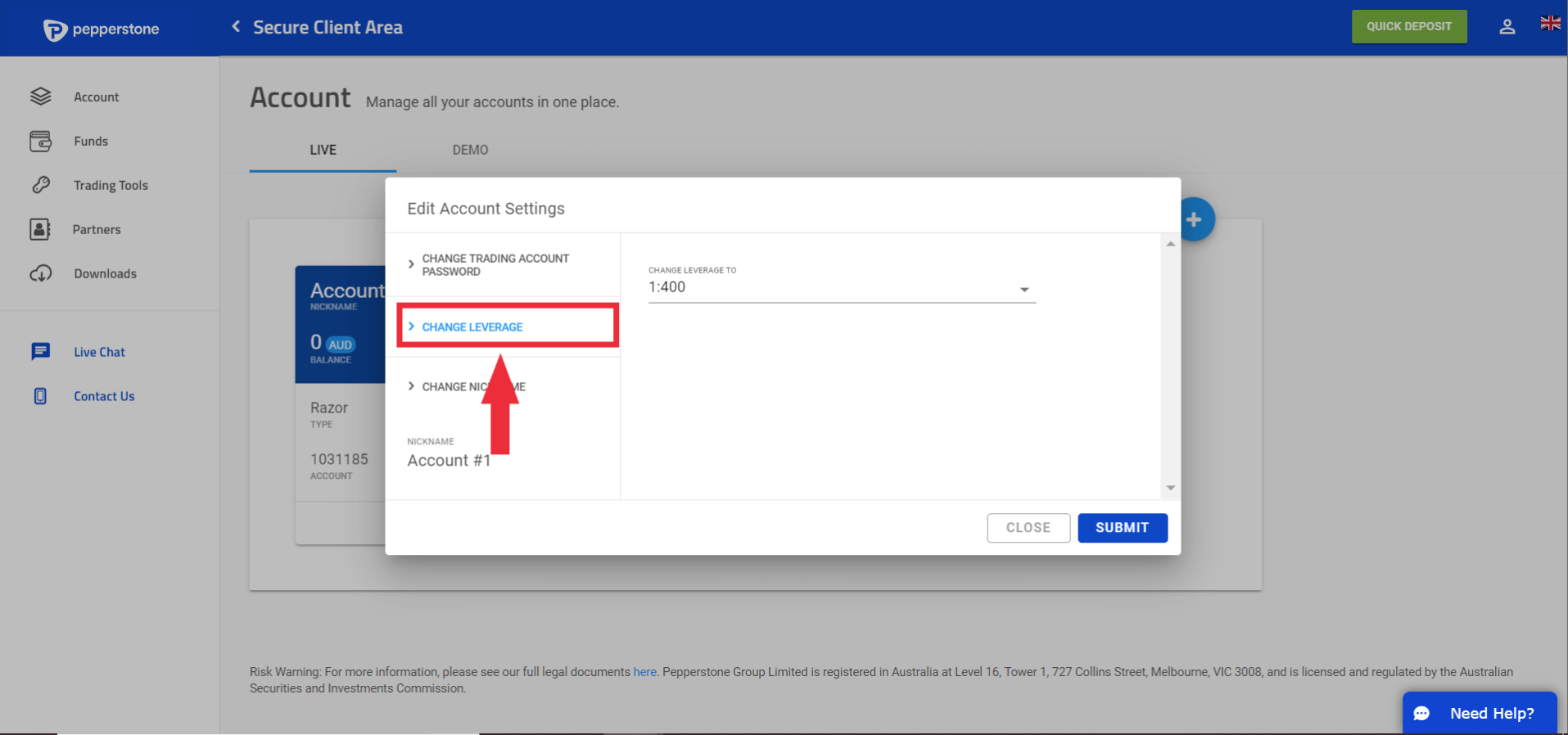
Successful management of account leverage begins with establishing an optimal leverage ratio aligned with the investor’s risk tolerance and market outlook. In turbulent markets, reducing leverage and enforcing strict stop loss orders can prevent erosion of capital and limit drawdowns. Conversely, during stable or bullish trends, judiciously increasing leverage may enhance returns while maintaining Equity Protection.
Diversification remains a cornerstone of managing leveraged portfolios, mitigating concentration risk that can exacerbate losses in volatile environments. Incorporating non-correlated assets helps distribute risk, allowing for more confident use of leverage while keeping the overall portfolio within acceptable volatility thresholds. This approach integrates well with advanced portfolio optimization models, balancing risk parity with leverage to optimize returns.
An additional layer of resilience comes from stress testing and scenario analysis, which simulate extreme market scenarios to reveal vulnerabilities in leveraged positions. These tools empower investors to preemptively adjust their strategies, improving Drawdown Control and overall preparedness.
Implications of Leverage on Trading Psychology and Decision-Making
Leverage can amplify the psychological pressures inherent in trading activity. The heightened stakes often intensify emotional responses such as overconfidence or fear, leading to impulsive decisions counterproductive to long-term success. Developing a disciplined approach—rooted in well-defined risk parameters and a systematic trading process—serves as a safeguard against behavioral biases that undermine portfolio performance.
Maintaining a clear focus on long-term investment goals rather than short-term fluctuations promotes steadiness in high-leverage trading environments. Educating oneself about key terms like Margin Call and Stop Loss supports informed decision-making. In parallel, leveraging external resources like trading key terms guides can enhance understanding and execution.
The Necessity of Regulatory Awareness and Broker Selection in Leveraged Trading
Any prudent strategy for managing leverage must acknowledge the regulatory environment governing margin and leverage use. Global broker regulations dictate margin requirements, permissible leverage limits, and investor protections, such as negative balance protection and disclosure standards. Navigating these regulatory frameworks requires thorough research into broker profiles, which can be facilitated by resources like global broker regulations summaries and broker licensing information.
Moreover, selecting brokers with transparent trading platforms and reliable execution capabilities significantly reduces operational risks. Platforms that offer efficient Margin Call notifications and rapid order execution prevent slippage and unexpected margin breaches during volatile market phases. Traders are advised to consult trusted broker platforms reviews and leverage tools evaluations, ensuring a secure environment for leveraged trading.
Engaging with robust support services and understanding withdrawal policies also contributes to overall Financial Stability in leveraged trading accounts, safeguarding access to funds and mitigating transaction delays that might impact trading efficiency.
Leveraging Technology and Automation to Enhance Leverage Management
Technology provides vital assistance in executing leverage controls, with automated trading systems and algorithmic strategies offering precision in position sizing and timely risk cutoffs. Utilizing automated stop loss triggers reduces manual error and emotional interference, crucial in fast-moving markets. Investors keen on these tools should weigh the pros and cons of automated trading to ensure alignment with their risk appetite and trading objectives.
Charting and technical analysis software integrated with leverage metrics allow for dynamic adjustments reflective of evolving market conditions. Coupling these digital capabilities with ongoing educational efforts on leverage mechanics proves beneficial in maintaining discipline and optimizing risk-return profiles.
As markets evolve, the intersection of Trading Psychology, technology, and regulatory standards will increasingly define the efficacy of leverage management strategies. Investors equipped with knowledge and tools to navigate this trilateral landscape stand the best chance of leveraging borrowed capital to their advantage without compromising financial resilience.
Explore comprehensive insights on leverage and margin trading platforms to deepen understanding and sharpen risk control approaches in leveraged accounts.
