Automated trading platforms have revolutionized the landscape of investment strategies, blending advanced technology with financial markets to optimize the trading experience. As digital solutions become increasingly sophisticated, more investors are drawn to platforms like MetaTrader, eToro, and Interactive Brokers, known for their efficient trade executions and user-friendly interfaces. In a fast-paced environment where milliseconds can influence profits, automated systems offer unparalleled speed, discipline, and the elimination of emotional bias. However, embracing automation also entails careful scrutiny of vulnerabilities related to system errors, inflexible algorithms, and cybersecurity issues. This duality invites investors to weigh the nuanced trade-offs of automation against traditional manual trading to determine a strategy best aligned with their risk tolerance and financial goals.
Key takeaways: Automated trading systems provide remarkable efficiency, emotional neutrality, and disciplined execution while handling multiple simultaneous trades. However, risks include technological failures, outdated algorithmic strategies unresponsive to market fluctuations, and heightened security threats. Effective engagement with platforms like TradeStation, NinjaTrader, and TD Ameritrade benefits from thorough understanding and continuous oversight to mitigate weaknesses inherent in automated approaches. Striking a balance between automation advantages and potential pitfalls defines the investor’s journey toward optimized portfolio management and enhanced market participation.
Automated Trading Systems: Elevating Efficiency and Precision in Financial Markets
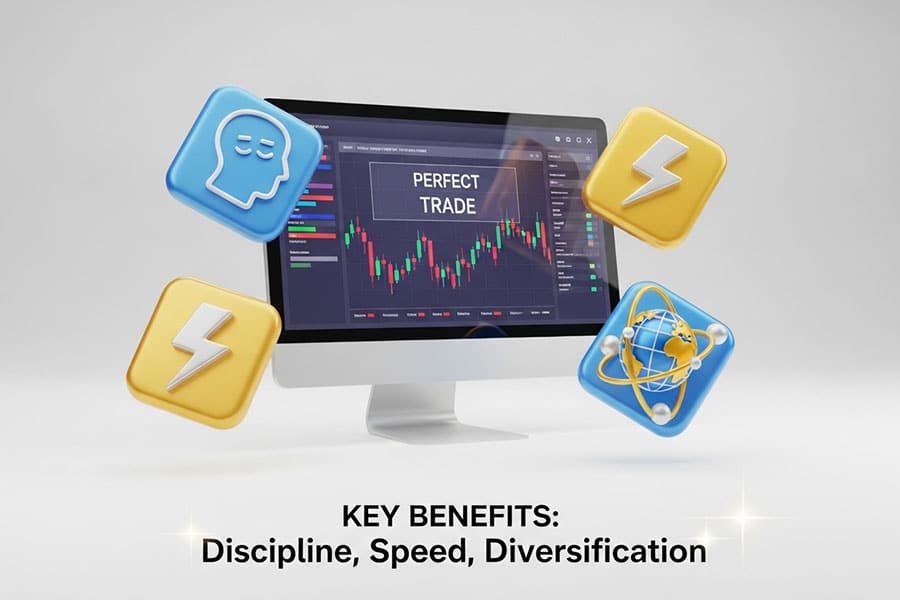
Modern financial markets demand agility and precision, and automated trading platforms excel in delivering both. Key players such as Robinhood and IG have democratized access to algorithm-driven trading, enabling diverse investors to capitalize on real-time market movements. These platforms leverage pre-programmed rules to execute trades at speeds unattainable by manual efforts, simultaneously managing multiple assets without hesitation or fatigue. This mechanized agility not only enhances transactional volume capacity but also fosters consistency by removing emotional impulses from trading decisions.
What stands out is the platforms’ ability to operate under a stringent, rule-based discipline. Traders customize algorithms tailored to their risk appetite, targeting optimal entry and exit points based on technical indicators or market conditions. This approach mitigates human errors stemming from stress or bias, often seen in manual trading environments. As such, automated systems can substantively elevate success rates in volatile or fast-changing markets, encouraging confident participation even from novice investors.
Challenges Embedded in Relying on Fully Automated Trading
However, the adoption of automated platforms is not without risks. Over-dependence on technology exposes investors to significant challenges when systems encounter glitches or outages—a single malfunction could trigger cascading financial losses. Additionally, strategies developed from backtesting often reflect idealized conditions, which may fail to adapt flexibly under unpredictable live market scenarios. This rigidity can lead to underperformance or amplified risks during market turbulence.
Furthermore, continuous updates and recalibrations of trading algorithms are essential to maintain competitiveness. Market dynamics evolve, and an algorithm that performed well previously might become obsolete without adaptation. This requirement for regular oversight means automation is not a set-and-forget solution; investors must actively engage in monitoring and tuning their automated strategies.
Security stands as a cornerstone of concern. Platforms such as Plus500 and Saxo Bank integrate robust encryption and authentication protocol to protect digital assets and personal information. Nevertheless, the cyber threat landscape continuously advances, obliging investors to adopt multifaceted security practices, including two-factor authentication and vigilant password management, to forestall unauthorized access and safeguard investments.
Balancing Benefits with Vigilance: Strategic Use of Automation Tools
Using automated trading platforms judiciously involves blending their strengths with human insight. Platforms like MetaTrader and TradeStation offer customizable options that allow traders to define risk parameters and exit points precisely, melding algorithmic decisiveness with strategic foresight. For many beginning traders, automated systems serve as an educational bridge, allowing hands-off engagement while gradually building trading acumen and market awareness.
Yet, acknowledging the limitations is vital. Automated trading should be complemented with manual controls, routine evaluations, and readiness to intervene when algorithms deviate from expected paths. The balance between automation and active management ensures a resilient approach capable of navigating the complex and evolving market environments of 2025 and beyond.