
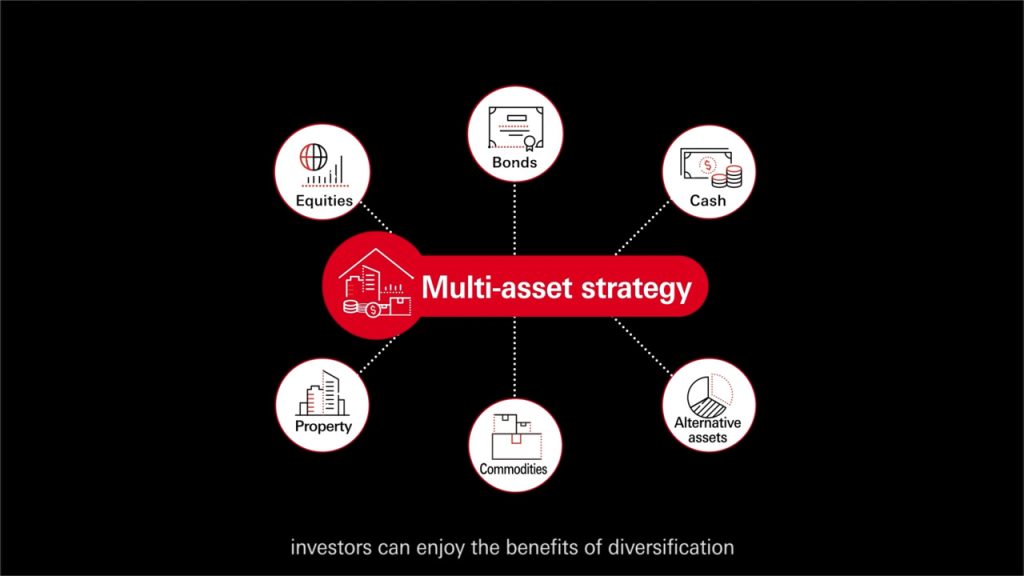
In the rapidly evolving landscape of financial markets, new traders face the daunting challenge of navigating numerous asset classes—from forex and stocks to commodities and cryptocurrencies. Multi-asset brokers have emerged as indispensable allies, offering streamlined access to these diverse markets under a single platform. This consolidation not only simplifies trading logistics but also empowers newcomers to craft well-rounded portfolios, effectively managing risk while seizing opportunities across the globe. As the year 2025 ushers in unprecedented market complexity and volatility, the advantage of multi-asset brokers becomes increasingly pronounced, providing novice traders with the tools and flexibility necessary to thrive within this environment.
En bref : Multi-asset brokers consolidate various financial markets into a single interface, enabling traders to diversify easily. This access enhances risk management by allowing portfolio spread across asset classes like forex, commodities, and cryptocurrencies. They also improve trading efficiency through unified tools and cost-effective fee structures. Additionally, multi-asset platforms support tactical asset allocation and hedging strategies, crucial for navigating today’s volatile markets. Leveraged trading options amplify buying power, further benefiting the new trader eager to expand exposure while maintaining control over risk.
Multi-Asset Platforms: A Gateway to Diverse Trading Opportunities
New traders frequently encounter the challenge of choosing where to direct their focus amid an overwhelming variety of financial instruments. By offering seamless integration across asset classes—including equities, forex, bonds, indices, and digital currencies—multi-asset brokers provide a crucial advantage. Platforms like MetaTrader 5 and those offered by leaders such as Saxo Bank and Interactive Brokers serve as hubs where traders can manage a spectrum of investments without juggling multiple accounts or applications. This centralization not only reduces complexity but also accelerates execution, allowing traders to respond swiftly to market shifts.
Reducing Risk Through Diversification and Portfolio Balance
A significant benefit multi-asset brokers bring to newcomers is the ability to diversify portfolios effectively, mitigating exposure to any single market downturn. In an economic context marked by unpredictable swings—where currency volatility may spike while commodities stabilize—spread across various asset classes allows for smoother returns. For instance, when equities suffer from geopolitical tensions, safe-haven assets like gold or government bonds can provide a buffer. This strategic allocation capability is notably supported by platforms like IG and FOREX.com, which enable cross-market analysis to evaluate how market movements interrelate, enhancing decision-making for risk-averse traders.
Leveraging Advanced Tools and Features on Multi-Asset Platforms
Multi-asset brokers equip traders with sophisticated tools that facilitate not just access but also strategic engagement across diverse markets. From algorithmic trading capabilities and backtesting to advanced charting and integrated news feeds, platforms offered by CMC Markets and Plus500 empower new traders to optimize their strategies. These attributes enable tactical asset allocation, whereby users adjust their exposure in response to economic cycles or emerging trends—such as shifting investments from stocks to commodities ahead of anticipated recessions. Additionally, the ability to hedge positions using derivative products provides a safeguard against sudden market shocks, a feature indispensable for preserving capital.
Cost Efficiency and Operational Simplicity for New Traders
Managing multiple trading accounts traditionally entails separate fees, margin requirements, and administrative overheads. Multi-asset brokers streamline this by consolidating all activity within a single margin account, significantly reducing transaction costs and operational complexity. This approach is particularly advantageous for newcomers seeking to minimize expenses while expanding their market reach. Platforms run by firms such as TD Ameritrade and AvaTrade highlight these efficiencies, offering competitive spreads alongside diverse asset access. By minimizing the financial and logistical barriers associated with diversification, these brokers help new traders build more resilient and adaptable portfolios.
Empowering New Traders with Flexible Buying Power and Global Market Access
Access to margin trading on multi-asset platforms allows novice traders to leverage their capital efficiently, gaining exposure to markets that might otherwise be inaccessible due to high entry requirements. Through margin accounts, traders can engage in futures, options, and other derivatives with relatively low collateral, amplifying profit potential while maintaining control over their capital allocation. Brokers like OANDA demonstrate how robust margin offerings complement the broad asset selection, enabling users to tactically switch between instruments and geographies. This global access ensures that traders are not confined to a single regional market, fostering diversification that is both geographical and strategic.
