
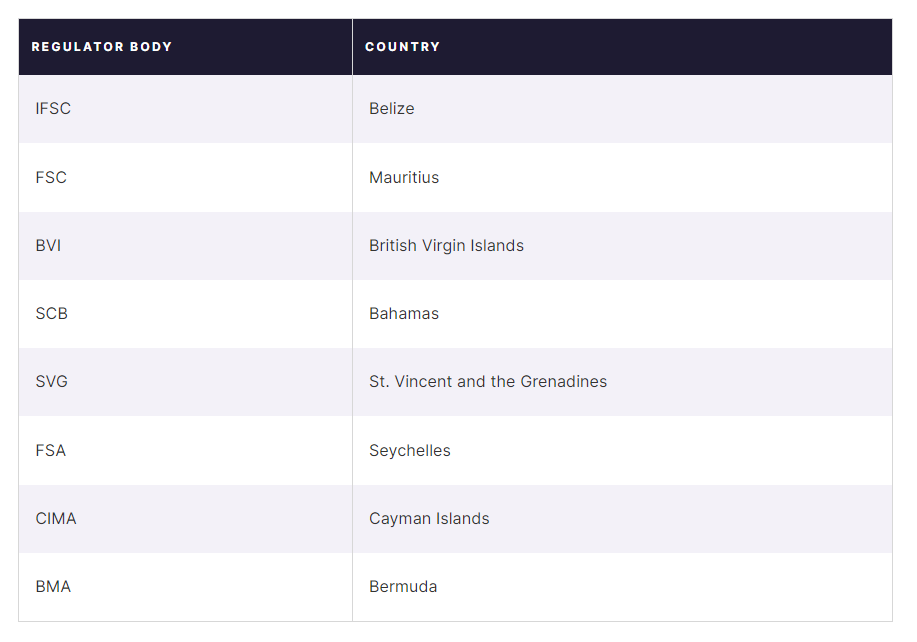
New traders stepping into the Forex market face countless choices, among which selecting a broker stands paramount. Offshore brokers have surged in popularity due to their alluring benefits, yet they carry inherent risks that demand thorough scrutiny. Understanding these facets is essential for novices eager to maximize opportunities while safeguarding their investments. These brokers, established in jurisdictions distinct from the trader’s residence, often offer unique trading conditions that are unattainable through local brokers. However, their operations within lenient regulatory frameworks invite debates on safety and reliability. Navigating this landscape requires awareness of advantages such as enhanced leverage, flexible trading styles, and tax benefits, counterweighted by challenges including the absence of deposit protection and transparency concerns. The question thus emerges: are offshore brokers truly safe for those just beginning their trading journey?
In brief, for new traders considering offshore brokers in 2025: high leverage and diverse instruments offer exciting possibilities engaging platforms like Exness and XM. Yet, concerns persist over limited regulatory oversight and potential deposit withdrawal challenges, warranting a cautious approach. Choosing brokers with strong reputations and robust customer support is vital, as exemplified by platforms such as Pepperstone and IC Markets. Ultimately, a balanced understanding of risks and benefits will empower newcomers to make informed decisions.
Weighing the Safety of Offshore Brokers for New Traders
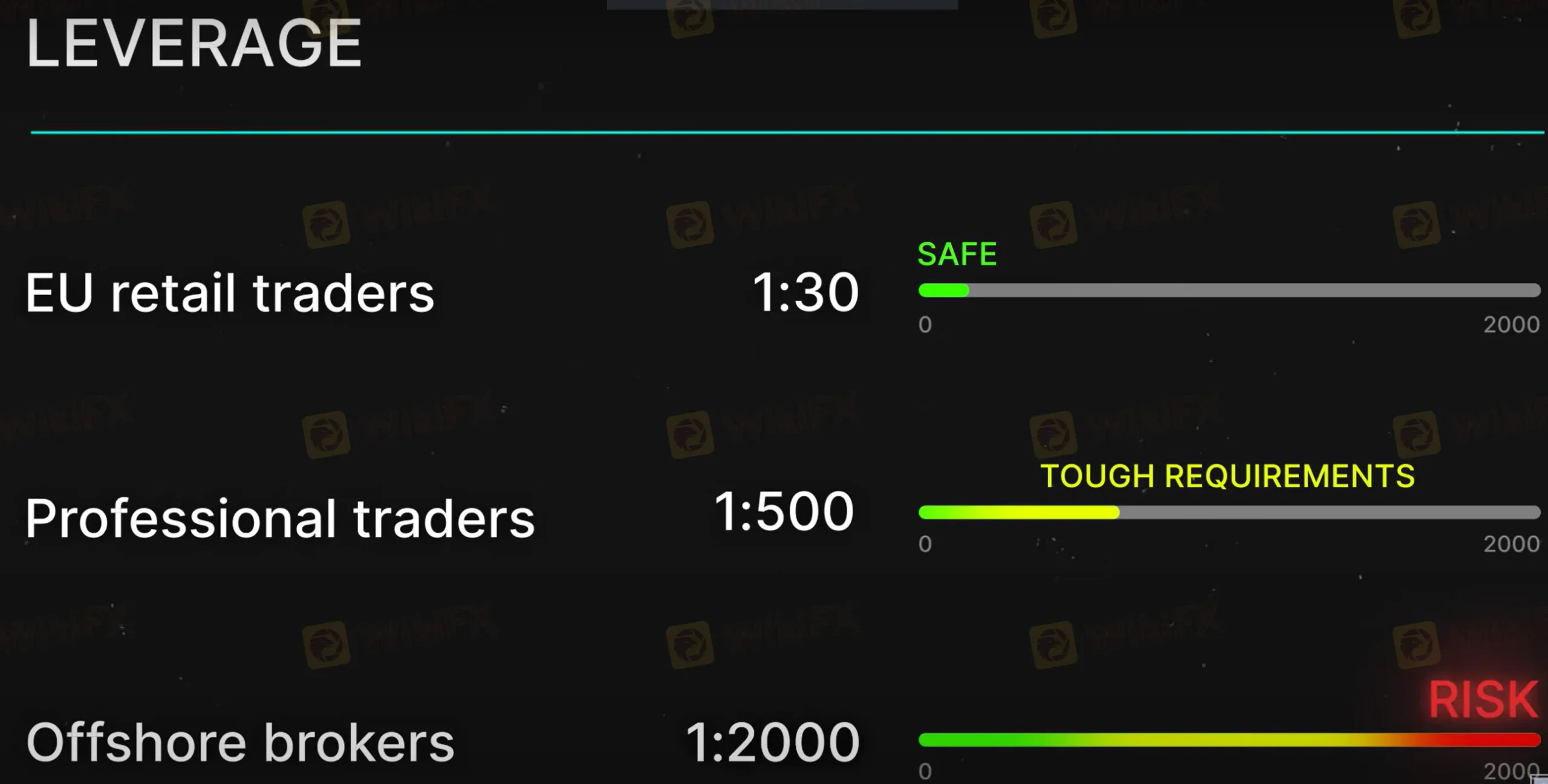
Offshore brokers operate out of countries often designated as tax havens or regions with flexible financial regulations. This regulatory leniency manifests as both a benefit and a hazard. Traders gain access to features like high leverage ratios beyond 1:500, as offered by brokers such as FBS, enabling control over larger positions from modest deposits. However, this leverage exponentially amplifies risk, making it imperative that new traders educate themselves thoroughly on effective risk management.
Flexibility in trading styles presents another compelling advantage. Whether employing scalping, hedging, or algorithmic strategies, platforms like RoboForex empower traders with fewer restrictions compared to traditional, heavily regulated environments. This freedom, combined with typically tighter spreads on currency pairs, creates opportunities for cost-efficient trading backed by platforms known for their competitive pricing.
Risks of Limited Regulation and Deposit Safety
Despite these opportunities, offshore brokers often lack the stringent regulatory frameworks customary in jurisdictions like the US or EU. This absence translates to no deposit insurance schemes safeguarding traders’ funds, spotlighting a vulnerability especially acute for beginners. The possibility of broker insolvency or fraudulent operations remains a stark reality, emphasizing the need to choose brokers with a documented track record and transparent operational practices.
Moreover, the challenge in resolving disputes poses another significant risk. Unlike onshore brokers subject to regulatory bodies with formal complaint mechanisms, offshore platforms may offer limited recourse, compelling traders to rely heavily on due diligence before trading. Evaluating customer support responsiveness, as demonstrated by brokers such as IG, contributes substantially to mitigating these risks.
Appealing Features That Attract New Traders to Offshore Brokers
Offshore brokers frequently appeal to new traders by presenting alluring sign-up bonuses and promotional packages, enhancing initial capital outlays. These incentives, however, come with fine print that requires scrupulous examination to avoid unexpected conditions. Additionally, offshore brokers often prioritize client privacy, offering a degree of anonymity valued by certain traders.
Tax advantages constitute another attractive aspect, as trading profits in some offshore jurisdictions may face reduced taxation or exemptions. This financial benefit enhances overall profitability but necessitates that traders remain vigilant about tax laws in their resident countries, ensuring compliance and avoiding legal pitfalls.

Ensuring Safe Trading Through Informed Broker Selection
For those new to the Forex environment, scrutinizing a broker’s legitimacy is non-negotiable. This involves verifying licensing status, even in offshore territories, and reading independent reviews to evaluate reputation rigorously. Platforms like AvaTrade and FXChoice exemplify brokers maintaining regulatory compliance while accommodating international traders.
New traders should also assess ease and transparency of deposit and withdrawal procedures, focusing on brokers providing multiple secure payment options and clear timelines. Such operational transparency fosters trust and reduces anxiety, critical for novices who need unfettered access to their funds without bureaucratic hurdles.
