

Investors increasingly face the harsh reality that not all brokers manage their funds responsibly. The rise of financial advisory misconduct and outright fraud has left many staring at significant losses. Yet, for every investor wronged, there lie actionable paths to reclaim their hard-earned money. Understanding your rights, recognizing warning signs of broker malpractice, and knowing the recovery mechanisms make all the difference in this uphill battle. Armed with the right knowledge and support, pursuing lost funds is not only feasible but essential to securing your financial future.
In brief: Effective fund recovery hinges on documenting investment activities meticulously, identifying advisory misconduct promptly, and engaging in regulatory or legal recourse such as FINRA arbitration or complaints to the SEC. Vetting advisors rigorously and maintaining ongoing vigilance through portfolio reviews help prevent future losses. Leveraging services like secure online trading tips and understanding trading account protection laws are pivotal. Recognizing red flags from concentrated risky investments to unauthorized trading empowers investors to act decisively.
Understanding Broker Misconduct and Your Legal Rights for Recovering Lost Funds
Broker misconduct encompasses a range of malpractices—from unsuitable investment advice to outright fraud—that jeopardize investor capital. Investors often attribute losses solely to market volatility, but some losses arise from negligence or intentional wrongdoing. Financial advisors carry fiduciary duties when they are registered as such, requiring them to act in their client’s best interest. Breaches of this duty, including unauthorized trades or pressuring investors into speculative financial products, justify legal action.
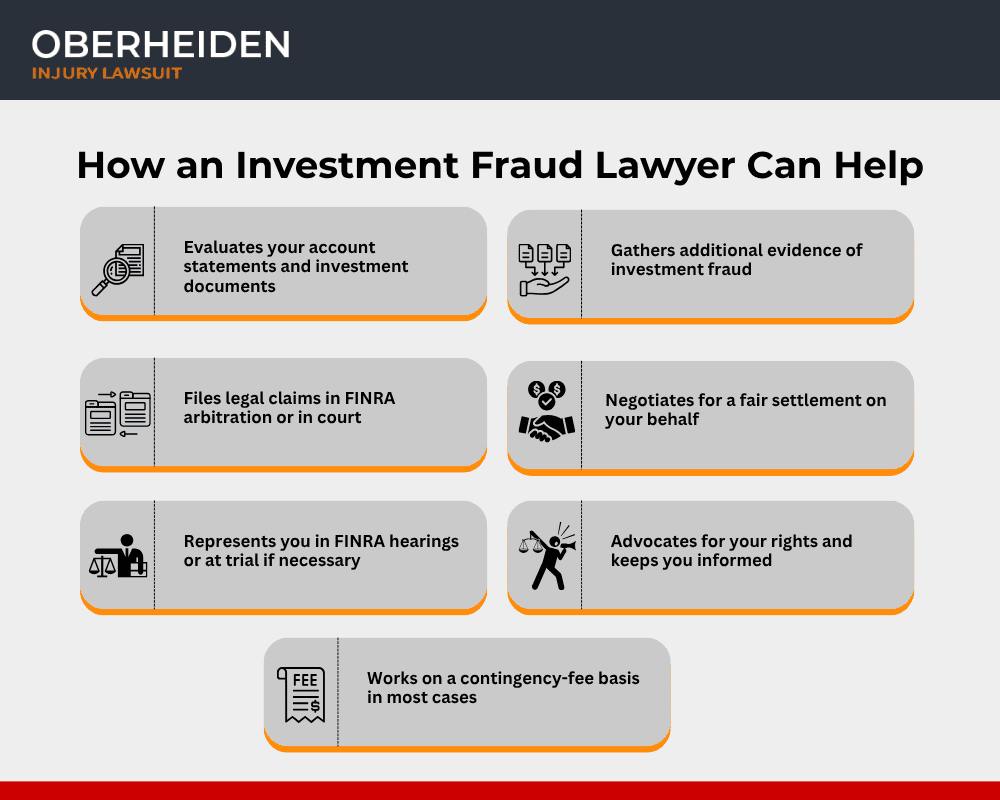
Key to recovery is assembling comprehensive documentation: account statements, communication records, and transaction histories. This evidence forms the foundation of any claim pursued through channels like FINRA arbitration, a faster and generally cost-effective alternative to court litigation. The Financial Industry Regulatory Authority’s processes enable investors to file detailed Statements of Claim against brokers who have compromised their portfolios. Such mechanisms reflect the evolving landscape in 2025 where arbitration remains the frontline of dispute resolution in securities.
Identifying Signs of Bad Broker Behavior Before It’s Too Late
Recognizing early warning signs can prevent catastrophic losses. Investors should regularly check their holdings for unusual concentration in volatile assets like cryptocurrencies or pressure tactics for quick decisions. Tools such as the FINRA BrokerCheck database allow for background checks on brokers’ regulatory history, revealing prior complaints and sanctions.
Other red flags include delayed access to account information and investments outside your stated financial goals. With the surge of online frauds, including crypto scams and Ponzi schemes, vigilance has never been more critical. Resources like the latest trading account protection laws provide frameworks for safeguarding investments in this dynamic environment.
Strategies to Recover Your Funds: Legal Avenues and Regulatory Channels
Once misconduct is identified, investors must act swiftly within specified time frames, often three to six years from the fraud discovery. Filing claims via FINRA arbitration remains the most accessible approach, with options to engage specialized securities attorneys or seek out investor advocacy groups. Additionally, affected parties may file complaints with the SEC or state regulators, which can lead to enforcement actions accompanied by restitution funds disbursed under various settlement plans.
Amid burgeoning scams, some investors turn to professional entities like MyChargeBack, Chargeback911, and Wealth Recovery International for assistance. These organizations specialize in navigating complex recovery scenarios, whether through chargebacks, settlement negotiations, or leveraging insurance policies such as errors and omissions coverage that some brokers carry.
It’s crucial to avoid hastily accepting recovery firm offers without verifying credentials. Trustworthy firms can be cross-checked through official databases, and investors should beware of imposters mimicking regulatory bodies like FINRA or the SEC. A prudent approach combines legal, regulatory, and technological resources to maximize the prospect of recuperating losses.

Rebuilding Your Portfolio Responsibly After Recovery
Restoring financial stability demands reassessing risk tolerance and setting realistic growth expectations. Advisors with fiduciary duty can help craft diversified portfolios balancing growth with security, avoiding previous pitfalls such as excessive exposure to speculative products. Transparent fee structures and regular performance reviews fortify trust and accountability.
Integrating disciplined investment approaches, including dollar-cost averaging and tax-efficient strategies, enhances long-term resilience. Staying informed through reputable personal finance sources empowers investors to detect early warning signs and maintain control over their assets. Maintaining relationships with multiple custodians and employing independent oversight protect against potential conflicts or fraudulent activity.
Preventing Future Losses: Vigilance and Smart Advisor Selection
Researching credentials like CFA or CFP certifications, as well as regulatory compliance history via BrokerCheck, is indispensable before entrusting assets. Fee transparency and alignment of investment philosophy with personal goals reduce conflict risks. Investors should insist on fiduciary commitment and avoid advisors promising unrealistic returns, especially related to high-risk products.
Regular account audits and engagement in all financial decisions build a partnership founded on transparency. Utilizing investor education platforms and the Broker Complaint Registry maintains awareness of industry misconduct trends. Services like Funds Recovery and Action Refund provide avenues for both prevention education and post-loss recovery assistance, complementing legal remedies.
