
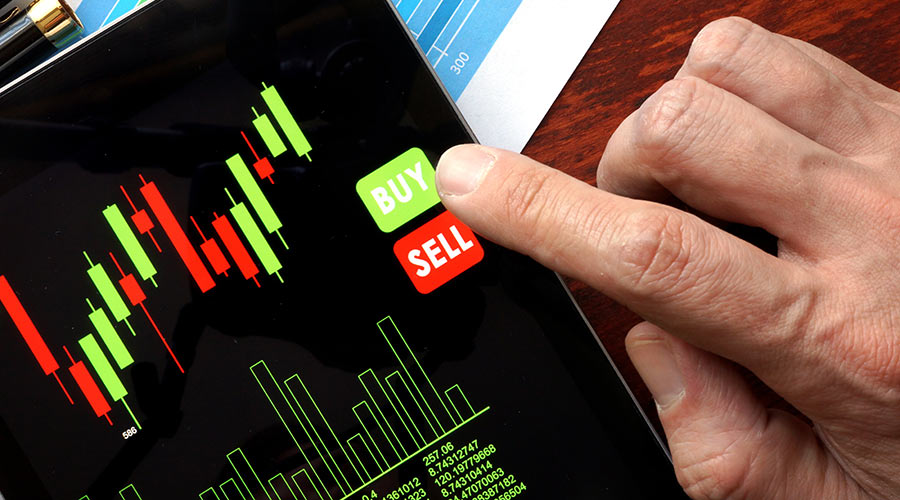
As the gateway to global financial markets expands through online platforms like eToro, MetaTrader, and Interactive Brokers, the allure of online trading deepens. Simultaneously, the digital transformation introduces formidable challenges centered on cybersecurity. The convergence of decentralized finance and traditional brokers has created fertile ground for cyber threats, necessitating vigilant protection strategies. Traders must balance seizing investment opportunities with safeguarding personal data and assets, ensuring that their ventures are not compromised by hackers or scams. From insider knowledge on encryption to the implications of regulation, a comprehensive approach to cybersecurity empowers traders to confidently navigate the increasingly intricate digital trading landscape.
In brief, securing online trading demands:
- Employing advanced encryption methods and secure platforms that safeguard transactions and sensitive data.
- Utilizing robust authentication tools like multi-factor authentication and biometric verifications to prevent unauthorized access.
- Adopting Virtual Private Networks (VPNs) to secure connectivity, especially over public networks.
- Choosing fully regulated and licensed brokers to minimize exposure to fraudulent schemes.
- Staying vigilant against phishing attacks and cyber scams through continuous education and cautious online behavior.
Why Online Trading Platforms Thrive on Strong Security Foundations
In 2025, as retail investors flock to platforms such as TD Ameritrade and Robinhood, understanding the security infrastructure of these platforms becomes paramount. Security measures such as SSL encryption ensure that personal and financial information transmitted during trades remains confidential and impervious to breach attempts. Evidence lies in the familiar “https” prefix underscoring secure communication channels.
Alongside technological defense, regulatory oversight by esteemed institutions like the U.S. Securities and Exchange Commission or the Financial Conduct Authority underpins platform reliability. Regulation guarantees that brokers adhere to strict financial and technical standards, creating a transparent and trustworthy trading environment. This adherence reassures traders that their assets benefit from segregated accounts, an industry best practice which isolates trader funds from operational risks, curtailing exposure if a platform faces insolvency. These layers of security are vital for platforms like Coinbase and PayPal, whose integrations further necessitate stringent protections due to their expansive user bases.
Fortifying Access: Beyond Passwords to Biometrics and Multi-Factor Authentication
Reliance on passwords alone is a vulnerability in the digital age. Hence, forward-thinking traders are encouraged to cultivate strong and unique passwords for each platform, integrating complex alphanumeric combinations that defy guesswork. Using password managers helps manage this complexity seamlessly. Atop this foundation, many platforms have embedded biometric options — facial recognition and fingerprint scanning add robust layers that ensure only authorized users can execute trades.
Multi-Factor Authentication (MFA) further solidifies account security. By requiring an additional step — such as inputting a one-time code delivered to a smartphone — MFA constructs a formidable barrier against unauthorized intrusions. Such features are active on leading websites akin to MetaTrader and Interactive Brokers, wielding practical defenses that even sophisticated cyber actors struggle to bypass. This multi-pronged authentication approach marks a decisive shift in how traders must protect access in a hyper-connected realm.
VPNs and Device Hygiene: Digital Armor for Every Trading Session
Trading on open or unsecured networks—think coffee shops or airports—exposes traders to active interception risks. A strategic remedy is the deployment of Virtual Private Networks (VPNs), enshrining every data packet in encrypted tunnels. Service providers such as Surfshark, with offerings including a kill switch and multi-device support, exemplify the trusted tools traders rely on to cloak their digital footprints and preserve transactional privacy. Given the expansion of cyber threats, accessing platforms overseas might also be achievable without geographic restrictions, a boon reflected in offerings accelerating global trading participation.
Keeping software updated ranks equally high; regular OS and app updates patch known vulnerabilities, reinforcing devices against malware and exploits. Antivirus suites from top providers like Norton and McAfee remain critical components, scanning for subtle threats that could otherwise infiltrate during trading operations. Proactive device maintenance complements platform-level securities, creating a resilient ecosystem that thwarts intrusions at multiple junctures.
Offline Wallets and Data Backups: Securing Cryptocurrency Holdings
For those engaging with cryptocurrencies, a separate layer of defense lies in the use of offline wallets or cold storage. Unlike online wallets connected to exchanges such as Coinbase, storing assets offline drastically reduces exposure to hacking attempts by isolating private keys from internet access. This approach aligns with best practices for asset protection in the digital currency space, contributing significant peace of mind amidst a landscape of increasing threats.
Complementarily, regular backups of trading data safeguard invaluable transaction histories and personal information. Keeping these backups on external drives or offline storage solutions ensures an unfaltering recovery path even in the face of ransomware attacks or device failures. Such diligence exemplifies the layered protection model that prudent traders adopt to fend off financial losses and data erasure.
