
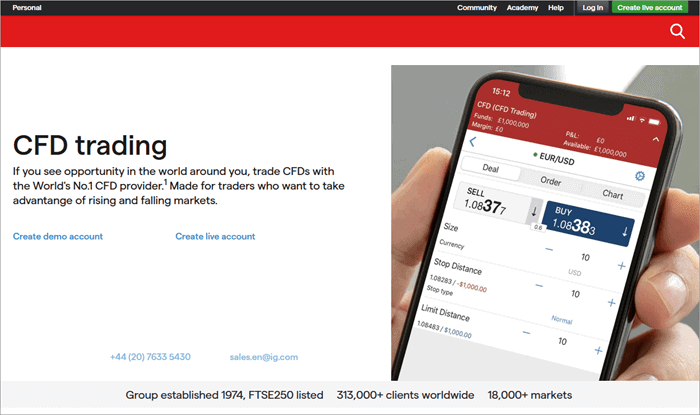
In the ever-evolving landscape of financial trading, identifying reliable CFDs brokers online remains a crucial challenge for traders seeking to capitalize on market volatility without direct ownership of assets. Contracts for Difference (CFDs) offer an accessible avenue for speculation, yet the high leverage, complex fee structures, and market unpredictability demand that traders meticulously select their platforms. As CFD trading gains popularity in 2025, with millions engaging across various asset classes, the necessity for clear criteria to discern trustworthy brokers has intensified. This article delves into essential considerations such as regulatory compliance, fee transparency, trading platform robustness, and asset diversity to guide traders toward informed decisions that mitigate risk and enhance trading efficacy.
In brief: Reliable CFDs brokers combine stringent regulation with transparent fee structures, user-friendly interfaces, and broad access to diverse assets including stocks, forex, commodities, and cryptocurrencies. Leading platforms such as eToro and Plus500 exemplify these traits while others like IG and Saxo Bank cater to both novices and professionals through comprehensive educational resources and advanced trading tools. Awareness of the inherent risks in CFD trading, including significant loss rates among retail investors, underscores the importance of selecting brokers that offer demo accounts, competitive spreads, and protective features like guaranteed stop-loss orders.
How to identify trustworthy CFDs brokers online in 2025
The paramount concern for prospective CFD traders lies in ensuring their broker is not only well-regulated but also transparent in its fees and operational integrity. Regulation by bodies such as the UK’s Financial Conduct Authority (FCA) or Australia’s ASIC guarantees adherence to standards that protect clients from malpractice and excessive leverage risks. Brokers like IG and Saxo Bank stand out for their compliance with strict regulatory norms governing fair execution and investor protection.
Equally vital is the evaluation of fee structures. Brokers commonly charge spreads, overnight financing fees, and occasionally commissions. The aggregate cost significantly influences net profitability, especially given that CFDs inherently include leverage, amplifying both gains and losses. Platforms such as Plus500 and eToro offer relatively low and transparent fees, enhancing trader confidence and accessibility.
Platform usability can not be overlooked. A sophisticated yet intuitive user interface integrated with comprehensive charting tools, risk management options, and real-time news feeds can determine trading success. Emerging brokers like Pepperstone and Forex.com integrate educational resources and demo accounts, supporting traders to refine strategies without financial exposure.

Diversification of tradable assets and leverage considerations
Brokers vary widely in their offering of assets. Leading platforms such as eToro and IG feature thousands of CFDs, spanning stocks, ETFs, indices, commodities, cryptocurrencies, and forex pairs. The depth of market access not only facilitates diversification but also enables traders to capitalize on varied market conditions. Leverage, while amplifying potential returns, poses a substantial downside risk. It is essential that brokers provide clear information on margin requirements and support mechanisms like negative balance protections to shield traders.
Moreover, traders should scrutinize the availability of tools like guaranteed stop losses, which can limit potential losses during volatile market swings, a feature notably available at platforms like IG. Understanding these elements is fundamental to controlling risk whilst pursuing trading objectives.
The role of advanced trading platforms and educational support
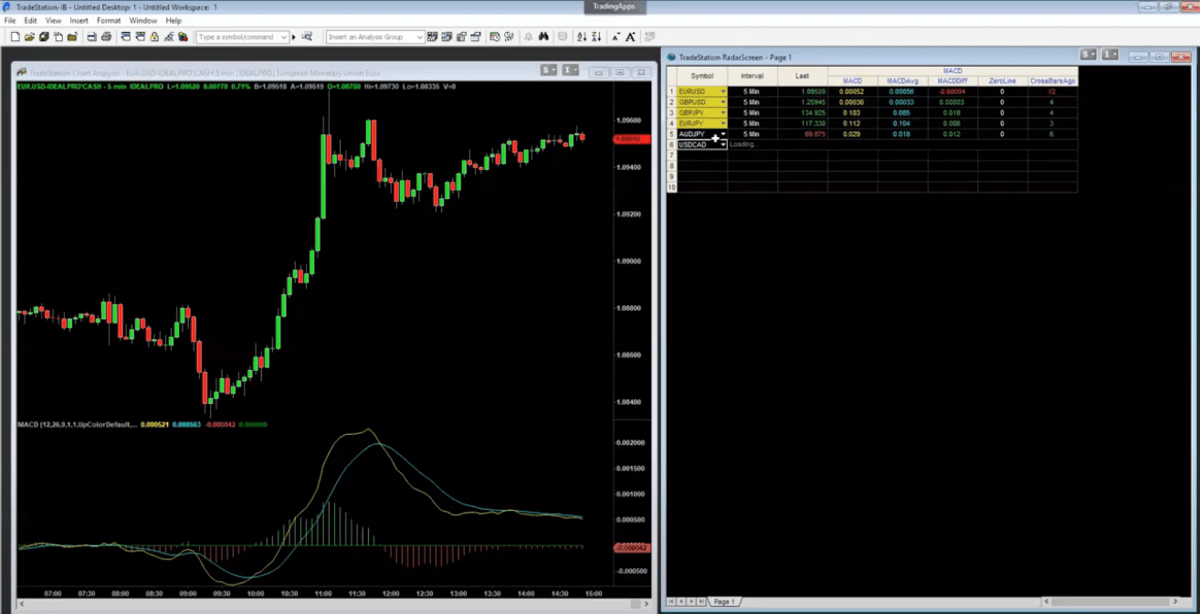
Professional-grade trading platforms equipped with algorithmic trading capabilities and extensive charting enhance decision-making efficacy. Brokers such as Forex.com and XM offer APIs and sophisticated order types, appealing to algorithmic and quantitative traders. The inclusion of research tools, social trading features exemplified by eToro, and real-time data analytics create a conducive environment for strategic trading.
Educational resources empower traders to navigate the complexities of CFDs. Brokers like CMC Markets and City Index provide webinars, tutorials, and detailed guides tailored to varying expertise levels. Access to these resources, alongside demo accounts, can significantly enhance a trader’s skill set, thereby improving their prospects for success and mitigating the high risk associated with CFD trading.
The impact of fees and trading conditions on profitability
Profitability in CFD trading is often eroded by hidden or excessive fees. While many brokers advertise low commissions, the cumulative impact of spreads, overnight financing costs, and withdrawal fees can be substantial. Leading brokers prioritize transparency; for example, Saxo Bank and AvaTrade clearly disclose all charges upfront, enabling traders to calculate potential costs accurately.
Furthermore, withdrawal processing times and deposit methods influence the overall trading experience. Brokers offering multiple options and swift transaction turnaround, including digital wallets and bank transfers, enhance trader convenience. Consulting broker support services, as recommended by resources like broker-vista.com, can clarify these operational nuances.
