
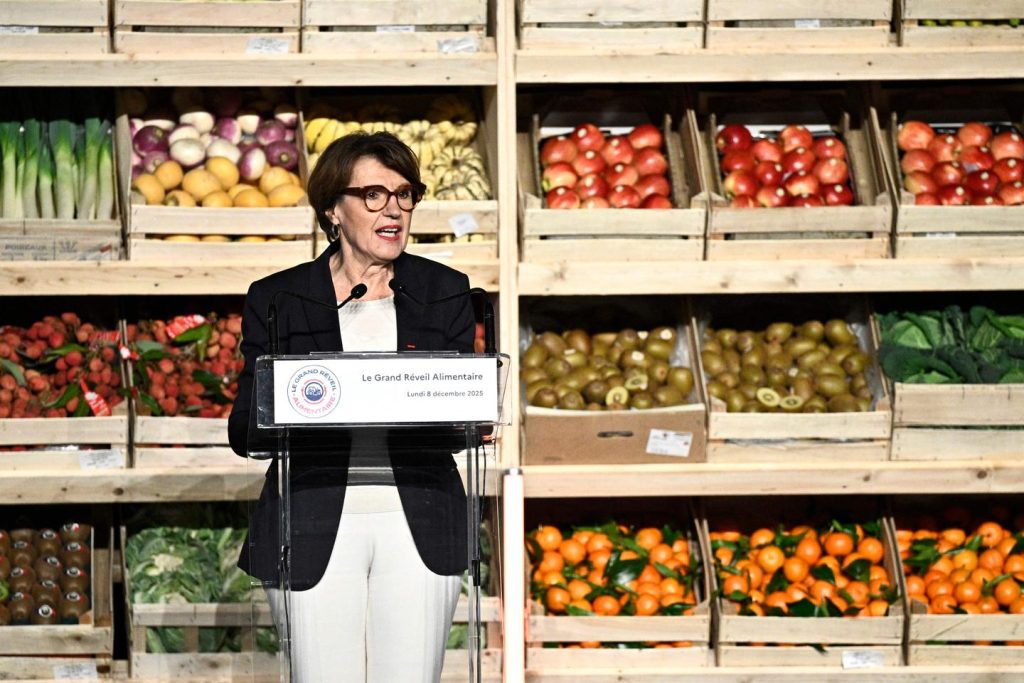
Trade Talks in 2026 have reached a boiling point as Annie Genevard, the French Minister of Agriculture, launched a scathing critique against major retailers, accusing them of engaging in a form of deadly blackmail over ongoing negotiations. The clash exposes deep fractures within the supply chain and highlights the intense economic pressure gripping the agro-food sector. This conflict is not just a typical business dispute; it puts at stake the livelihood of numerous small producers and the broader agricultural market equilibrium.
The root of the issue lies in the inflexible demands from large retail groups who have insisted on lowering purchase prices despite rising production costs. Genevard described these tactics as incompatible with the realities faced by manufacturers, who increasingly struggle to remain profitable. The result is a tension-filled standoff where retailers threaten to delist brands that do not yield to their demands, a tactic the Minister categorically warned as “destructive and threatening the entire value chain.”
Annie Genevard’s Rebuke of Retail Giants Raises Stakes in Trade Talks
In the landscape of 2026’s aggressive trade talks, Annie Genevard’s public condemnation signals a dramatic escalation. By labeling the retailers’ hardline approach as “deadly blackmail,” she sheds light on a market conflict that extends beyond price disputes to the very sustainability of agro-industrial enterprises. This confrontation reveals how commerce negotiations, traditionally seasonal and complex, have deteriorated into a high-stakes struggle with widespread repercussions.
Genevard’s criticism follows revelations from Lactalis, the dairy giant, which reported that certain European buying groups associated with major retailers such as Intermarché, Auchan, and Casino have resorted to removing products from shelves to force downward price adjustments. This aggressive leverage tactic underscores a broader pattern of power imbalance within the sector. It calls into question the current regulatory frameworks that some argue have been circumvented, fueling the need for reform at the European level.

The Enduring Impact of Supply Chain Strain on Agricultural Producers
The fallout of this business dispute ripples all the way to farmers, who find themselves squeezed by the pressure cascading down the supply chain. Genevard stresses that the consequences jeopardize the remuneration of industrial producers and, ultimately, threaten agricultural producers’ incomes. These dynamics reveal the fragility of the chain that connects the initial agricultural production to the end consumer via complex commerce negotiations.
Importantly, this conflict unfolds amid ongoing discussions about tightening legislation to close loopholes exploited by European buying groups—a subject that Genevard plans to raise with EU commissioners during the upcoming Salon de l’Agriculture. This move symbolizes the wider ambition to bolster small and medium enterprises and forge a fairer system of trade negotiations, reflecting global concerns seen in other crises such as the tensions around Greenland tariffs or EU-US trade dynamics.
Regulatory Shifts and Strategic Negotiations: Seeking Resolution Amidst Turmoil
The brutal nature of negotiations—from December to March every year—typically sets retail pricing for agricultural products outside private label brands. The current strife underscores how those talks have reached a critical juncture, with the government’s mediation so far yielding mixed results. The introduction of a charter aimed at easing disputes and safeguarding SMEs appears insufficient against entrenched commercial tactics wielded by powerful retailers.
The challenge is illustrative of a broader trend within the global trade ecosystem, where economic pressures redefine traditional roles and impose new strategic imperatives. The intersection of agriculture and retail epitomizes a key battleground where trade talks in 2026 reveal tensions not only in pricing but in governance and corporate ethics. Navigating this complex matrix calls for innovative negotiation strategies and stronger institutional frameworks, echoing lessons from other international trade arenas.
A nuanced understanding of such disputes can be deepened by exploring successful negotiation strategies, while contextual insights about broader geopolitical trade pressures are accessible through resources like Europe’s firm stance against tariffs, reflecting a global backdrop influencing local commerce conflicts.
