
Negotiation remains a cornerstone of success in countless fields, from high-stakes business environments to everyday interpersonal exchanges. The ability to craft a compelling negotiation strategy is not merely about securing a deal but about employing nuanced communication and deft influence to align interests and resolve conflicts effectively. Today’s negotiation landscape demands that professionals combine persuasion, bargaining, and compromise with deep problem solving skills to achieve mutually beneficial outcomes. Across industries, mastering these skills is a dynamic process; insights drawn from ongoing geopolitical discussions such as the Ukraine-Russia negotiations demonstrate the critical interplay of patience, strategic thinking, and emotional intelligence in conflict resolution.
In the whirlwind of 2026, where global trade climates are continuously shifting and regulations affecting brokers and other key players are evolving, negotiation excellence is an indispensable asset. From collective labor bargaining to international peace talks like those involving Ukraine and Putin, understanding how to manage dialogues and leverage tactical concessions remains a vital skill set. Equally, in the corporate realm, halts in deal talks exemplify the complexities negotiators face daily, underscoring the need to recalibrate tactics swiftly, seen in cases like the Sonoco negotiations halted. The synthesis of strategic preparation, active listening, and adaptability is crucial to outmaneuvering challenges and prioritizing long-term relationship building.
Whether it is recovering lost funds in broker dealings or navigating disputes related to worker strikes such as the Krampouz employees strike, the essence of successful negotiation lies in a delicate balance of assertiveness and empathy. This balance empowers negotiators to build trust and create frameworks where conflict resolution does not come at the expense of progress. As such, negotiation ceases to be a mere transactional interaction and transforms into an art form, one where the strategic deployment of influence can lead to innovative and sustainable solutions across private and public sectors.
Key highlights: Effective negotiation hinges on strategic communication and active problem solving; adapting to evolving regulatory and geopolitical climates is essential; successful bargaining relies on a mix of persuasion, compromise, and understanding conflict dynamics to foster durable success; real-world cases like Ukraine peace talks and labor disputes illustrate the multifaceted nature of negotiation today.
Unlocking Negotiation Strategy: Building a Framework for Success
Developing a robust negotiation strategy requires an understanding that each negotiation is inherently unique, influenced by the personalities involved and the stakes at hand. At the strategic level, the goal is to structure interactions that enable collaborative problem solving rather than combative standoffs. This shift in approach embraces the concept that separating people from problems can defuse tensions and create a platform for creative resolutions. In practical terms, negotiators must anticipate the interests of all parties and prepare contingencies to pivot when necessary—as witnessed in the meticulous preparations underlying European leadership talks or the key negotiation efforts in Europe.
Integrating emotional intelligence into negotiation frameworks is equally critical. Recognizing subtle cues and managing emotional triggers on both sides transforms a negotiation from a challenge of wills into an opportunity for genuine engagement and persuasion. Tailoring communication styles to reflect stakeholders’ expectations nurtures cooperation and can prevent discussions from deteriorating into unproductive conflict. The blend of these considerations forms the foundation of strategies that have successfully navigated complex scenarios, ranging from trading broker regulations to sensitive corporate bargaining.

Harnessing Communication and Conflict Resolution Skills
The linchpin of any negotiation lies in superior communication paired with adept conflict resolution. Master negotiators prioritize active listening and open dialogue, allowing them to identify underlying issues beyond surface demands. This approach increases the likelihood of uncovering shared interests and discovering areas for compromise.
Exploring recent developments such as the independent nurses’ pay negotiations reveals how transparency and frank communication can recalibrate expectations, even in emotionally charged sectors. Moreover, the ability to manage and channel emotional intensity positively ensures negotiations maintain momentum toward positive outcomes. When disagreements arise, the focus shifts from confrontation to problem identification, inviting innovative solutions and fostering a climate conducive to trust.
Leveraging Influence and Persuasion Tactics to Secure Agreement
In the art of negotiation, effectively applying influence and persuasion distinguishes successful outcomes from stalemates. These tactics involve crafting arguments that resonate with the counterparts’ values and objectives, making it easier to bring them along to a shared vision.
A case in point is the evolving geopolitical bargaining surrounding ongoing Trump-Ukraine negotiations, where subtle diplomatic signaling and strategic messaging play pivotal roles in moving conversations forward. Such examples highlight the importance of conveying confidence without rigidity and adapting messages in response to emerging developments.
Meanwhile, in commercial negotiations, mastering persuasion entails presenting not only benefits but also mitigating concerns through factual data and reasoned argument, as companies seek to avoid costly disruptions like those witnessed during the 2026 budget negotiations in France.
Balancing Bargaining and Compromise for Optimal Outcomes
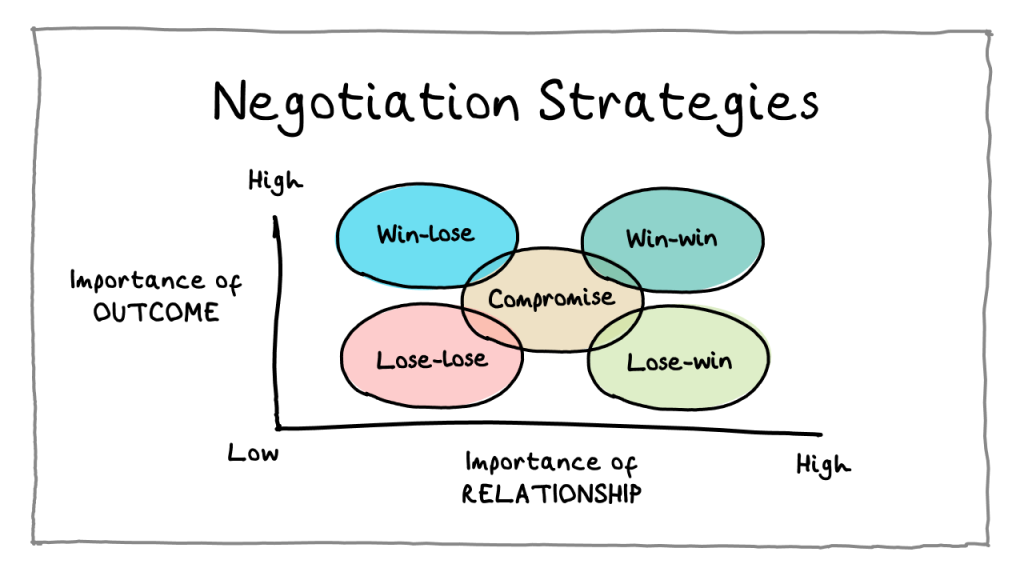
While assertiveness is necessary to advocate for one’s interests through bargaining, awareness of when and how to employ compromise is the hallmark of a seasoned negotiator. Achieving balance between holding firm and yielding controls the pace and tone of discussions and allows both sides to feel their essential needs are recognized.
Examples abound in labor negotiations where striking this balance determines whether disputes escalate or resolve amicably. The recent collective bargaining processes offer insights into how fostering equitable give-and-take leads to agreements that withstand scrutiny over time.
