Entering the world of Forex trading unfolds as an adventure into the largest and most liquid financial market globally. For aspiring traders, understanding the intricate dynamics of forex trading accounts forms the backbone of their journey. These accounts are not mere gateways but sophisticated tools that dictate how trading unfolds, influencing factors such as risk, leverage, and strategy execution. Navigating through the diversity of account types available in 2025, one must grasp how choices between demo, standard, mini, and ECN accounts impact both capital exposure and trading agility. The landscape is further enriched by a myriad of brokers like OANDA, IG, and CMC Markets, each offering unique blends of platform features and regulatory frameworks. In this realm, selecting a broker becomes an exercise not only in assessing technical capabilities but also in evaluating trustworthiness and compliance, as the stakes involve real money and market volatility. Moreover, adapting to the latest tools—from advanced algorithmic trading platforms to cutting-edge mobile interfaces—can significantly enhance trade execution and risk management.
As the Forex market continuously evolves, the need for a solid understanding of how trading accounts operate transcends basic knowledge. This involves appreciating the nuances of leverage and margin, recognizing the importance of segregated accounts to protect client funds, and mastering order types that tailor entry and exit strategies to market conditions. In parallel, recognizing the significance of broker commission structures, spreads, and trading costs helps in optimizing profitability and ensuring transparency. While the appeal of potential gains captivates many, the inherent risks mandate a disciplined approach—investors must never trade beyond their capacity to bear loss. This prudence is complemented by seeking brokers with robust customer support and comprehensive educational resources, attributes prominently offered by established names like eToro and XM. Ultimately, a well-chosen Forex trading account serves not just as an access point but as a steadfast partner in navigating the complex, fast-paced world of Forex trading.
Understanding the Different Types of Forex Trading Accounts
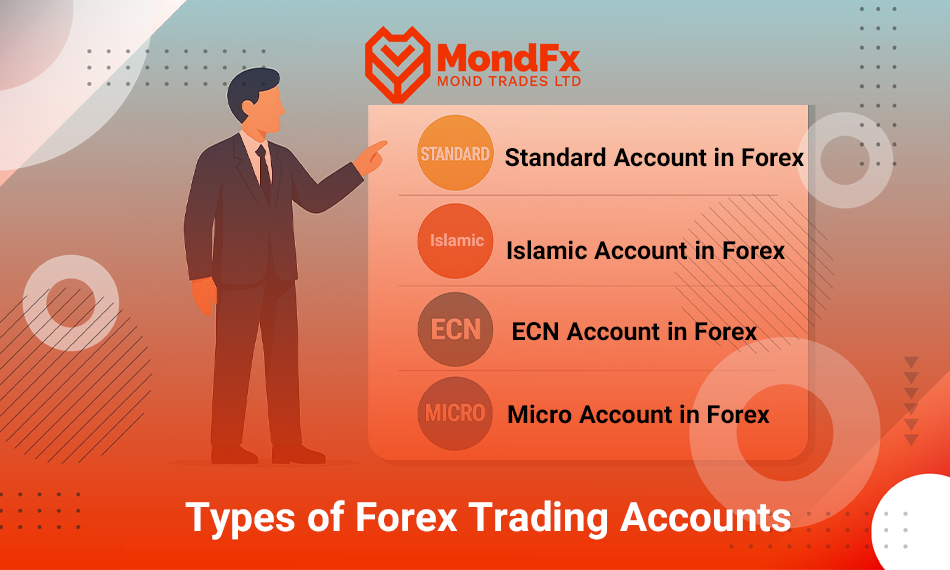
The forex trading arena in 2025 offers traders a variety of account types tailored to distinct needs and experience levels. From demo accounts designed to hone skills without financial exposure, to standard and mini accounts that introduce real capital risks in calibrated environments, choosing the right account demands strategic discernment. Demo accounts are invaluable for beginners, allowing experimentation with virtual funds and familiarizing traders with platforms such as MetaTrader 5 or proprietary systems deployed by brokers like Pepperstone and Saxo Bank. These risk-free environments help build confidence before capital is introduced.
Once ready to trade with real money, standard accounts typically require higher initial deposits but offer lower spreads and better execution speeds, catering to more experienced traders aiming for substantial volume. In contrast, mini or micro accounts reduce entry barriers with small minimum deposits, making them attractive for those eager to test strategies with limited risk while benefiting from leverage features discussed in detail on leverage and margin trading guides.
Another sophisticated choice is the ECN (Electronic Communication Network) accounts, preferred by high-frequency and professional traders. They provide direct access to liquidity providers, tighter spreads, and more transparent pricing — advantages that platforms from regulated brokers like Interactive Brokers often emphasize to ensure compliance and fund security. Each account type’s fee structures, whether commission-based or spread-only, must be scrutinized carefully to align with individual trading volume and strategy preferences.
Choosing the Right Broker for Your Forex Trading Account
In 2025, selecting a reputable forex broker remains paramount to trading success. The ideal broker blends stringent regulation, usually certified by authorities such as the Estonian Financial Supervision Authority or EU regulators, with cutting-edge platform capabilities that facilitate fast trade executions and secure fund handling. Brokers including IG, AvaTrade, and XM exemplify providers balancing regulatory adherence and user-friendly experiences on desktop and mobile devices.
Further, traders benefit from brokers supporting multi-asset trading as it allows diversification beyond forex into CFDs and other instruments, adding layers of opportunity and potential risk mitigation. Recognizing platforms that emphasize education—through webinars, tutorials, and demo environments—empowers traders to adapt quickly to market changes and refine their approaches.
Given the proliferation of cryptocurrency trading alongside traditional forex, many brokers now incorporate integrated wallets and advanced alert systems within their account offerings, underscoring the importance of keeping abreast with technological innovation when assessing brokers. Consulting comprehensive broker reviews and guides can reveal nuances in fees, withdrawal policies, and support responsiveness which ultimately impact trader satisfaction and results.
Key Features and Risk Management Tools in Forex Trading Accounts
Modern forex trading accounts are equipped with a spectrum of tools essential for managing risk and optimizing trading operations. Use of stop-loss and take-profit orders is fundamental, enabling automatic trade closure at predetermined thresholds which guard against excessive losses or lock in gains. Platforms offered by popular brokers facilitate such features seamlessly, promoting disciplined trading aligned with personalized risk appetites.
Leverage, while a double-edged sword, remains pivotal; knowledgeable traders tailor exposure sizes based on account limits and market volatility to preserve capital longevity. Technologies that enable real-time margin monitoring and alerts prevent inadvertent over-leveraging, a critical safeguard when volatility spikes unexpectedly. In this regard, brokers like Forex.com and eToro provide comprehensive risk management suites embedded directly within their trading ecosystems.
Transparency in spreads and commissions also plays a decisive role in profitability. Tight spreads reduce trade costs directly, a factor magnified for high-volume or scalping strategies. Understanding these cost structures, accessible through detailed broker fee comparisons, enhances strategic planning and helps avoid hidden expenses that erode returns.