
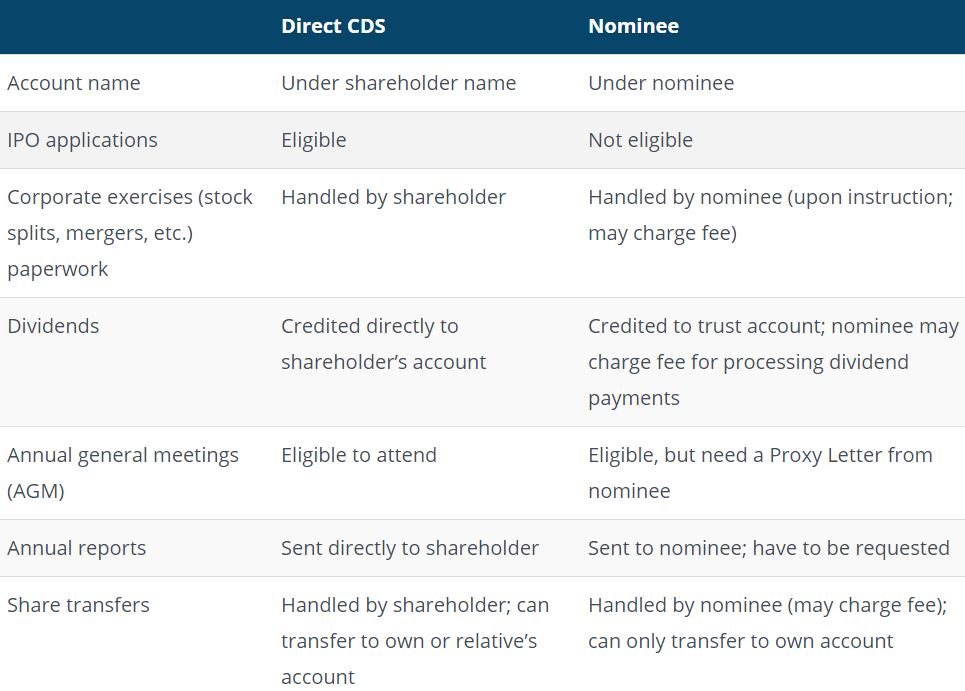
Choosing a brokerage account in 2025 demands more than just a glance at surface commissions; it requires a deep understanding of the diverse fees that can significantly affect investment returns. Brokers like Charles Schwab, Fidelity, and Interactive Brokers offer varying fee structures reflecting their unique service models and platforms. A comprehensive grasp of these charges, from annual and inactivity fees to commissions and transfer costs, paints a clearer picture for investors aiming to maximize portfolio growth amidst a competitive market.
Many investors often overlook the intricate fee schedules that accompany trading accounts, leading to unexpected costs that erode gains over time. While some platforms such as Robinhood champion commission-free trades, others like Vanguard may impose annual fees unless clients opt for digital statements. Understanding the nuances behind each fee type, including when and how they’re applied, empowers investors to make informed decisions tailored to their trading habits and financial goals.
In brief:
- Brokerage fees encompass a variety of charges beyond simple trade commissions, including annual fees, account maintenance charges, margin rates, and transfer costs.
- Fee structures differ between full-service brokers, such as Merrill Edge, and discount brokers like Robinhood, influencing the total cost of ownership.
- Asset type and trading volume directly influence fees; mutual fund investors often face sales loads, while higher trade frequency can increase commission expenses.
- Evaluating trading platforms for advanced tools and service quality is essential, as platforms with comprehensive research and analytics may justify higher fees.
- Using tools such as a trading costs calculator supports personalized comparisons based on individual trading behavior and preferences.
Decoding the True Cost of Brokerage Accounts in 2025
Brokerage account fees extend well beyond the visible transaction commissions commonly advertised. They form a complex system of charges designed to cover operational, service, and analytical costs. Platforms like TD Ameritrade and Ally Invest illustrate the spectrum of fee models, some emphasizing maximum accessibility with low or zero commissions, while others integrate fees for enhanced services such as research and wealth management.
Investors must scrutinize fees such as annual and account maintenance charges, which can silently accumulate. For instance, while Vanguard imposes a $25 yearly fee unless clients opt for electronic delivery of documents, TradeStation can charge up to $149.95 monthly for account services on certain plans. Recognizing the operational motives behind these recurring fees highlights the value one receives versus the cost incurred. This balance is pivotal when comparing offers from industry players like Interactive Brokers and Charles Schwab.
Impact of Trading Volume and Asset Selection on Brokerage Fees
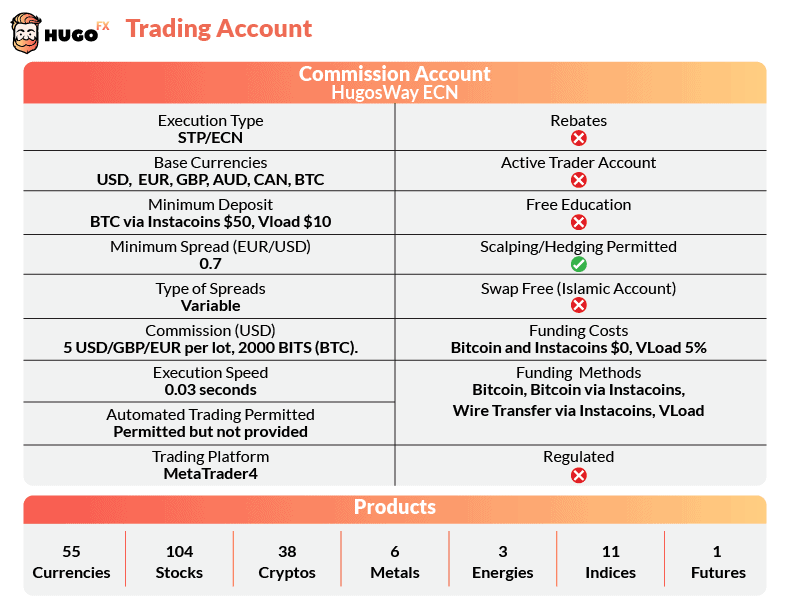
Brokerage costs are intrinsically linked to the volume and type of assets traded. Commission fees vary widely: Blueberry Markets charges around $3.5 per side for forex trades and fractions of a dollar for stock shares, while other providers might offer zero-commission trading on equities but monetize services through spreads or research subscriptions. Different securities entail distinct fees; mutual fund investors frequently encounter sales loads or fund fees, as seen with some offerings at Charles Schwab, where transaction fees can reach $74.95 when buying certain funds.
High-frequency traders experience amplified exposure to transaction commissions and margin fees, necessitating scrutiny of brokers’ tiered rates. For example, Robinhood applies a margin rate of 6.75% for balances under $50,000, offering reduced rates for larger portfolios. Tailoring account selection to one’s trade patterns and asset mix is crucial to managing long-term investment costs effectively.
Full-Service vs. Discount Brokers: Evaluating Fees Relative to Offerings
Full-service brokers like Morgan Stanley and Merrill Edge cater to clients desiring comprehensive financial advisory services, detailed market analysis, and wealth management support. This enhanced service suite correlates with generally higher fees, including annual percentages of assets under management (AUM) and research subscriptions.
Conversely, discount brokers such as Webull and E*TRADE focus on providing cost-effective trade execution platforms without personalized advice. These brokers tend to levy lower or no commissions on trades, appealing to self-directed investors who prioritize price over service breadth. The choice between these models should align with an investor’s comfort with self-managed portfolios versus the desire for expert guidance.
Utilizing Tools to Navigate Fee Comparisons
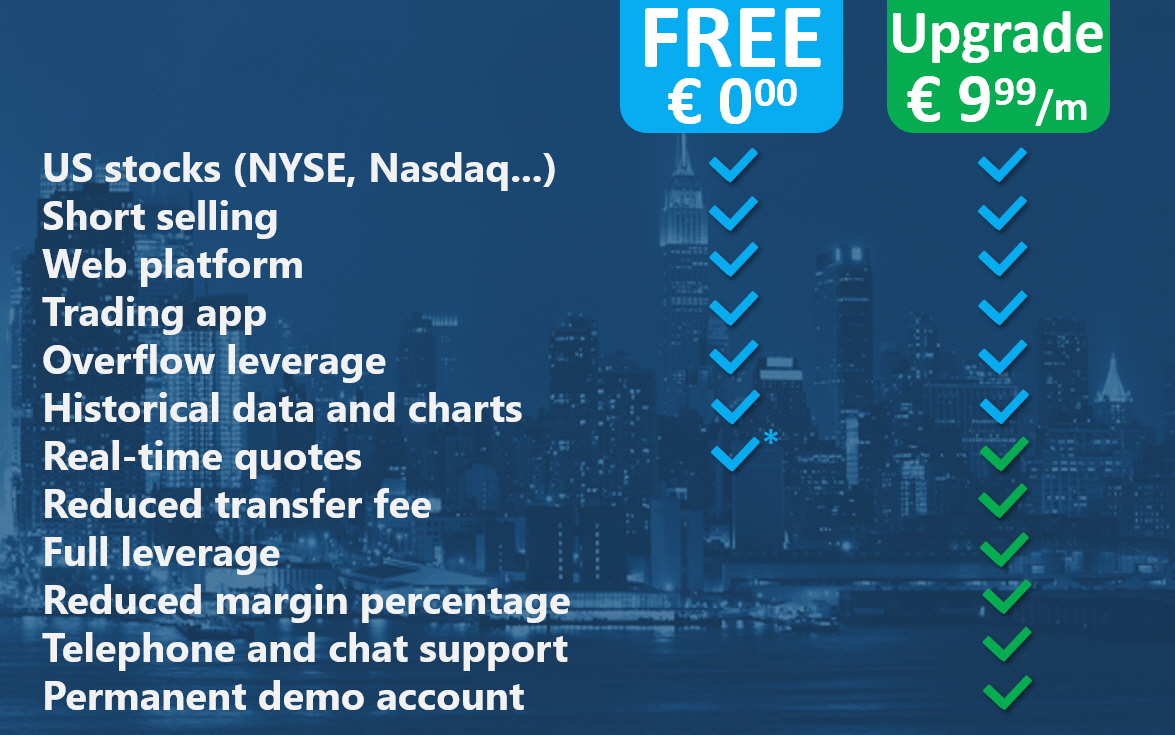
Investors should leverage resources such as trading costs calculators and broker comparison guides to simulate costs based on their specific trade sizes and frequency. These tools rank brokers from cheapest to most expensive for each investor’s profile, considering commissions, spreads, margin, and hidden fees. Awareness of additional charges like transfer fees—E*TRADE, for example, charges $75 for full account transfers—and account closing fees is vital to avoid surprises during broker transitions.
Furthermore, platforms offering demo accounts and comprehensive broker reviews enable prospective clients to explore usability and service quality without financial risk. Such due diligence reveals the often-unseen trade-offs between cost savings and operational reliability.
