
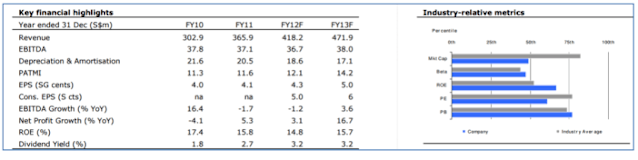
For many investors in 2025, broker financial reports remain an indispensable tool to gauge the performance and legitimacy of their investment accounts. Yet, the subtle complexities embedded within these statements often prevent a thorough understanding, which can lead to overlooked errors or missed opportunities. These reports serve not only as a record of market activity but also as a diagnostic lens into the health and trajectory of one’s portfolio. In a landscape dominated by giants like Fidelity Investments, Charles Schwab, and Interactive Brokers, a skilled investor knows that careful scrutiny can distinguish between routine transactions and anomalies hinting at risk or misconduct.
Modern brokerage statements provide a comprehensive summary encompassing account details, income summaries, trading activity, fees, and margin positions. This mosaic of data, if approached methodically, reveals an investor’s true financial stance and the soundness of their brokerage. With the advent of digital platforms led by names such as E*TRADE and TD Ameritrade, accessibility to these statements has improved, but the challenge remains in decoding them effectively. Understanding a broker report hinges on trusting not only the numbers shown but also the sources and verification processes, such as those detailed in account verification procedures. The reports from entities like Thomson Reuters and Bloomberg often inform the data foundation behind these statements, reinforcing their analytical value.
Unlocking the True Value of Broker Financial Reports in 2025
Brokerage statements aren’t mere compilations of transactional data; they are fundamental narratives outlining the evolution of your investments over defined periods. The statement period or end date is particularly crucial, as it anchors all reported figures to a specific timeframe, enabling comparative analyses and trend identification. Investors benefit by examining these dates consistently—typically monthly—to observe fluctuations that may demand strategic adjustments.
The account information and contact details portions must never be overlooked. Confirming the accuracy of the account ownership, mailing addresses, and financial professional contacts—whether from representatives associated with Fidelity Investments or customer service teams at newer online platforms—can protect against identity errors or fraudulent activity.
Detecting Discrepancies and Gauging Portfolio Health
The clearing firm’s details included in the statement reveal the custodian responsible for assets, a vital checkpoint in confirming the statement’s integrity. Spotting inconsistencies between the clearing firm records and your brokerage firm contacts can signal operational inefficiencies or, worse, misconduct.
Likewise, the account summary paints the broader performance picture—highlighting returns relative to the last reporting cycle and suggesting whether portfolio rebalancing might be in order. Particularly in fluctuating markets, consistently static returns or figures disproportionate to market norms, as reported by financial news outlets like MarketWatch and Financial Times, should raise red flags.
Analyzing the income summary offers insights into dividends, interest, and bond maturities, but investors must maintain skepticism towards estimated yields, recognizing their speculative nature. Auditing income sources against actual deposits safeguards against unnoticed errors or unauthorized credits.
Fees, Activity Review, and Margin Insights: Critical Examination Required
Scrutinizing the fee structure on your statement is indispensable for maintaining a clear understanding of net investment returns. This review is especially pertinent given the varied fee regimes across brokerages—some may impose hidden costs or surprisingly hefty commissions. Resources comparing broker fee structures help investors avoid unwelcome surprises and optimize cost efficiency.
Verifying account activity such as trades, deposits, and withdrawals demands attention to detail to ensure legitimacy and accuracy. Reconciling these with trade confirmations received avoids inadvertent errors or unauthorized operations, a practice essential when operations involve high-frequency trading or derivatives.
Margin account sections articulate the leverage applied to investments. Awareness of outstanding loans and interest paid on borrowed funds guards against underestimated financial exposure. Approaching margin use critically avoids entanglements with unexpected costs or unauthorized securities purchases, an issue highlighted frequently in brokerage investor advisories.

Portfolio Composition and Understanding Legal Disclosures
The portfolio detail section allows investors to appraise asset-level information and diversification—a key component aligning with personalized risk tolerance and long-term objectives. Investors benefit from noting details like bond insurance ratings and unrealized gains or losses, often informed by trusted analytical platforms such as Morningstar.
Lastly, disclosures and definitions at the statement’s conclusion demystify jargon and present essential legalities. Matching these fee disclosures with actual charges prevents confusion, while awareness of institutional regulatory frameworks offers an additional protection layer.
Ensuring Fidelity and Authenticity in Your Brokerage Statements
Appearance matters immensely; professional and unaltered statements reflect reliability. Unprofessional logos, inconsistent fonts, or suspicious formatting should never be ignored as they may signal counterfeit documents attempting to mimic reputable firms.
If discrepancies arise, prompt action using authoritative channels such as your brokerage’s customer service or regulatory complaint platforms is essential to safeguarding assets. The FINRA Securities Helpline remains a crucial resource, especially when facing unresolved issues, reinforcing the need for vigilance and proactive engagement.
