

Navigating the modern landscape of trading platforms can feel overwhelming, especially for beginners eager to dive into social trading. The rise of social trading platforms in 2025 reflects a fundamental shift in how individuals invest: turning from solitary decision-making to a collaborative, transparent experience informed by collective intelligence. Among the vast array of options, platforms like eToro, ZuluTrade, and NAGA lead the charge by combining innovative technology with social features that empower novice traders to learn from seasoned investors while mitigating risks through automated strategy replication. These platforms not only democratize access to stock markets, cryptocurrencies, and forex trading but also enhance educational opportunities through interactive communities and AI-driven insights. As investors increasingly seek brokerage environments that blend user experience, security, and low costs, discerning the most beginner-friendly social trading platforms requires a careful examination of their transparency, regulatory robustness, fee structures, and educational resources.
In brief, the success of social trading platforms for beginners in 2025 hinges on their ability to merge social connectivity with credible, trustworthy brokerage services. Platforms such as eToro excel by offering intuitive copy-trading features and extensive asset selections. ZuluTrade distinguishes itself with transparent signal provider metrics, while NAGA attracts users through a dynamic community and integrated crypto wallet. Safeguarding investments demands a preference for brokers subject to strict regulatory oversight, such as those with protections by the SEC and SIPC in the United States. Moreover, transaction fees, minimum deposit requirements, and demo accounts play crucial roles in ensuring a safe and accessible entry point for newcomers. A well-rounded approach to choosing these brokers, including understanding risk and leveraging educational content, can significantly shorten the learning curve and enhance the potential for successful trades.
Understanding Social Trading Platforms: A Gateway for Beginners
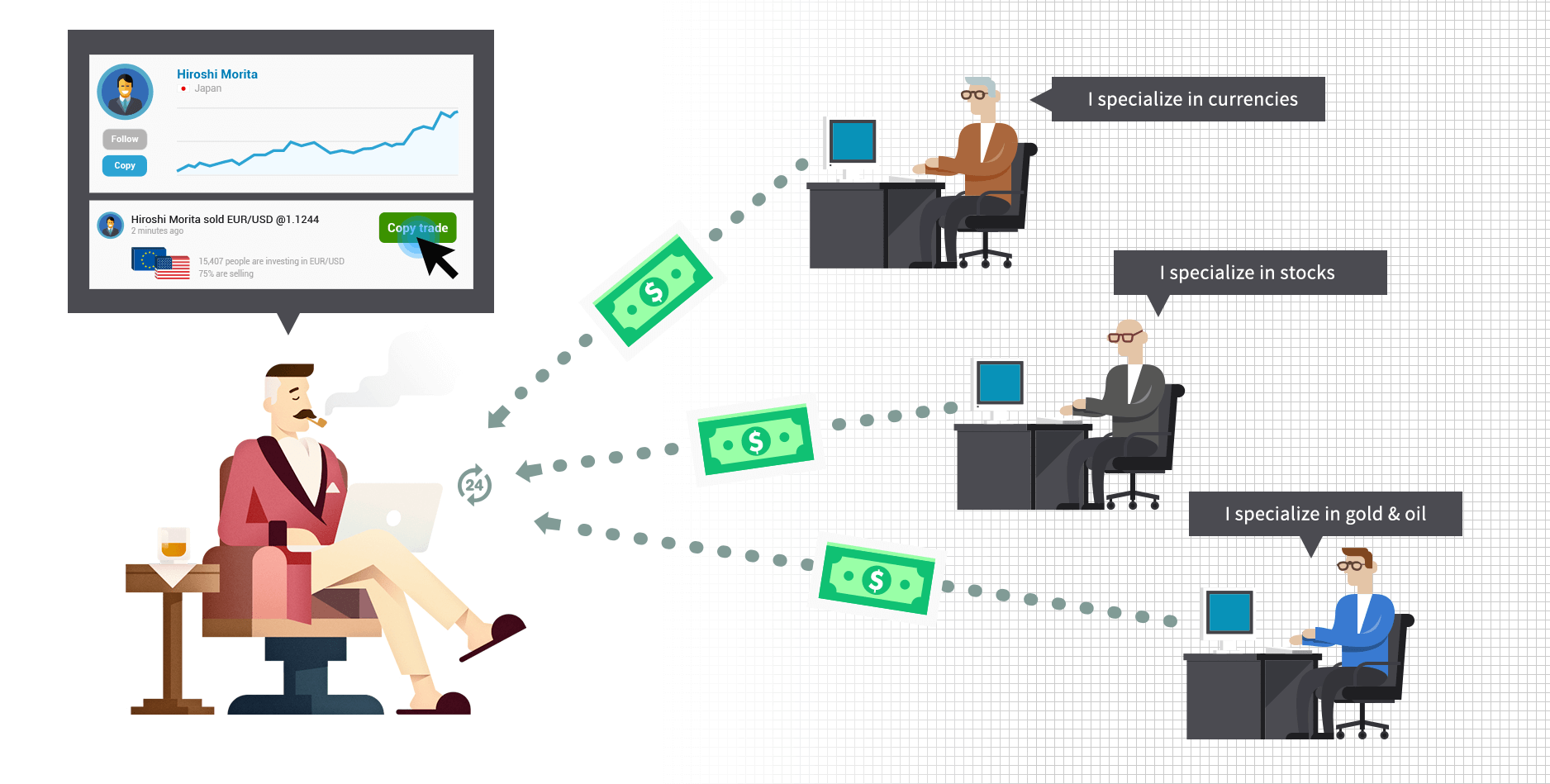
Social trading platforms revolutionize the beginner’s journey by transforming investment from an isolated activity into a communal experience. At their core, these platforms facilitate the replication of trades from expert investors, blending real-time strategy sharing with automated execution, which reduces the intimidation barrier for novices. This approach not only encourages knowledge transfer but also enables diversification by spreading investments across multiple strategies observed in the community. For instance, users of eToro’s CopyTrader benefit from a transparent performance history of traders they follow, making socially driven investment decisions more data-informed. The communal aspect fosters a learning environment where users can engage in discussions, share insights, and stay updated on market trends—all essential for building confidence in trading. By offering demo accounts, as seen in many platforms, beginners can practice without financial exposure, a vital feature to guard against early missteps and capital loss.

Evaluating Brokerage Security and Regulatory Compliance
Security and regulatory compliance form the cornerstone of trust in social trading brokerages. Platforms operating within stringent regulatory frameworks such as those overseen by the SEC in the U.S. or the FCA in Europe provide users with consumer protections, including account insurance coverage and oversight against fraudulent practices. This regulatory attention ensures that brokers like eToro, AvaTrade, or Plus500 maintain segregated client funds and robust anti-money laundering policies validated through Know Your Customer (KYC) verification processes. Such measures significantly reduce risks associated with broker insolvency or financial misconduct. Beginners should prioritize brokers featured in comprehensive regulatory directories or those verified by reputable authorities to safeguard their investments in an increasingly crowded market. Furthermore, understanding the implications of trading complex products like Contracts for Difference (CFDs) is critical, as leveraged instruments entail a higher risk profile that may not be suitable for all traders.
Key Features Making Social Trading Platforms Beginner-Friendly
Adopting social trading as a novice requires platforms to offer several critical features that facilitate ease of use and protect against common pitfalls. These include:
- Intuitive interfaces: Platforms such as eToro and Tradeo present trading dashboards that mirror social media layouts, reducing complexity and encouraging user engagement.
- Demo accounts and virtual funds: Allowing beginners to experiment with strategies without financial risk, this is a crucial learning tool. Platforms are readily found by consulting guides such as broker demo accounts guide.
- Copy trading and automated strategies: Services like CopyMe and Myfxbook AutoTrade enhance risk management by enabling the automatic mirroring of experienced traders’ positions tailored to one’s risk tolerance.
- Comprehensive educational materials: Trading education through tutorials and community interactions strengthens foundational knowledge and improves trading outcomes, as detailed in best brokers education resources.
- Transparency and performance metrics: Real-time data on trader performance empowers users to make informed decisions when selecting portfolios to copy, a feature robustly implemented on platforms like ZuluTrade.
These features collectively empower new traders to start their investing journey with confidence while offering the support needed to navigate market volatility and avoid common beginner mistakes.
The Role of Fees, Deposit Requirements, and Accessibility
For many beginners, cost considerations are paramount. Platforms that offer commission-free trading models, as analyzed in commission-free trading brokers reviews, help preserve traders’ limited capital by reducing the impact of fees on returns. Minimum deposit thresholds also serve as gatekeepers; lower entry points, such as the $100 minimum on eToro or even zero minimums highlighted in best no minimum brokers listings, enable wider participation without substantial upfront commitments. Additionally, the availability of diverse payment solutions, including bank transfers, credit/debit cards, and e-wallets, enhances accessibility by accommodating different user preferences. Platforms prioritizing user-friendly mobile applications further empower traders to engage with markets dynamically anywhere, as recommended in resources like mobile trading for beginners. Transparent fee disclosures are equally important to avoid hidden costs such as inactivity fees or withdrawal charges, which can erode early gains and frustrate new traders.
Selecting the Right Social Trading Platform in 2025
Choosing an appropriate social trading platform requires a clear assessment of one’s investment goals, preferred markets, and desired level of interaction with the community. Beginners typically benefit from platforms that offer a broad selection of asset classes, including equities, forex, commodities, and cryptocurrencies. Tradeo and Darwinex offer options blending manual and automated trading tailored to varying risk appetites. For those looking to combine social aspects with automated strategy copying, platforms like Ayondo provide a mix of performance transparency and control. Evaluating each platform’s educational offerings, security certifications, and user experiences – for example through compare broker reviews – helps ensure alignment with individual needs. The evolving technology landscape continues to push these platforms to offer more personalized tools and AI-driven analytics, thus enhancing strategic decisions and minimizing reliance on trial and error.
