
Navigating the complex landscape of broker accounts in 2025 demands a strategic understanding of one’s trading objectives and the technological nuances defining today’s platforms. Active traders, those who capitalize on short-term market fluctuations through frequent transactions, must weigh multiple factors, including commission structures, platform usability, market access, and research tools. The surge in demand for comprehensive trading environments has pushed brokers like Interactive Brokers, Charles Schwab, and TradeStation to offer advanced customization, while others such as Robinhood and Webull appeal with streamlined interfaces and low-cost trades. Selecting the ideal brokerage requires not just combing through fees but evaluating the synergy between one’s trading style and the platform’s features, ensuring a partnership that supports both agility and informed decision-making.
In brief: Active trading success hinges on matching broker capabilities with trader needs, prioritizing low commissions, robust tools, and reliable customer support. Platforms like Interactive Brokers and TradeStation cater to sophisticated traders with complex requirements, whereas Charles Schwab balances comprehensive research with user-friendly access for a wider investor base. Evaluating account types, fee structures, and available asset classes, including the growing integration of cryptocurrencies and international markets, is essential. Moreover, understanding withdrawal policies, platform stability, and educational resources paves the way for seamless trading experiences, making brokerage choice a critical component of trading strategy.
Maximizing active trading potential through tailored brokerage selections
Active traders must consider broker accounts not merely as transactional gateways but as strategic enablers equipped with an arsenal of features tailored to rapid market engagement. Charles Schwab exemplifies this by offering commission-free trades on listed stocks, ETFs, and options, paired with multiple trading platforms such as Schwab.com and thinkorswim that cater to different proficiency levels. The inclusion of extensive research and market insights further fuels tactical decisions, a critical edge in active trading.
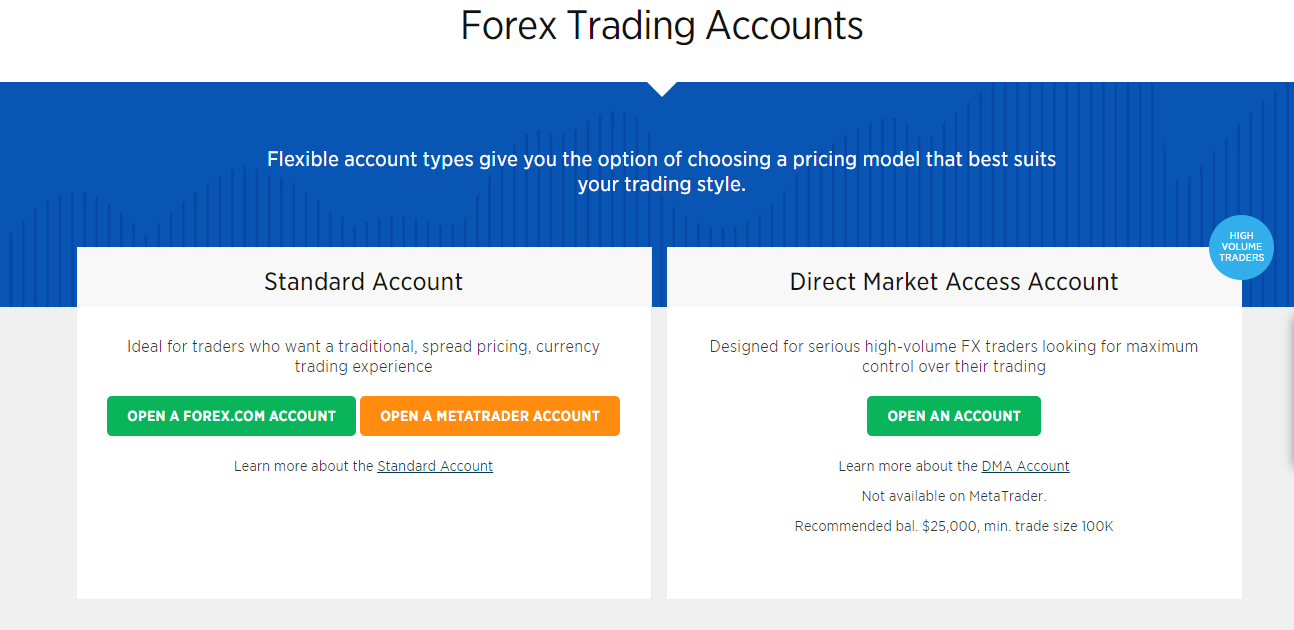
Conversely, brokers like Webull prioritize a community-driven trading experience, enhancing learning and strategy sharing among day traders through in-app features and paper trading competitions. This environment helps newcomers and veterans alike to refine strategies without risking real capital. Additionally, Webull’s commission-free trading on U.S. stocks and options, along with features such as a competitive APY on idle cash, provides a balanced ecosystem advantageous for high-frequency traders who require low operational costs and capital efficiency.
Assessing commission structures and trading platform functionality
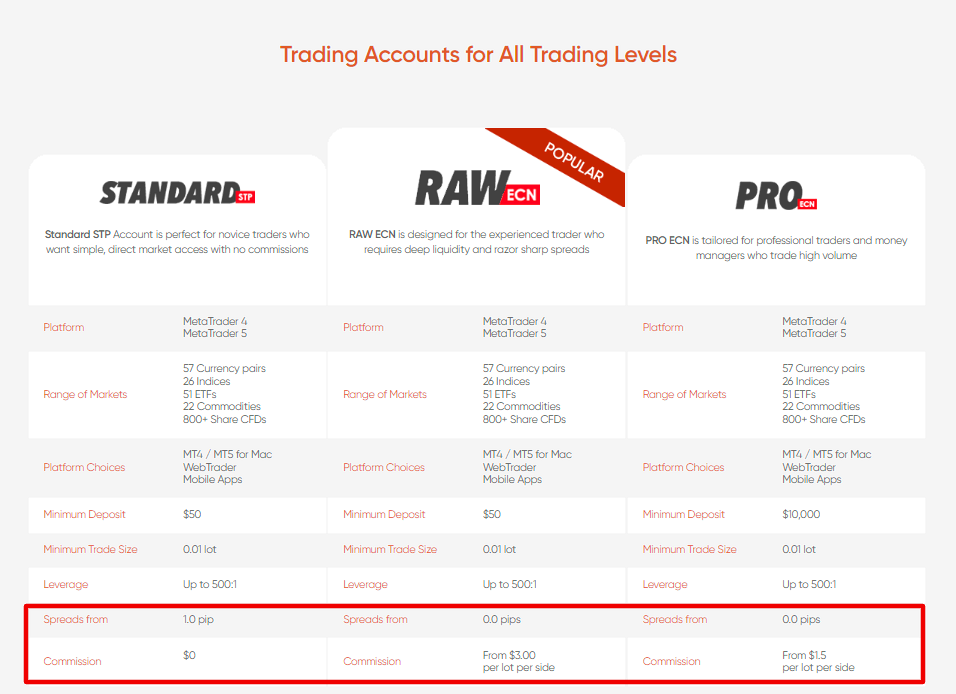
While zero commissions on stocks and ETFs have become industry standards among leading brokers such as Interactive Brokers, Fidelity, and E*TRADE, scrutinizing per-contract options fees and hidden charges remains pivotal. TradeStation, for example, charges around $0.60 per options contract but compensates with one of the most customizable and feature-rich platforms optimized for active traders seeking advanced charting and backtesting capabilities. Understanding these trade-offs is crucial; a platform’s advanced toolset might justify premium fees when aligned with a trader’s strategy complexity.
Moreover, the ability to access extended trading hours and secure 24/7 customer support can mitigate risks associated with delayed market reactions. These factors play into the choice between brokers like Fidelity, which excels in long-term investment education, and E*TRADE, known for its dynamic approach to active trading with its Power E*TRADE platform tailored to sophisticated trading tactics.
Incorporating diversified asset classes into active trading strategies
Expanding beyond traditional equities, active traders are increasingly leveraging multi-asset platforms to encompass stocks, options, futures, and even cryptocurrencies. Interactive Brokers leads in this regard, serving traders globally with access to over 150 markets and a broad suite of assets including crypto instruments. Such diversity supports tactical asset allocation and hedging in volatile markets, crucial for active portfolio management.
Meanwhile, eToro injects a social investing dimension by allowing traders to emulate the portfolios of successful peers via its CopyTrader feature, marrying social dynamics with active strategy development. Although lacking futures and forex, its strong crypto integration and educational materials make it a compelling option for active traders looking to diversify while gaining insights from the broader community.
Prioritizing security, regulations, and transparent fee disclosures
Trust remains paramount when selecting a brokerage for active trading. Traders must verify registrations with regulatory authorities like the SEC and FINRA, and confirm coverage by the Securities Investor Protection Corp (SIPC), as protection against brokerage insolvency. These assurances reinforce platforms like Charles Schwab and Merrill Edge, which offer robust investor protections alongside comprehensive advisory services.
Additionally, understanding fee disclosures, including withdrawal policies and inactivity fees, is vital. For example, while many brokers waive transfer fees, some may charge for account closure or inactivity, influencing the overall cost-effectiveness of the brokerage. Access to transparent and detailed information helps active traders maintain full control over their trading budget and avoid surprises.
Choosing an online broker in the digital age involves informed decision-making where platform capabilities, fee structures, regulatory compliance, and support converge. For an active trader, the right broker account is not just a service provider but a strategic partner enabling efficient, safe, and insightful market participation.
To deepen understanding and compare broker features, evaluations on broker trading platforms and trading commissions brokers provide transparent insights, while broker strategy guides help tailor selections to individual trading goals. Furthermore, comparing broker account fees ensures cost efficiencies are maximized, critical for active trading profitability.
