
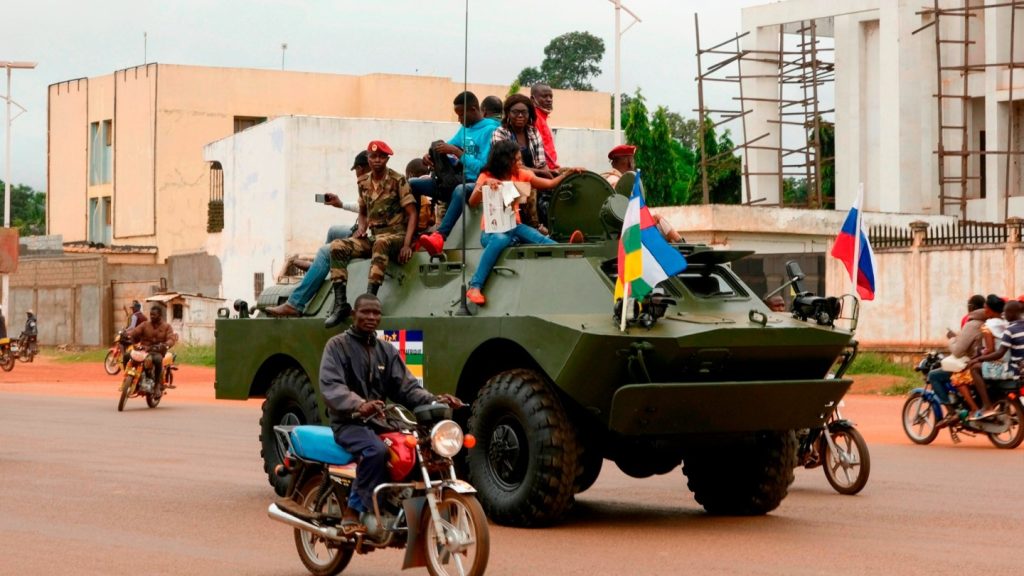
Russia’s persistent efforts to assert itself in the African market reveal a complex tapestry of trade dynamics influenced by geopolitical, economic, and competitive factors. Despite increased attempts to deepen trade relations and investments, Russia remains a minor player within the continent’s expanding commercial landscape. The interplay of external sanctions, internal market challenges, and fierce competition from other global actors has constrained Russia’s ability to establish a dominant presence. This ongoing struggle underscores the difficulties experienced by nations trying to shift market influence amid evolving global trade patterns. Analyzing the current situation sheds light on the broader implications of how geopolitical factors intertwine with market competition and investment challenges in shaping the future of international trade.
In Brief: Russia’s endeavors to boost its role in Africa remain hindered by multifaceted challenges, keeping it relegated to a minor player status. The nation’s trade surplus, while once substantial, has declined due to intensifying sanctions and global shifts. Its investment strategies, particularly in fisheries and natural resources, face stiff competition from more established powers. Geopolitical tensions and regulatory restrictions further complicate trade relations, weakening Russia’s market influence. Meanwhile, emerging partnerships and market dynamics favor other countries, creating an increasingly difficult environment for Russia to expand its footprint.
Trade Dynamics Shaping Russia’s Position in the African Market
Russia’s attempts to capitalize on Africa’s booming trade environment have consistently encountered significant headwinds. The complex trade dynamics surrounding Russia’s engagement reveal that economic struggles are not merely surface level but embedded in structural and geopolitical realities. Unlike previous decades where Russia had stronger footholds, the latest data show Russia’s trade surplus narrowing sharply, reflecting diminishing export capabilities and market share losses.
One of the core issues involves the persistence of extensive Western sanctions, which have restricted Russia’s access to technology and capital needed for sustainable expansion. The restrictions compel Russian exporters to pivot toward other emerging markets, yet Africa’s diverse and rapidly developing economies require more nuanced investment strategies to successfully compete. Moreover, Russia’s failure to consistently honor trade preference promises has damaged trust in its long-term commitment to African partners.
In the broader context, the geopolitical tensions stemming from the Ukraine conflict exacerbate Russia’s economic isolation, contributing to instability in trade relations. This isolation contrasts sharply with the vigorous engagement of other global actors, particularly China and the European Union, who have deepened their economic ties with Africa through advanced cooperation mechanisms and extensive trade incentives.
Market Influence and Investment Challenges in a Competitive Landscape
Despite aspirations to expand its market influence, Russia confronts significant investment challenges that hamper sustainable growth in Africa. The competition from other well-established players who offer more attractive trade incentives, logistical infrastructure, and political stability limits Russia’s appeal as a reliable trade partner. Countries engaged in strengthening bilateral economic coordination with African nations have generated more robust investment flows, leaving Russia to vie for fragmented opportunities.
Furthermore, the complexities of navigating Africa’s diverse regulatory environments create additional hurdles. Russian enterprises often face difficulties adapting to local business practices and regulatory frameworks, which are crucial for maintaining competitive positioning in sectors like natural resources and fisheries. Notably, Russia’s expanding ties in fisheries, although ambitious, have yet to translate into widespread market leverage compared to rivals who invest heavily in capacity-building and community integration.
Investors reliant on stable trade environments and clear regulatory support tend to prefer markets where risks like political interference and sanction repercussions are minimized. In Russia’s case, the layering of sanctions-driven instability with internal economic constraints weakens confidence among African trading partners, perpetuating its minor player status.
Geopolitical Factors Deepening Market Challenges
The intersection of Russia’s economic struggles and geopolitical factors plays a pivotal role in shaping its trade performance in Africa. The persistent global scrutiny and restrictions following its military actions have reshaped market competition and trade relations profoundly. This has spurred a realignment whereby many African countries strategically navigate partnerships to balance relations with Russia and other influential powers.
The evolving geopolitical landscape demands a sophisticated approach to diplomacy and strategic trade relations, which Russia struggles to maintain amid internal and external pressures. The impact of sanctions extends beyond trade volumes to affecting Russia’s ability to participate in technology transfers, finance mechanisms, and international commodity markets crucial for African economies. To understand these layered effects, it is helpful to consider how global commodity market dynamics have responded to geopolitical disruptions, influencing regional fluctuations and national trade policies.
As a result, Russia’s position in Africa is shaped not solely by economic metrics but also by the broader strategic competition involving multiple global stakeholders seeking influence in a rapidly transforming continent.
Strategic Outlook for Russia in the African Trade Arena
Looking ahead, the capacity for Russia to alter its status from a minor player demands a recalibration of its trade and investment strategies. Embracing more flexible, locally attuned policies and improving transparency could bolster trust and partnerships. Additionally, leveraging technological innovations while mitigating geopolitical risks is essential to carving out stronger market positions.
Parallel to these efforts, monitoring the evolving frameworks of global trade—including insights into technological trends in trading platforms and shifts in regulatory landscapes—will allow Russia to more effectively adapt and engage. Experience from other trading environments suggests that a combination of strategic patience and agile adaptation to market conditions can yield promising outcomes, even in challenging scenarios.
For market participants and observers alike, Russia’s journey underscores the intricate dance between geopolitical realities, economic resilience, and the fierce competition that defines trade in dynamic regions like Africa today.
