
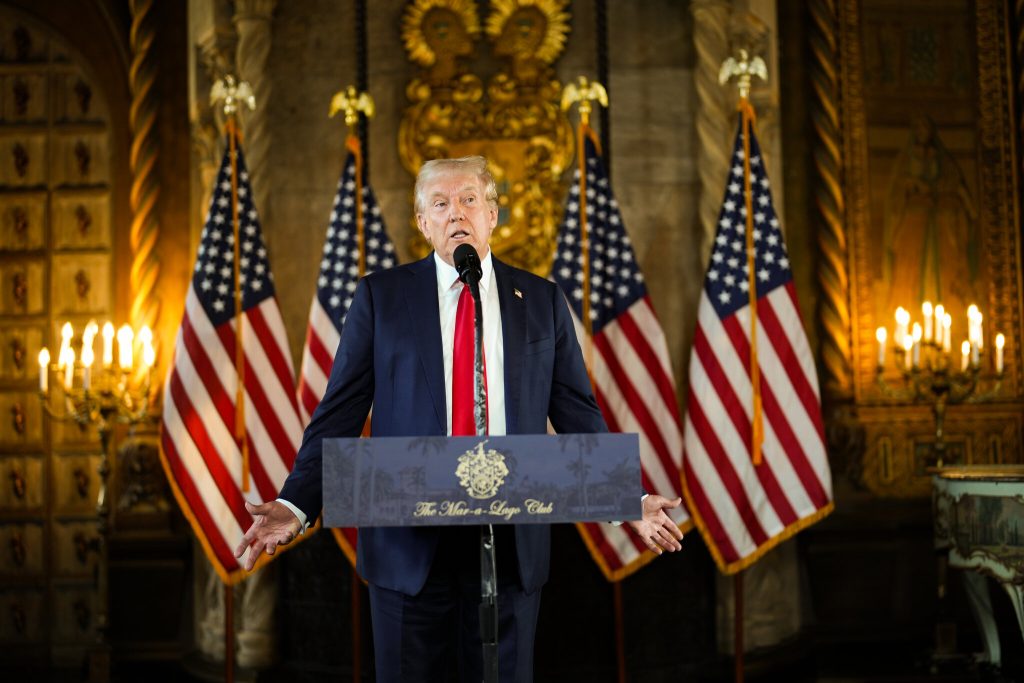
Donald Trump’s negotiation approach, particularly in the political arena, continues to inspire heated debate and analysis in 2026. While his public persona showcases bold threats and high stakes maneuvers, the actual outcomes often reveal a different story — one where initial intimidation tactics dissolve into strategic retreats. As seen in recent events surrounding the Greenland dispute and tariff threats, Trump’s methodology resembles what some have dubbed the “Chicken Strategy,” a high-risk game of brinkmanship where one party pushes extreme demands hoping the other will back down. Yet, the reality often betrays this bravado, exposing the limits of such heavy-handed tactics in complex geopolitical and economic negotiations. This dynamic raises crucial questions on the efficiency of negotiation skills grounded more in pressure and unpredictability than in collaborative conflict resolution and sound game theory.
In brief:
- Trump’s style blends aggressive threats with sudden concessions, provoking mixed outcomes in international negotiations.
- Instances like the Greenland acquisition attempt illustrate a classic « chicken strategy » where bold posturing fails to secure substantive gains.
- The approach strains traditional alliances, leading to complex diplomatic pushbacks from Europe and other actors.
- Analyses rooted in negotiation theories reveal the pitfalls of over-reliance on intimidation rather than mutual gain strategies.
- Understanding Trump’s tactics offers insights vital to mastering negotiation success strategies in today’s multifaceted conflict resolution scenarios.
Analyzing Trump’s Negotiation Tactics Through the Lens of Game Theory and Realpolitik
Donald Trump’s negotiation technique often centers on a volatile mix of power projection and psychological pressure. By setting rigid demands early—often accompanied by threats of tariffs or sanctions—the approach attempts to place the opposing party in a corner, ideally forcing a favorable concession. This resembles the « chicken strategy, » a high-risk gambit where each side tests the other’s resolve, hoping to avoid the “crash” of collapse or loss. However, the actual application frequently reveals the fragility of such tactics. For example, the Greenland episode of 2026 highlighted the limitations of this approach: after loud declarations and strategic public posturing, Trump abruptly abandoned efforts, conceding minimal gains limited to enhanced military presence rather than political control. This encouraged a critical evaluation of whether aggressive tactics truly equate to strong negotiation skills or instead expose vulnerability.
This episode also underlines how negotiating postures that rely heavily on intimidation face increasing challenges from a global arena that favors nuanced conflict resolution mechanisms and collaborative frameworks. Europe’s firm response to U.S. tariff threats illustrates the limits of confrontation-based negotiation, reinforcing the need for balanced strategies that blend assertiveness with partnership, as detailed in Europe’s stand firm against Trump’s tactics. Such insights are essential for anyone seeking to understand or engage in high-stakes negotiations today.

The Impact of « Chicken Strategy » on Diplomatic Relations and Economic Outcomes
The « chicken strategy » carries significant risks beyond the negotiation table, often straining diplomatic ties and weakening long-term cooperation. Trump’s sharp tariff warnings, frequently wielded as economic weapons, tend to provoke backlash from trade partners and allies alike. The gradual erosion of trust resulting from such tactics was evident in multiple instances, including the reluctance of key international stakeholders to engage in sustained dialogue. This trend can be examined deeply in negotiations such as those involving Ukraine and Russia, where persistent brinkmanship risks destabilizing already fragile peace processes, as explored in Ukraine-Russia negotiations.
Moreover, Trump’s approach offers lessons in conflict resolution: effective negotiation demands a blend of resilience, adaptability, and genuine commitment to mutual benefit. Overreliance on intimidation can ultimately backfire, as it did during various trade standoffs and geopolitical disputes. The broader consequences include diminishing the United States’ bargaining power, as allies and rivals alike learn not to capitulate under pressure but rather stand firm, prompting a reevaluation of Trump’s legacy in negotiation theory.
Reassessing Negotiation Skills: Strength, Flexibility, and the Importance of Reality Checks
Successful negotiation is often less about loud declarations and more about strategic patience and the ability to pivot when necessary. Trump’s frequent public displays of assertiveness must be measured against practical outcomes. For instance, the faux pas surrounding imposing tariffs on various partners ended up complicating U.S. economic interests without delivering the promised advantages. This paradox highlights the essential skill of knowing when to raise the stakes and when to de-escalate—a balancing act central to proven conflict resolution frameworks.
Traders and negotiators looking to navigate volatile environments in 2026 can draw valuable lessons from these episodes. The interplay between aggressive tactics and negotiation success strategies, such as those laid out at negotiation success strategies, emphasizes that strength lies not merely in boldness but in measured and informed action. Leaders equipped with this balanced mindset are better positioned to adapt and thrive amid evolving geopolitical and economic landscapes.
The Real-World Costs of Trump’s Negotiation Approach: Beyond the Headlines
While Trump’s high-profile negotiation style often dominates headlines, the tangible benefits for the U.S. have been modest at best. The Greenland scenario, where despite aggressive rhetoric the final outcome was a minimal military presence without territorial acquisition, exemplifies this disconnect between appearance and substantive achievement. In business and politics alike, the lesson emerges clearly: negotiation strategies relying on brinkmanship may secure temporary headline victories but fail to produce durable success.
Innovative conflict resolution methods and enhanced negotiation skills are becoming increasingly important in a multipolar world where power dynamics fluctuate rapidly. Practitioners who rely on collaborative tactics while maintaining credible power balances demonstrate greater long-term success and diplomatic resilience. Understanding these dynamics is crucial for anyone involved in negotiation, conflict resolution, or strategy development today.
For those concerned about financial outcomes under such turbulent negotiation climates, resources exist to help recover lost investments affected by unstable political decisions, as outlined in recovering lost funds from brokers. This underscores how negotiation tactics ripple out far beyond the immediate political sphere, impacting economic stability and individual livelihoods.
