
The criticism surrounding AI Trading has reached a crescendo, embodying a broader skepticism about the role of Artificial Intelligence in financial markets. Despite the technological promise, a significant portion of traders and analysts are vocal about the disillusionment with automated trading algorithms, often citing unmet expectations and a lack of transparency. This backlash coincides with critical developments in the Stock Market and economic indicators, notably the latest US Jobs Report. The nuanced reading of these data points—especially the Unemployment Rate and other critical Economic Data—offers fresh insights on market sentiment and trading behaviors amid the evolving landscape.
While AI’s potential to revolutionize trading by processing vast data sets and executing split-second decisions remains undeniable, the reality has revealed significant gaps between hype and practical results. Traders report that many retail-oriented AI tools are superficial at best, combining marketing buzz with inadequate market understanding. The professional arena, contrastingly, has long employed sophisticated AI models that fine-tune risk management and predict subtle shifts in market dynamics, reinforcing the divide between institutional and retail experiences. Simultaneously, today’s labor market metrics introduce fresh variables that directly influence Market Sentiment and trading algorithms’ effectiveness.
Current Sentiment Toward AI Trading and Its Impact on Modern Stock Market Strategies
The widespread skepticism regarding AI trading isn’t without basis. The apparent underperformance of many automated systems has prompted questions about algorithmic robustness and adaptability. Traders increasingly demand transparency about how AI interprets complex and often contradictory signals from the market. In many cases, Trading Algorithms designed to automate gains have stumbled amid volatile swings and unforeseen economic shocks, exposing their limitations.
Moreover, the integration of AI in retail trading platforms often blurs the line between genuine innovation and marketing gimmicks. Promises of AI triumphs in stock selection and timing frequently fall short because many popular applications use outdated models or oversimplify market mechanics. This gap between expectations and deliverables fuels the current backlash, yet it also underscores the critical need to educate traders about AI’s realistic capabilities and limitations.

The Influence of the US Jobs Report on Trading Algorithms and Market Sentiment
The US Jobs Report remains a pivotal piece of Financial News greatly watched by traders using AI and traditional methods alike. This report sheds light on employment trends, wages, and the Unemployment Rate, all of which profoundly affect Market Sentiment. Algorithms parse these data to adjust risk and asset allocations, with swift market reactions to unexpected figures reflecting sensitivity to economic health.
With labor market dynamics tightening or loosening, AI-driven systems recalibrate their forecasts on asset demand and consumer confidence. For example, a drop in unemployment often signals greater spending power and economic expansion, prompting bullish trading stances. Conversely, rising unemployment can trigger caution, compelling algorithms to lean towards risk aversion. In 2025, this interplay complicates the predictive accuracy of AI, as global economic interdependencies intensify.
Bridging the Gap: From AI Hype to Realistic Application in Trading
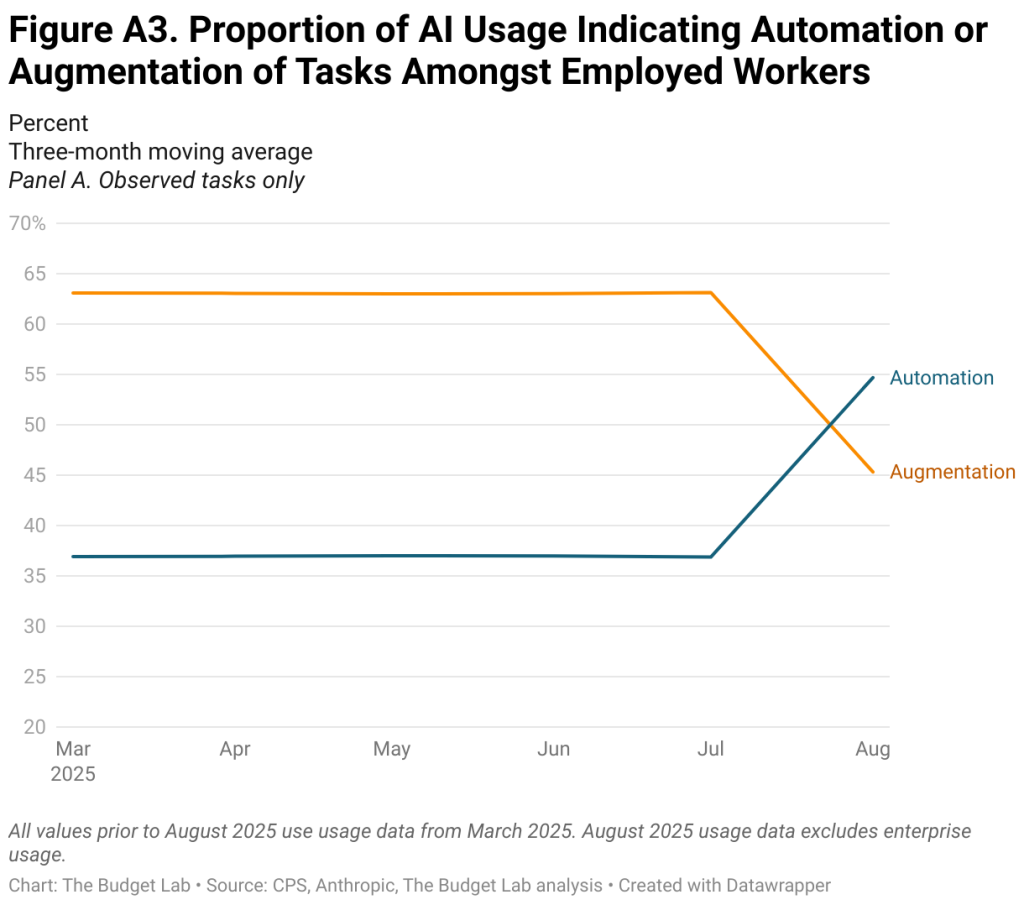
Understanding the dissonance between AI’s potential and its practical shortcomings is essential. Institutional players leverage AI as a psychological monitor and strategic tool rather than an infallible oracle. These systems augment human judgment, identifying patterns invisible to humans while remaining subject to human oversight. This hybrid approach mitigates risks and enhances adaptability, as seen in several firm-level implementations that outperform standalone AI bots.
Meanwhile, retail traders are encouraged to approach AI trading with caution and skepticism. Educational resources on AI revolution in trade and robust broker platforms equipped with clear guidelines on broker fees and commissions can prevent pitfalls. From understanding negative balance protection to optimizing trading accounts, a knowledgeable trader is better positioned to navigate the AI-driven landscape. As such, transparency and education become the pillars supporting more informed usage of AI-powered tools.
Leveraging Economic Data and Trading Account Management for Success
Success in this era hinges on balancing AI insights with prudent trading account management. The swift assimilation of Economic Data like employment figures into Trading Algorithms is only part of the equation. Traders must also pay attention to operational aspects such as trading account verification, security measures discussed in trading account security tips, and appropriate leverage strategies detailed in forex account leverage.
As volatility linked to economic reports persists, the ability to swiftly switch between accounts to adjust strategies—outlined in guides like switch trading accounts—provides critical flexibility. Ultimately, this comprehensive approach combining AI augmentation with solid trading principles supports resilient and adaptive responses to market fluctuations, especially amid evolving conditions signaled by Financial News.
