
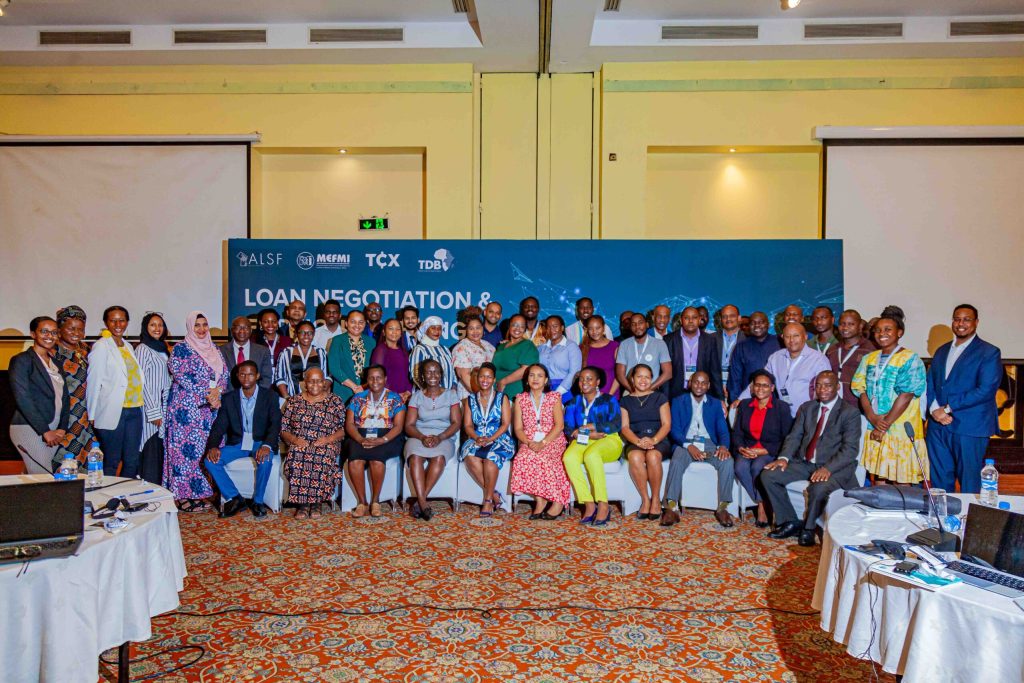
African nations continue to face complex challenges in the management of their abundant natural resources, where the imbalance in negotiation expertise often leads to unfavorable agreements. The African Legal Support Facility (ALSF) emerges as a pivotal institution dedicated to empowering governments through expert legal advisory and capacity building, ensuring sustainable development and equitable investment agreements within the continent.
ALSF’s role transcends traditional support, focusing on leveling the playing field at negotiation tables by equipping public officials with advanced skills to advocate effectively for their countries’ interests. This involvement is crucial in sectors ranging from extractives to infrastructure and sovereign debt, where the stakes involve not only immediate financial outcomes but long-term national prosperity. As Africa advances in 2026, ALSF’s mission remains central to fostering transparent resource management, fair negotiations, and robust governance, which collectively fortify the continent’s position in the global economic landscape.
In brief:
- ALSF provides critical negotiation support that empowers African governments to secure contracts that reflect their true value and potential.
- Fair and equitable negotiations facilitated by the ALSF help address historical imbalances in the natural resources sector.
- Capacity building initiatives strengthen public officials’ expertise, enabling sustainable development strategies.
- Investment agreements shaped with ALSF input lead to transparent and mutually beneficial commercial transactions.
- ALSF’s integrated approach spans natural resources, infrastructure, and sovereign debt, reflecting holistic resource management priorities across Africa.
Ensuring Fair Negotiations in Africa’s Natural Resources Sector
For decades, African countries have grappled with challenges surrounding the exploitation of their natural resources, often characterized by opaque contracts and uneven bargaining power. In response, the African Legal Support Facility (ALSF) provides indispensable legal advisory services, helping states navigate the complexities of international commercial transactions. This expertise is vital for crafting agreements that protect national interests while attracting responsible investments.
Often overshadowed by the legal acumen of multinational corporations, African governments find in ALSF a staunch advocate promoting fair negotiations. The Facility’s involvement reduces risks of underperformance or resource mismanagement by ensuring that contractual frameworks incorporate sustainability and equity.
For example, in negotiations involving mining concessions or oil exploration licenses, ALSF’s legal experts work closely with government teams to scrutinize terms, negotiate improved royalties, and safeguard environmental commitments. These efforts translate into tangible benefits, such as increased revenue streams and enhanced governance of natural resources, which underpin national development plans.
Capacity Building: Strengthening Negotiation Skills for Sustainable Development
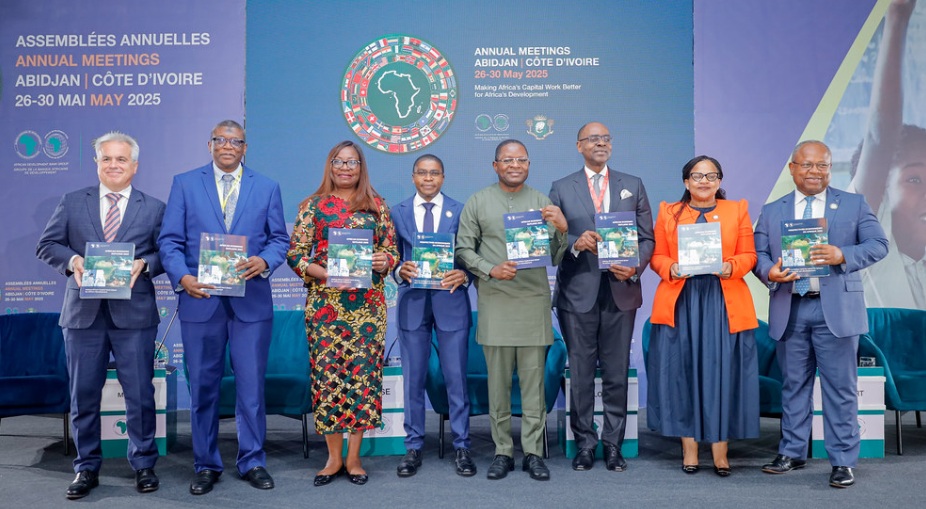
Critical to ALSF’s success is its emphasis on capacity building aimed at enhancing the negotiation skills of public officials responsible for managing natural resource agreements. This strategy addresses the ongoing deficit in specialized expertise within many African ministries, thereby improving the quality and outcome of negotiation processes.
Through tailored training programs and workshops, ALSF equips negotiators with comprehensive knowledge of international legal standards, contract analysis, and strategic bargaining. This approach not only empowers governments domestically but also boosts confidence when engaging with international investors and lenders.
The long-term impact is evident as countries better manage their resource wealth, steering clear of exploitative deals and enabling more sustainable development. For instance, strengthened capabilities have led to successful renegotiation of complex contracts, a process often supported by ALSF’s advisory guidance to ensure viability and fairness.
ALSF’s Role in Promoting Transparent Investment Agreements
Transparency is a cornerstone of good governance and a critical factor in attracting ethical investment within Africa’s natural resources sector. ALSF’s intervention ensures that contracts and agreements adhere to high standards of openness and accountability.
The Facility aids governments in structuring investment deals that clarify obligations, mitigate risks, and articulate clear dispute resolution mechanisms. This transparency contributes to building trust among stakeholders, increasing the likelihood of successful partnerships that benefit all parties involved.
By addressing asymmetries in information and negotiation power, ALSF helps rectify historical challenges where African countries have often been sidelined or disadvantaged. Such corrective measures support fair market practices and promote equitable sharing of benefits from resource exploitation.
Broader Impact on Sovereign Debt and Infrastructure Negotiations
Beyond its mandate in the natural resources domain, ALSF extends its negotiation support to related sectors such as infrastructure and sovereign debt. These areas are inherently interconnected, influencing overall economic stability and development prospects.
Effective management of public-private partnerships (PPP) and sovereign debt negotiations ensures that African governments avoid unsustainable agreements that could hinder national progress. ALSF’s expertise in these complex commercial transactions is vital for crafting frameworks that are both viable and equitable.
This integrated approach strengthens resource management strategies by aligning fiscal responsibility with investment needs, a balance essential for 2026 and beyond. Such comprehensive support aids in sustaining the continent’s growth momentum, making ALSF an indispensable ally in Africa’s economic diplomacy.
For further insights into negotiation strategies and governance, see the analysis on collective bargaining and budget negotiations. Understanding these related negotiations provides a broader context for ALSF’s contributions in Africa’s resource management framework.
