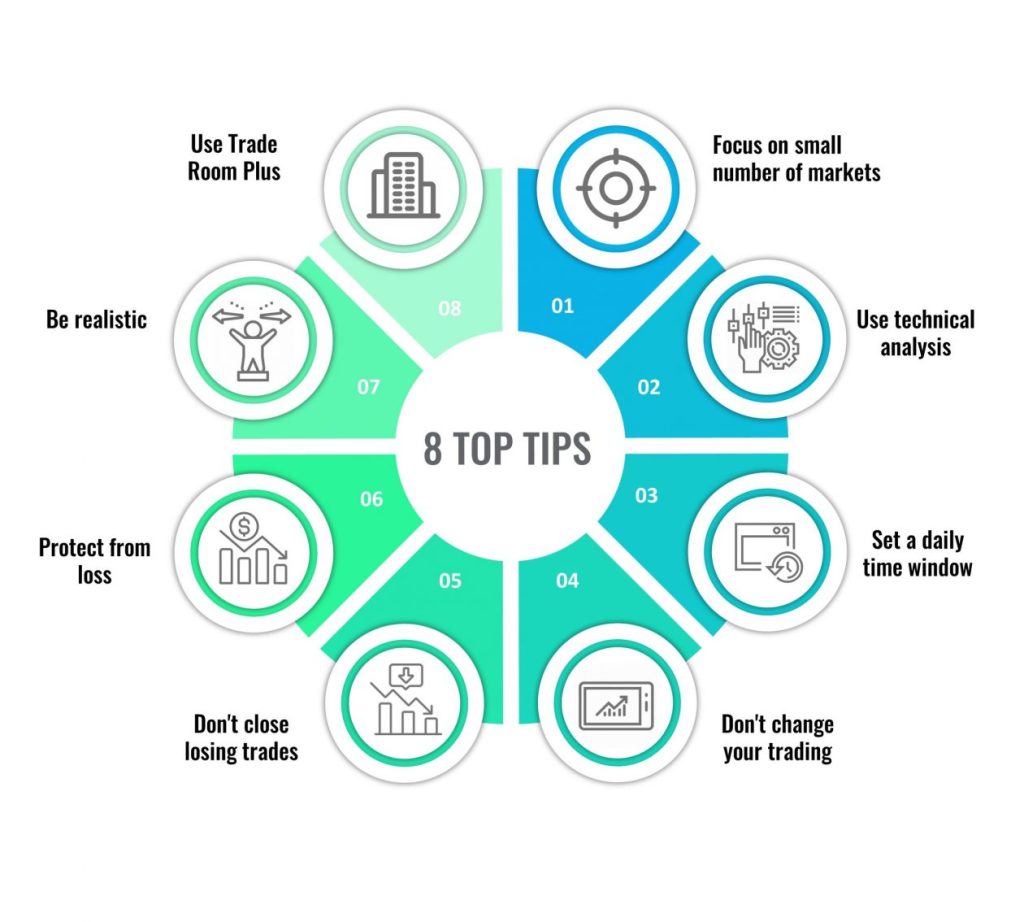
Entering the trading arena demands more than just enthusiasm; it requires a structured approach underpinned by strategic preparation. As markets in 2025 become increasingly volatile and influenced by rapid news cycles, the absence of a thorough checklist before funding a trading account can lead to costly mistakes. For novice traders eager to embark on this journey, establishing a robust framework ensures that capital is allocated wisely and risks are managed effectively, thus laying the foundation for sustainable trading success.
Far beyond simply opening an account, this checklist bridges the gap between ambition and informed practice by highlighting critical steps such as understanding the chosen market, selecting the right broker, mastering risk parameters, and recognizing when to step back. Whether leveraging the services of renowned brokers like TD Ameritrade or Interactive Brokers, the process demands meticulous attention to detail and continuous discipline. Ignoring these essential preparations can expose traders to impulsivity and emotional decision-making that undermine long-term objectives.
Achieving Discipline Through a Professional Trading Checklist Before Funding Your Account
Successful traders consistently rely on a well-defined checklist that anchors their decisions in logic and structured analysis. This arsenal of guidelines filters out impulsive behaviors and eliminates random, emotion-driven trades, stabilizing performance even in turbulent market conditions. Crucial components include thorough examination of your trading account status—such as free margin and open positions—to prevent overextension that might trigger margin calls amid volatile swings.
Equally important is mastering the unique characteristics of your financial instruments, whether stocks, forex pairs, or emerging cryptocurrencies. Each asset class exhibits distinct volatility patterns and sensitivity to market news. Traders who combine fundamental insight with technical indicators, choosing tools like RSI or Bollinger Bands judiciously, equip themselves to confirm trade signals with higher precision. This multi-layered approach is vital to adapt fluidly as markets evolve throughout 2025.
Integrating Risk Management and Market Intelligence Before Committing Funds
A cardinal rule for novices involves adhering to conservative risk levels, often limiting exposure to just 1%–5% of total capital per trade. This strategy safeguards the portfolio against sharp losses, enabling a resilient trading trajectory even when facing an extended losing streak. Understanding and applying effective stop-loss orders, as well as evaluating the risk-to-reward ratio comprehensively by factoring in technical levels alongside macroeconomic data, adds another protective layer.
Staying abreast of economic events via a dependable economic calendar is indispensable. Major announcements—ranging from central bank policies to employment figures—can abruptly pivot market direction, invalidating technical setups if unheeded. Traders intending to avoid such volatility-driven traps often pause trading during these critical news phases to preserve capital integrity.
Choosing Your Broker: Features and Verification Matter Before Funding
Before depositing real funds, scrutinizing the broker’s offerings and onboarding processes is crucial. Platforms such as Charles Schwab, Fidelity, and Robinhood provide tailored services for beginners, including educational resources and demo accounts that foster learning without financial exposure. Utilizing such demo environments not only builds confidence but also allows traders to fine-tune their strategies before facing real market pressure.
Verification and account set-up procedures must also be carefully navigated to ensure smooth funding and compliance with regulatory standards. For instance, brokers like E*TRADE and Webull offer streamlined account switching and support for emerging asset classes, accommodating dynamic traders evolving their portfolios. Ignoring due diligence regarding broker credibility or feature suitability risks both capital and strategic setbacks.
Strategy Validation and Exceptional Circumstances: Know When to Adjust Before Funding
A competent trading checklist never becomes a rigid script but allows room for reasoned exceptions. Market anomalies or breakthroughs may warrant a departure from strict protocols; however, such deviations need thorough documentation and post-trade analysis in the trader’s journal to differentiate sound judgment from emotionally charged errors. This reflective practice ensures that decisions remain accountable and inform long-term refinement of the trading plan.
Before fund allocation, executing a final comprehensive review of trade setups—confirming alignment with entry and exit criteria as well as risk management parameters—avoids careless commitments that can rapidly erode capital gains. Every allocation to a trading account should result from this disciplined verification process, fostering a mindset where patience outweighs impulse and calculated risk overtakes speculation.
Strengthening Your Trading Skillset with Proven Educational Tools and Community Support
To mitigate early pitfalls common among incoming traders, engaging with structured educational programs and supportive communities can accelerate learning curves and emotional mastery. Institutions like Pure Financial Academy emphasize principles such as rule-based systems exemplified by Supply and Demand Trading, which revolve around understanding institutional order flows on specific price zones. Such methodologies resonate well with the need for systematized approaches that a checklist complements.
Furthermore, collective insights within trading groups provide feedback loops and accountability frameworks that sustain discipline during market uncertainty. This communal learning environment, coupled with detailed trade journaling and iterative strategy refinement, molds sustainable trading behaviors that translate into consistent performance and better risk management over time.