
In the dynamic realm of financial markets, swing trading has carved a distinctive niche, strategically positioned between the rapid-fire execution typical of day trading and the long-haul commitment of position trading. This approach hinges on holding trades from several days to a few weeks to harness short-term price momentum. The challenge? Securing the right brokerage partner that understands and supports the unique demands of swing trading. Unlike their day trading counterparts who close positions before the market’s daily closure, swing traders carry trades overnight, sometimes through weekends or even longer, amplifying the importance of factors such as swap fees and platform stability. These nuances considerably influence profitability and risk management. Hence, selecting an ideal broker is not merely about gaining transaction access but about optimizing tools, costs, and reliability tailored to this trading style’s requirements.
Choosing a broker that aligns with the technical and strategic needs of swing traders requires scrutiny of several cornerstone features. First and foremost, swap or overnight fees are critical since these can escalate with prolonged trade holding periods, potentially eroding margins substantially. Platform stability and swift execution also take center stage, as trades must be entered and exited with precision at the crux of market shifts. Additionally, the availability of comprehensive technical analysis tools, including advanced charting and pattern recognition systems, empowers traders to read market signals effectively and act decisively. Beyond costs and functionality, the broker’s regulatory standing and reputation safeguard traders’ investments, ensuring a robust and trustworthy trading environment. Brokers such as Interactive Brokers, TD Ameritrade, and Charles Schwab are often lauded for striking this crucial balance, providing platforms fortified with both innovation and oversight essential for swing trading success.
In brief, the essentials for choosing a swing trading broker include:
– Competitive swap fees minimizing long-term trade carrying costs.
– Robust and stable trading platforms enabling precise order executions despite market volatility.
– Access to sophisticated technical analysis tools supporting nuanced strategy development.
– Regulation and fund security ensuring protection and confidence.
– Diverse asset offerings facilitating strategy diversification across markets.
Why Platform Stability and Execution Speed Define Swing Trading Effectiveness
In swing trading, where holding periods span multiple days, the integrity of the trading platform is paramount. Swift, reliable trade execution can distinguish profit from loss. Unlike scalpers or day traders who might tolerate minuscule latency differences, swing traders depend on precision timing, especially when implementing stop-loss or take-profit orders. An unstable platform prone to glitches or downtime risks missing these critical entry and exit points, leading to diminished returns. Platforms from TradeStation and Fidelity have been recognized for combining high uptime with intuitive interfaces tailored to technical traders, reinforcing why platform stability should never be overlooked.
Integrating Advanced Technical Analysis Tools for Informed Decision-Making
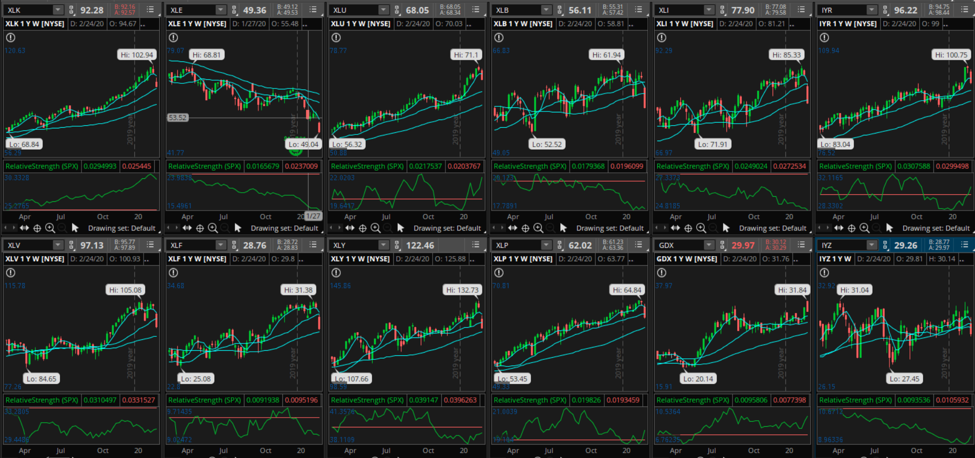
A hallmark of successful swing trading lies in the trader’s ability to interpret market signals and project price movements accurately. This requires access to an arsenal of technical analysis resources—advanced chart patterns, customizable indicators, and real-time data feeds—that brokers must provide seamlessly. Platforms affiliated with Interactive Brokers stand out by offering comprehensive charting and customization options, while Robinhood has expanded its analytical toolkit to appeal to emerging swing traders who balance simplicity with informational depth. These features not only bolster confidence but fine-tune strategic entries and exits, optimizing trade outcomes.
Navigating Fee Structures: The Critical Impact of Swap Fees on Swing Trading Profitability
For traders holding positions over multiple days, the accumulation of swap fees—interest charged for overnight position holding—can significantly impact net profits. High swap fees can quietly erode gains, transforming a well-planned trade into an unviable one. Selecting brokers like Charles Schwab or E*TRADE, known for offering competitive swap rates or swap-free accounts, can substantially lower the cost of carrying trades. Evaluating these fees relative to the assets traded and anticipated holding periods ensures that traders maintain favorable margins while adhering to their swing trading tactics.
The Value of Regulation, Fund Security, and Broker Reputation in Swing Trading
The safety of trading capital is a non-negotiable consideration. Regulatory oversight by agencies such as the SEC or FCA ensures brokers adhere to stringent standards safeguarding client funds and operational transparency. Brokers including Ally Invest and Merrill Edge benefit from high regulatory compliance, providing traders peace of mind amid market fluctuations. Diligently verifying a broker’s regulatory status and client fund segregation practices is indispensable for protecting long-term investments and sustaining trust.
