
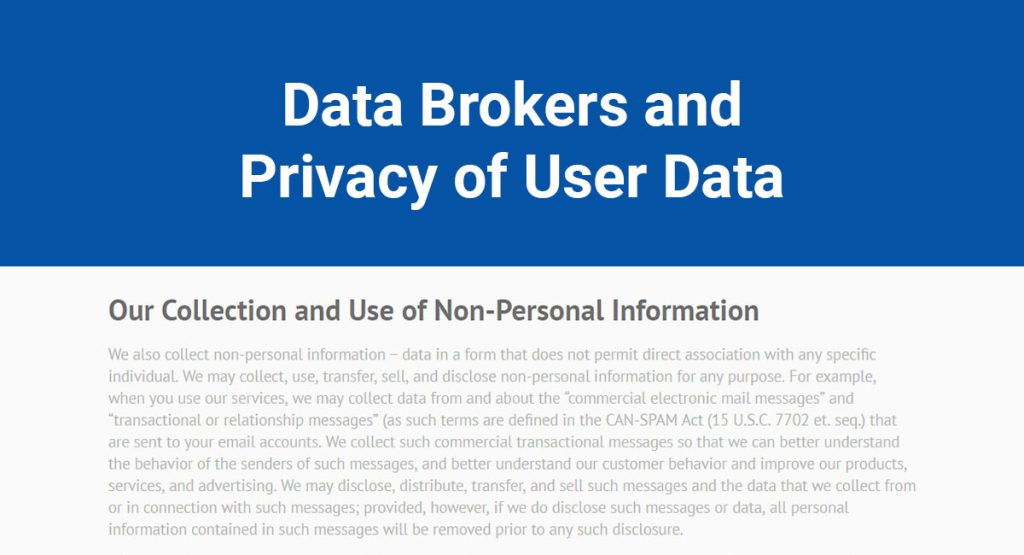
In 2025, as the digital trading landscape evolves, the stewardship of personal data by broker platforms becomes a critical issue that intertwines privacy concerns with financial security. Broker platforms like Interactive Brokers, TD Ameritrade, and Charles Schwab manage an immense trove of sensitive user data—from personal identifiers to financial transactions and behavioral analytics. This wealth of information is not just a byproduct of trading activities but a valuable asset monitored under increasingly stringent privacy regulations. These firms must balance offering personalized, seamless trading experiences with protecting clients from the escalating risks of data breaches, identity theft, and unauthorized data exploitation.
The challenge lies in transparency and control. While consumers benefit from tailored services, they remain largely unaware of how their data travels and who can access it, echoing broader concerns about data brokers’ opaque dealings. The responsibilities placed on broker platforms now extend beyond mere compliance, compelling them to adopt robust security architectures and proactive privacy measures. This includes secure account verification processes, as seen in firms like eToro and Fidelity, which adhere to strict protocols to minimize fraud and misuse.
As privacy-conscious investors lean towards brokers offering clear opt-outs and rigorous data governance, platforms such as Robinhood, IG Group, and Saxo Bank are innovating around consent management and real-time data monitoring. Their commitment is not just a regulatory checkbox but a competitive edge in a market where trust defines success in trading relationships.
Broker Platform Privacy: Navigating the Complex Data Ecology in 2025
Broker platforms are uniquely positioned at the crossroads of finance and technology, entrusted with highly sensitive data ranging from social information to detailed trading histories. Beyond standard data collection, these sites often engage in indirect data sourcing—aggregating information from public records and integrating analytics that infer personal habits without explicit consent. This blurred boundary raises significant ethical and legal questions about user privacy and the extent of informed consent.
Such dynamics intensify when platforms utilize third-party SDKs or partner with data brokers, potentially exposing clients to data flow outside the intended scope. For instance, undisclosed data exchanges with advertising partners can lead to targeted promotions or risk profiling—a concern that brokerages like Plus500 have begun addressing through enhanced transparency and publicly accessible data practices.
The Regulatory Landscape: Broker Platforms Under the Spotlight
Recent enforcement actions illustrate the vigilance surrounding broker data privacy. The U.S. Federal Trade Commission (FTC) has intensified scrutiny of unauthorized data sharing, exemplified by high-profile settlements with firms mishandling location-based consumer data. Concurrently, legislative frameworks such as the Protecting Americans’ Data from Foreign Adversaries Act impose strict prohibitions against sharing sensitive data with certain foreign entities, compelling platforms like E*TRADE to adopt fortified compliance programs.
State regulations add another layer of complexity, with jurisdictions like California mandating comprehensive user rights to data deletion and disclosure. Broker platforms must navigate these multi-tiered requirements, continuously updating their security protocols and privacy policies. Additionally, Europe’s GDPR remains a cornerstone for data processing, mandating explicit consumer notifications and opt-out mechanisms, thereby influencing global broker privacy practices.
Empowering Traders: Practical Privacy Features within Broker Platforms
Top-tier brokers are integrating privacy-enhancing technologies to secure users’ digital assets and personal information. Examples include multi-factor authentication, end-to-end encryption of sensitive data, and constant fraud-detection monitoring. Firms like Fidelity and Saxo Bank emphasize transparency by making security processes accessible and understandable to their clients, resulting in increased user trust and platform loyalty.
Moreover, brokers offer users control tools such as privacy dashboards, where traders can review data-sharing consents and tailor preferences. This is critical in managing personalized advertising and third-party data requests. By doing so, platforms like Robinhood and IG Group meet consumer demands for greater data autonomy while mitigating risks associated with data overexposure.
Building Trust through Compliance and User-Centric Approaches
The competitive edge for broker platforms now hinges on their capability to be champions of data privacy. Adopting user-centric data policies aligns with global consumer trends favoring privacy and transparency. The evolution of account verification processes, as seen with eToro, reduces fraud vulnerability while respecting personal data boundaries.
Educational outreach also plays a crucial role. Platforms that actively inform clients about the nature of data collected, how it is utilized, and methods for opting out foster informed consent. This proactive communication builds resilience against privacy infringements and positions these brokers as trustworthy custodians of trading data.
