

The persistent conflict in Ukraine has once again spotlighted the critical role China envisions for Europe in shaping the future of peace negotiations. As diplomatic discussions evolve, China emphasizes that Europe’s involvement must transcend passive observation to become a dynamic force in mediation efforts. This perspective intertwines with the complexity of international relations, where the balance of power and geopolitical interests often dictate the course and outcome of peace talks. Beijing’s call is rooted in the conviction that the war’s locus on European soil grants the continent not only a pivotal stake but also a responsibility to actively shape conflict resolution strategies. In this intricate web of diplomacy, China’s urging aligns with broader calls for multilateral engagement in attempting to resolve one of the most persistent crises of the decade.
Amid ongoing negotiations, China’s stance carries significant weight. Its support for dialogue and a constructive role reflects not just an interest in stabilizing the region but also a calculated approach in geopolitics where wielding influence in the Ukraine conflict could recalibrate regional power dynamics. Recognizing Europe as a central actor rather than a mere bystander implies a shift towards collaborative peace-building approaches in international relations, enhancing prospects for meaningful mediation and sustained Peace Talks.
China’s Diplomatic Push: Encouraging Europe’s Active Engagement in Ukraine Peace Negotiations
China’s advocacy for Europe’s amplified participation in Ukraine negotiations underscores the nation’s strategic positioning in international diplomacy. By urging Europe to move beyond spectator status, Beijing highlights a need for a comprehensive approach to conflict resolution that integrates diverse stakeholders. This proposal not only reflects China’s interest in fostering stability but also challenges Europe to assert itself within the global geopolitics framework more decisively.
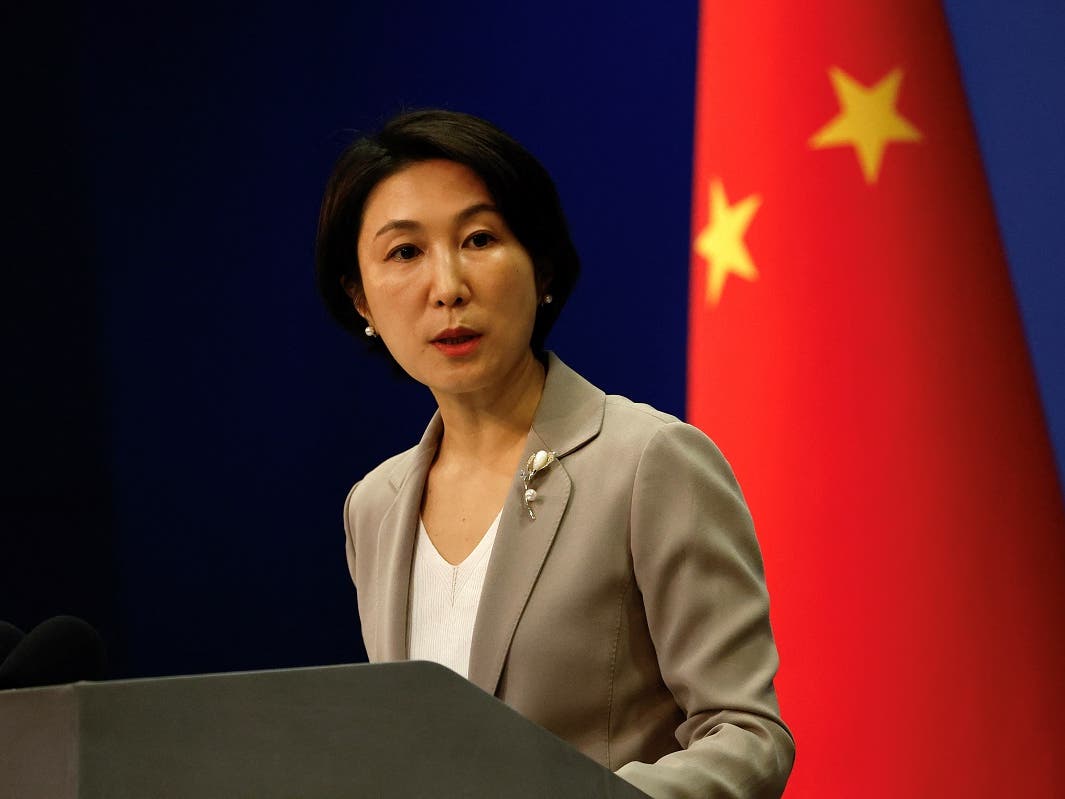
The insistence on Europe’s involvement also acknowledges the continent’s proximity to the conflict, which inherently ties Europe’s economic, social, and security interests to the conflict’s outcome. Moreover, China’s call is a strategic message to Western powers, promoting a multipolar dialogue landscape where no single bloc dominates the peace process. Such a posture may encourage renewed momentum in the stalled negotiations, blending China’s diplomatic clout with active European participation.
The Geopolitical Implications of China’s Role in Ukraine Peace Talks
China’s involvement extends beyond mere mediation; it functions as a catalyst reshaping the power equilibrium between Russia, Ukraine, and Europe. By promoting a framework where Europe is an active participant, China attempts to legitimize its proposals and strengthen Russia’s negotiating position while nudging Europe toward a more cooperative and less confrontational role. This nuanced stance complicates traditional alliances and presents fresh challenges and opportunities within international relations.
The strategic implications resonate with analysts who link China’s support to broader efforts in trade and global diplomacy, akin to ongoing trade negotiations between the EU and India, reflecting an intricate balance of diplomacy and economic interests. The evolving landscape necessitates that Europe reassess its negotiation tactics in crises far beyond Ukraine, navigating carefully between geopolitical objectives and peace imperatives.
Such diplomacy calls for innovative strategies and robust engagement frameworks, notably spotlighted in recent discussions on negotiation success strategies, which emphasize the critical nature of inclusive multilateral approaches. China’s proposal intersects with a larger, complex dialogue about how global powers can balance strategic interests with the urgent need for conflict resolution.
Europe’s Opportunity and Challenge in the New Diplomatic Landscape
The call from China puts Europe at a crossroads. It challenges European leaders to transition from observers to proactive mediators in the Ukraine conflict. Doing so would not only align with the stated interests of reducing conflict on the continent but also enable Europe to reshape its role in the geopolitics that increasingly define 2026’s international order.
However, Europe’s engagement is laden with risks and demands careful policy calibration. The delicate balance involves addressing the Kremlin’s strategies in Ukraine while managing internal divisions and the broader strategic rivalry involving China and the United States. This complexity surfaces fears about becoming entangled in proxy disputes or inadvertently supporting one power over another.
From Diplomatic Support to Tangible Action: What Europe Can Do
Robust involvement could range from facilitating dialogue platforms to co-developing frameworks inclusive of Ukrainian and Russian participation. Europe’s constructive engagement, coupled with China’s urging, may accelerate progress toward peace, preventing the conflict from dragging into protracted instability. Practical steps might include leveraging established diplomatic expertise and political will, as seen in other high-stakes negotiations like peace talks involving Ukraine and Putin.
With Europe’s deep economic ties and security concerns inextricably linked to the conflict’s trajectory, the continent’s active diplomacy is essential not only for regional stability but also for the legitimacy of the entire peace process. China’s perspective frames this involvement as both a diplomatic necessity and an opportunity for Europe to assert itself more confidently on the world stage.
