
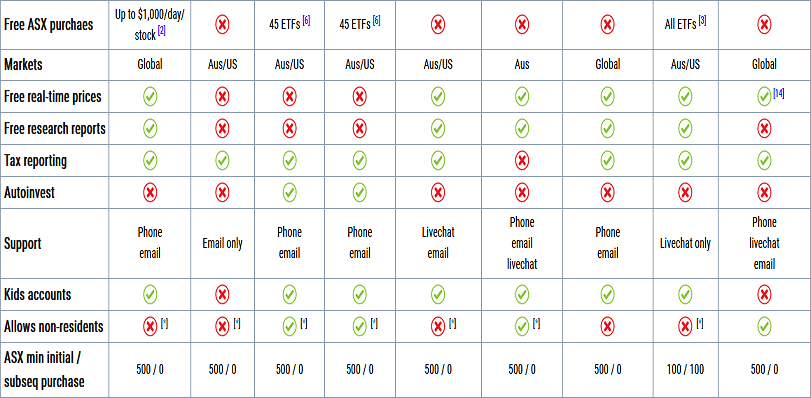
In the current investment landscape, the sheer number of broker account offerings can overwhelm even the most seasoned investors. Each platform vies for attention by promoting its unique blend of features, fees, and user experiences. Navigating these waters demands a discerning eye to ensure that the chosen broker aligns not only with an investor’s financial goals but also with their preferred trading style and need for support. From commission-free trades offered by giants like Charles Schwab and Fidelity to the social trading allure of eToro, the options abound—but so do the differences. Understanding the nuances behind account minimums, trading tools, and advisory services turns the selection process from a gamble into a strategy. This is where a meticulous checklist serves as an indispensable tool, guiding investors to compare and contrast broker account offers beyond superficial appeal, focusing instead on long-term value and security.
Key takeaways for smarter broker comparison:
Assess fee structures critically to avoid hidden costs that can erode gains.
Examine trading platforms and mobile apps to match with your trading habits.
Consider the breadth of investment products including stocks, ETFs, options, and emerging assets like cryptocurrency.
Evaluate educational resources and advisory access for sustained investor growth.
Prioritize robust customer support and security protocols to safeguard investments.
These points are crucial when juxtaposing brokers like Fidelity and Charles Schwab, whose reputations rest on these pillars.
Understanding the Core Factors in Broker Account Comparisons for 2025
Choosing the right brokerage account remains an intricate task, largely due to the evolving nature of financial markets and trading technology. While commission-free trades have become a standard among leading brokers such as Interactive Brokers and Robinhood, the game extends beyond merely avoiding fees. The diversity of available investment instruments—from fractional shares to futures—requires investors to scrutinize platforms for their specific offerings. Not all brokers cater to every strategy; for example, some excel with active day traders, while others focus on long-term portfolio growth.
Moreover, the integration of educational materials and research plays a pivotal role. Firms like Fidelity and Charles Schwab invest heavily in providing market analysis, tutorials, and simulated trading environments that empower investors to sharpen skills before risking capital. Alongside such resources, advisory services, either human or robo-advisory, influence an investor’s ability to tailor their investment approach in alignment with personal goals and market conditions.
Trading Platforms and Mobile Accessibility: The Technology Behind Trading Decisions
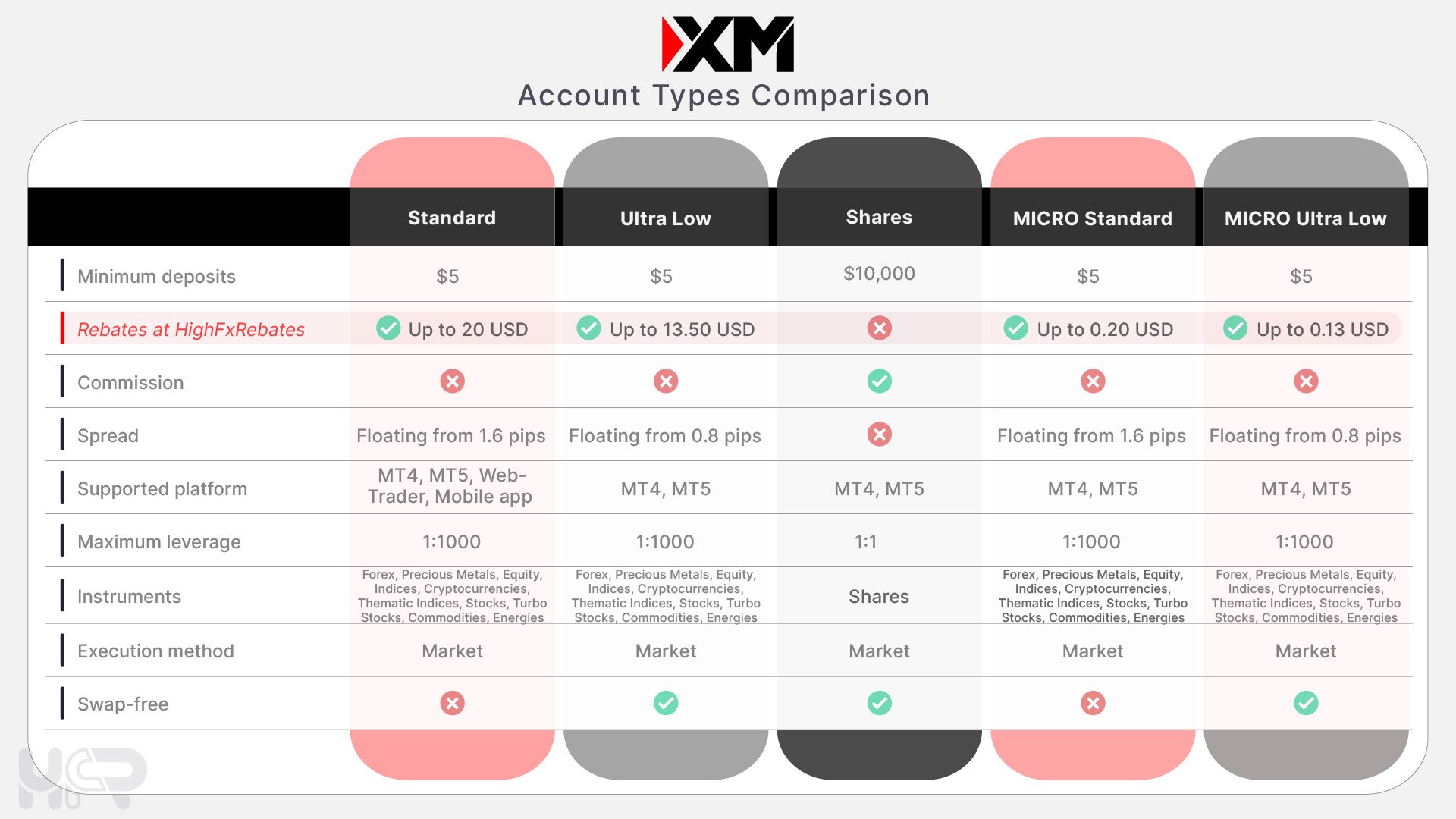
In an era defined by immediacy, the quality and versatility of a broker’s trading platform can make or break the investor experience. Platforms such as thinkorswim by Charles Schwab, Webull’s intuitive apps, and Interactive Brokers’ Trader Workstation cater to different levels of expertise and need for customization. Investors looking to compare these technological assets should investigate not only the ease of placing trades but also the availability of advanced charting tools, technical indicators, and the robustness of mobile applications.
Reliability and speed during market volatility are equally critical, particularly for active and day traders. Platforms must ensure uninterrupted access and offer extended trading hours, which some brokers like Webull provide. Finally, seamless integration with mobile technology ensures investors can capitalize on market opportunities anytime, anywhere.
Examining Fee Structures and Commission Policies: Hidden Costs Versus Transparency
While many brokers boast zero commissions on standard trades, the fine print often reveals fees that impact profitability. Transaction costs related to options contracts, mutual funds, or over-the-counter equities can differ substantially between providers like E*TRADE and Ally Invest. Investors must dig deeply into these charges to identify the true cost of investing.
Account maintenance fees, inactivity penalties, and withdrawal charges are additional aspects that influence overall expenses. Several brokers—including Fidelity and Charles Schwab—stand out for offering minimal to no such fees, representing a significant advantage for both casual investors and active traders.
Investment Product Diversity and Asset Protection in Broker Comparisons
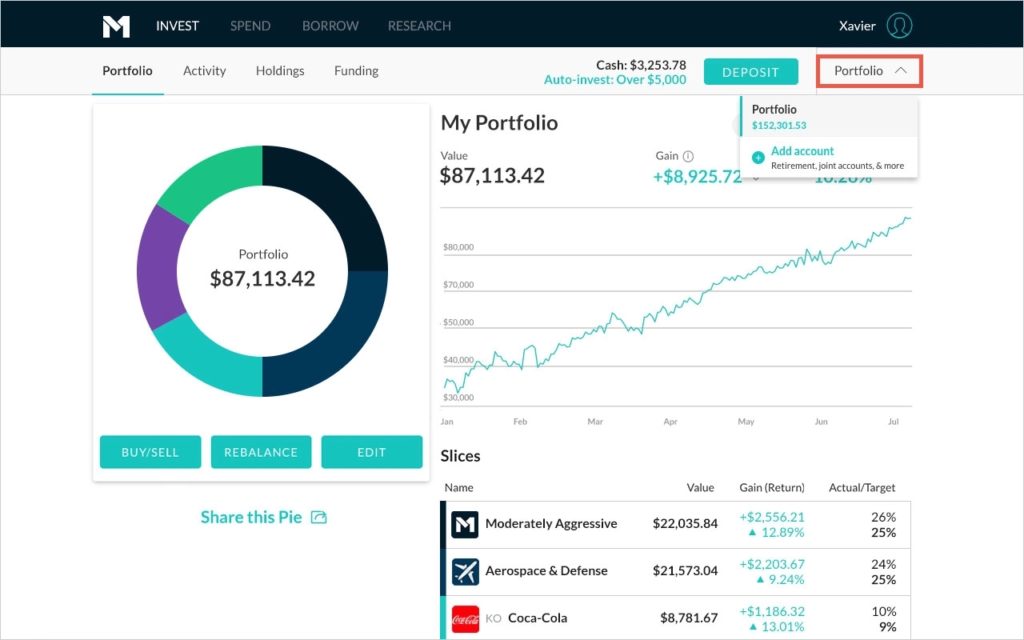
Investors often prioritize the range of asset classes available within a brokerage account. A broad spectrum—from traditional stocks and ETFs to options and cryptocurrencies—provides flexibility and diversification opportunities. Not all brokers support every product; for instance, Merrill Edge offers comprehensive advisory services but restricts access to crypto and futures, whereas eToro shines in social investing and crypto exposure.
Furthermore, investors should assess the security measures brokers have in place. Firms like Charles Schwab and Interactive Brokers not only offer insurance protections but also boast rigorous cybersecurity protocols, safeguarding assets against both market risk and cyber threats. This layer of protection is paramount to maintaining investor confidence in an increasingly digital trading environment.
