
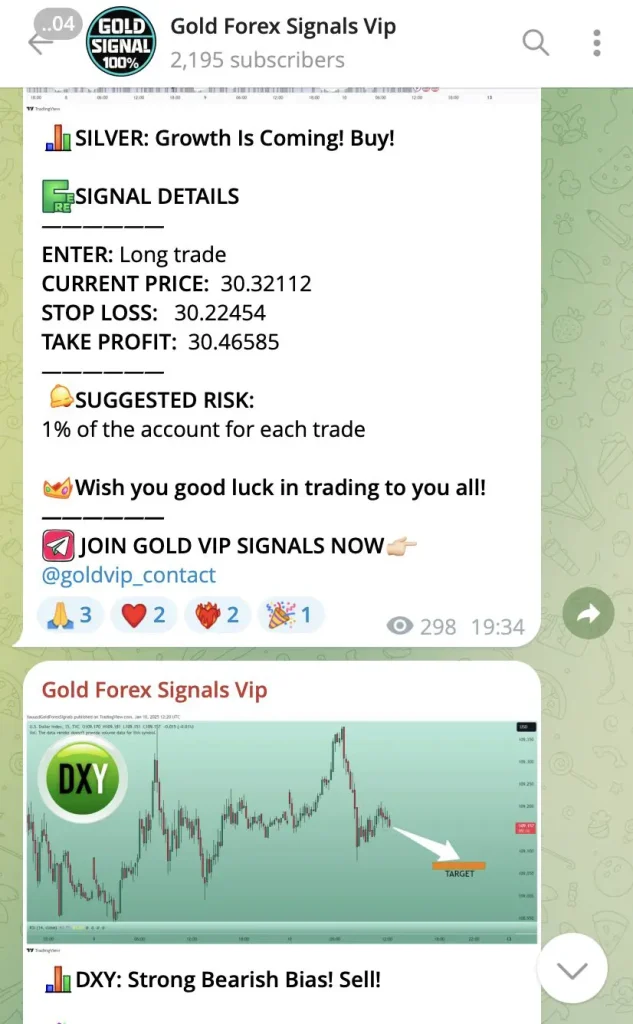
In the ever-evolving landscape of forex trading, the surge in demand for reliable forex trading signals marks a vital trend among traders aiming to optimize their entry and exit points in the currency markets. Traders vary widely in expertise and trading methodology, yet many are unified by the challenge of timely market analysis. Forex signal providers serve as essential intermediaries, delivering meticulously analyzed trading suggestions that aim to tip the balance in favor of profitable decisions. In 2025, these services have matured significantly, integrating sophisticated algorithms and seasoned human insights to cater to a broad spectrum of trading styles and risk appetites.
The selection of a robust forex signal provider hinges on several key attributes, chief among them being historical win rates, accuracy, frequency of signals, and transparency in performance reporting. This article delves into an expert assessment of leading providers in the market, such as Learn2Trade, PriceAction Ltd, and ForeSignal.com, alongside the MetaTrader marketplace MQL5, presenting their distinctive characteristics and offerings. Notably, platforms like Learn2Trade leverage a combination of algorithmic and human analyses, providing a balanced approach that has resulted in an impressive win rate of 76%. In contrast, PriceAction Ltd targets high precision in active trading sessions with reported accuracies exceeding 90%, though at a steeper price point.
The burgeoning popularity of multi-asset services like Signal Skyline and WOLFX Signals reflects a broader trend where forex signals integrate with commodity, indices, stocks, and cryptocurrencies to offer comprehensive market coverage. Meanwhile, marketplaces such as MQL5 empower traders with a choice among thousands of signal providers, balancing variety with the necessity of due diligence. This flexibility extends to platforms supported by major brokers like FXCM, Pepperstone, and IG, which provide seamless integration of signals and execution.
Key takeaways: Top forex signal providers in 2025 emphasize a blend of high win rates and comprehensive signal details, supporting automated and manual trading. Providers like Learn2Trade deliver numerous daily actionable alerts that include precise stop-loss and take-profit levels, fostering disciplined risk management. PriceAction Ltd offers a specialist edge during main trading sessions, although limited in session coverage. Free signal services, such as ForeSignal.com, democratize access but may come with delays or limited analytics. Marketplaces like MQL5 prioritize transparency and user choice but require a more hands-on approach. Optimal trading platforms that complement signal reception are critical, with many traders favoring brokers with low minimum deposits and strong regulatory standing for efficiency and reliability. Finally, adopting sound bankroll management—risking no more than 1% per trade—remains essential to translate signals into consistent trading success.
Evaluating the Reliability and Performance of Forex Trading Signals from Brokers
Forex trading signals are now indispensable tools that underpin decision-making processes for many traders, streamlining what was once a painstaking and time-consuming market analysis. In light of the trading ecosystem’s complexity, signal providers offer clarity by issuing alerts imbued with exact pairing trades, stop-losses, take-profit targets, and suggested order types. The sophistication of these signals depends largely on the provider’s methodology—ranging from human expert analyses leveraging technical and fundamental factors, to automated algorithmic systems that scan vast data sets continuously.
Providers affiliated with renowned brokers like IG and Forex.com ensure integration with trusted trading infrastructures, which enhances execution efficiency and transparency. Meanwhile, platforms like XM and eToro offer access to signals with straightforward account setups tailored for novices.
Win Rate, Signal Frequency, and Pricing Strategies
A central metric in evaluating forex signal services is the win rate, which reflects the percentage of profitable signals delivered. For instance, Learn2Trade boasts a 76% historical win rate and provides up to 15 signals daily for premium users, enabling frequent engagement with the markets. Conversely, PriceAction Ltd’s impressive accuracy exceeding 90% supports high-conviction trades during London and New York sessions but offers fewer daily signals, typically between 3 to 8.
Pricing structures vary widely, from free access levels with limitations to premium tiers commanding monthly fees upwards of $100. Providers like ForeSignal.com democratize accessibility by dispensing thousands of free signals per month, though with delayed notifications unless upgraded. On the other hand, marketplaces such as MQL5 incorporate a pay-as-you-go model where costs depend on individual signal providers, generally ranging from $30-$50 per month.
Automated Integration and Ease of Use for Traders
The advent of automated forex trading has empowered signal users to execute trades without manual input, preserving opportunities in the fast-moving forex markets. Platforms tied to MetaTrader 4 and 5, especially MQL5’s marketplace, enable traders to subscribe to trading strategies that automatically place orders in real-time — a functionality embraced by brokers like Tickmill and AvaTrade. This automation reduces errors and latency compared to manual order execution, crucial in volatile scenarios.
Seamless signal delivery through instant messaging applications such as Telegram remains the industry standard, with most providers maintaining highly active Telegram groups that notify subscribers immediately upon new signal generation. This real-time communication is essential in markets where minutes can separate profit from loss.
Leveraging Multi-Asset Signal Providers for Diversified Trading
Diversification is increasingly vital in modern trading philosophy, leading signal providers like Signal Skyline and WOLFX Signals to extend coverage beyond pure forex pairs. Signal Skyline offers access to commodities, indices, and stocks alongside forex, with subscription tiers dictating access breadth. Their premium tiers cater to traders aiming for scalping, intraday, and swing strategies across multiple asset classes.
WOLFX Signals bridges the gap between forex and cryptocurrency alerts, a blend increasingly sought after given the markets’ converging dynamics. This provider’s model accommodates daily signals for both asset classes, facilitating portfolio diversification under a single subscription fee, which unlike standalone crypto or forex services, presents unified risk oversight.
Transparency and Trust through Verified Performance
Verification remains a cornerstone for trust in signal providers, as the market is prone to exaggerated performance claims. Providers linked to platforms like MetaTrader typically offer transparent, real-time data pulled directly from their clients’ performance records, minimizing risk of misrepresentation. This is especially crucial when evaluating average monthly pips gained or loss ratios to gauge realistic expectations.
Some providers supplement transparency with free trials or money-back guarantees, which are advisable pathways to assess signal quality without financial exposure. This approach is complemented by backtesting via demo accounts, emphasizing prudent risk management practices critical to any trading success.
