
In the intricate landscape of financial markets, market volatility stands out as a defining factor, profoundly shaping the performance and strategic approach of brokers worldwide. The erratic fluctuations, often triggered by unpredictable geopolitical events, economic shifts, and technological advancements, generate a complex environment where brokers must navigate challenges while seizing opportunities. For full-service brokers like Interactive Brokers and Charles Schwab, maintaining operational resilience and client confidence during volatile periods is essential. Market volatility influences not only transaction volumes but also the advisory methods brokers employ, driving a continuous evolution in service delivery and risk management protocols. As investors oscillate between caution and aggression, brokers must adapt through tailored communication, technology integration, and diversified investment strategies to safeguard assets and sustain profitability.
En bref:
- Market volatility triggers varied client behaviors, compelling brokers to adjust transaction processes and advisory approaches dynamically.
- Risk mitigation strategies, such as hedging and diversification, become critical tools for full-service brokers navigating turbulent markets.
- Technological advancements in data analytics and algorithmic trading empower brokers to respond rapidly to market shifts.
- Economic indicators often send mixed signals, demanding brokers’ keen interpretation to guide clients effectively.
- Regulatory compliance and robust communication are paramount to preserving trust and operational integrity amid market unrest.
- Broker performance is intricately linked to their adaptability and investment in innovation, positioning them competitively during uncertain times.
How market volatility reshapes the operational landscape of brokers
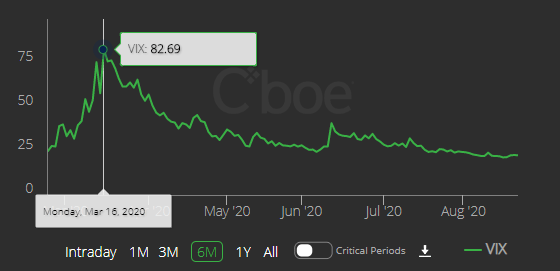
Volatility in financial markets is no longer an occasional occurrence but a constant factor influenced by a mosaic of global uncertainties. This persistent unpredictability compels brokers to intensify their operational capacity. The sudden spikes in trading volumes during volatile periods require brokers like TD Ameritrade and Fidelity to invest in advanced technological infrastructures to manage order execution efficiently and avoid system outages. Real-time monitoring powered by innovative analytical tools ensures brokers can swiftly identify risk spikes and recalibrate portfolios accordingly, directly impacting client satisfaction through minimal delays and enhanced reliability.
Adapting advisory and client communication during turbulent markets
Market fluctuations demand that brokers alter their advisory frameworks. Full-service representatives increasingly prioritize personalized risk assessments and frequent client updates, sometimes shifting toward conservative recommendations to shield portfolios from potential downsides. Brokers affiliated with platforms such as Robinhood and IG Group excel by combining tailored communication with transparent strategies, helping clients navigate the emotional toll of volatility. This customer-centric approach not only buffers apprehension but also enhances adherence to investment strategies amidst uncertainty.
Strategic risk management: hedging and diversification as anchors
To maintain client trust and brokerage stability, deploying sophisticated risk management tactics is indispensable. Brokers lean on hedging techniques such as options contracts and futures to cushion portfolios against sudden downturns. Complementing hedging, diversification practices spread investments across asset classes and geographic regions, reducing vulnerability to sector-specific shocks. Leaders in the industry, such as CMC Markets and Saxo Bank, integrate these strategies with adaptive portfolio rebalancing, adjusting asset allocations to align with evolving market volatility levels.

Investment recommendations recalibrated for dynamic markets
Heightened volatility prompts brokers to reevaluate asset positioning constantly. A measured shift from aggressive equity bets toward reliable income-generating assets like bonds often characterizes this adaptation. Firms respond to market sentiment by emphasizing protective assets — such as gold and high-grade fixed income — and by advising clients to lower concentration risks. These calibrated recommendations reflect a deep understanding of current market signals, maintaining growth potential without exposing portfolios to excessive hazards. The transparency in rationale for these adjustments strengthens client relationships and showcases the broker’s commitment to prudent stewardship.
Overcoming operational challenges and sustaining revenue amid volatility
Full-service brokers face operational hurdles as increased transaction volumes strain infrastructure. Balancing workload spikes while maintaining compliance standards requires robust systems and agile management. Volatility can erode asset bases when clients retreat to conservative postures, thus squeezing fee-based revenues. Brokerage houses like Plus500 employ technological upgrades to sustain seamless trade execution and optimize client engagement. Furthermore, continuous innovation and adherence to evolving regulations safeguard broker reputations, essential for revenue stability in fickle markets.
